the Zip Up Car Tent for Varied Event Locations
Event professionals often face unpredictable environments. A zip up car tent provides a straightforward way to create a sheltered space around vehicles, but not every model fits every scenario. When selecting a zip up car tent, consider where you’ll be setting up most often. Urban events typically mean flat, paved surfaces and limited space, favoring tents with compact frames and easy anchoring systems.
By contrast, outdoor festivals or tailgate parties might take you to uneven terrain or grassy fields, where stability and waterproofing become more critical. Some tents come with adjustable leg heights and additional guy ropes to tackle such conditions. Also, materials matter—lightweight polyester makes transport easy but may not hold up well against strong winds, whereas heavier-duty fabrics offer greater durability but add to setup complexity.
Balancing these factors helps avoid last-minute issues onsite. You want a tent that can quickly zip up around vehicles yet withstand the elements throughout the event.
Addressing Setup Speed and Ease for Tight Event Schedules
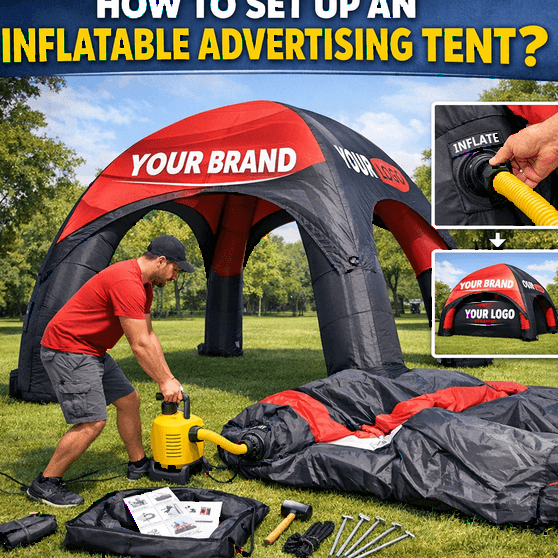
Time is always tight on event days. A zip up car tent’s value depends heavily on how swiftly it can transform from packed gear to a protected space. Models featuring telescoping frames and pull-tab zippers let you move fast, even if your crew is limited or less experienced.
However, some tents sacrifice ease of setup for sturdier construction or larger coverage. For instance, a tent with multiple zip panels offers versatile access but usually takes longer to erect. Smaller tents pack away lighter but might not shield your equipment and staff adequately.
Practical experience shows that the convenience of a quick, tool-free setup often outweighs having all the bells and whistles. Investing in a zip up car tent with intuitive design features reduces manpower needs and minimizes delays during loading and unloading phases.
Managing Storage and Transport Constraints
Storage is frequently overlooked until the gear needs to travel between venues. A zip up car tent can range substantially in weight and folded volume, impacting how efficiently you can fit it into your event vehicles.
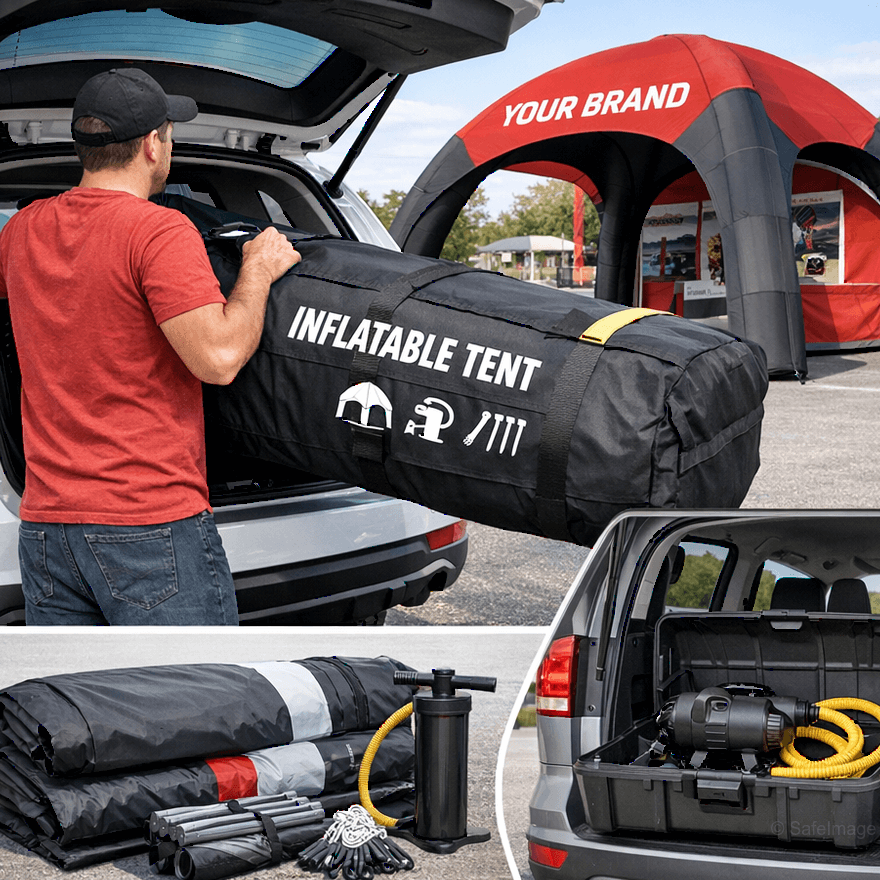
If you regularly attend multi-location shows or pop-up events, compactness will be a decisive factor. Some tents fold into small, cylindrical bags that fit easily into your trunk, while others require larger storage space or even a dedicated transport crate. Heavier frame materials like steel add durability but also bulk, complicating logistics if you have to carry several units.
For buyers handling multiple pieces of equipment, integrating a zip up car tent that balances strength with portability helps avoid overloading vans or trucks and cuts down on unpacking time.
| Key | Product Model |
|---|---|
| 2353 | advertising inflatable tent |
Weather Protection Versus Ventilation: Finding the Right Mix
Providing shelter from sun and rain is the zip up car tent’s primary purpose, but weather considerations can introduce certain trade-offs. Fully enclosed tents can trap heat and humidity, making the interior uncomfortable for long durations, especially during summer events.
Many designs incorporate mesh panels or adjustable zippers to improve airflow without sacrificing protection. Choosing a tent with strategically placed ventilation is critical to prevent condensation buildup and maintain a pleasant environment for brand ambassadors working inside.
On days with gusty wind, fully zipped models offer better resistance compared to partially open designs. Still, extra windproofing features like reinforced corners and stronger anchor points might be necessary for exposed locations.
Assessing typical weather conditions at your most frequent venues and adjusting your tent selection accordingly helps enhance comfort and avoid equipment damage from moisture or overheating.
Customization and Branding Opportunities with Zip Up Car Tents
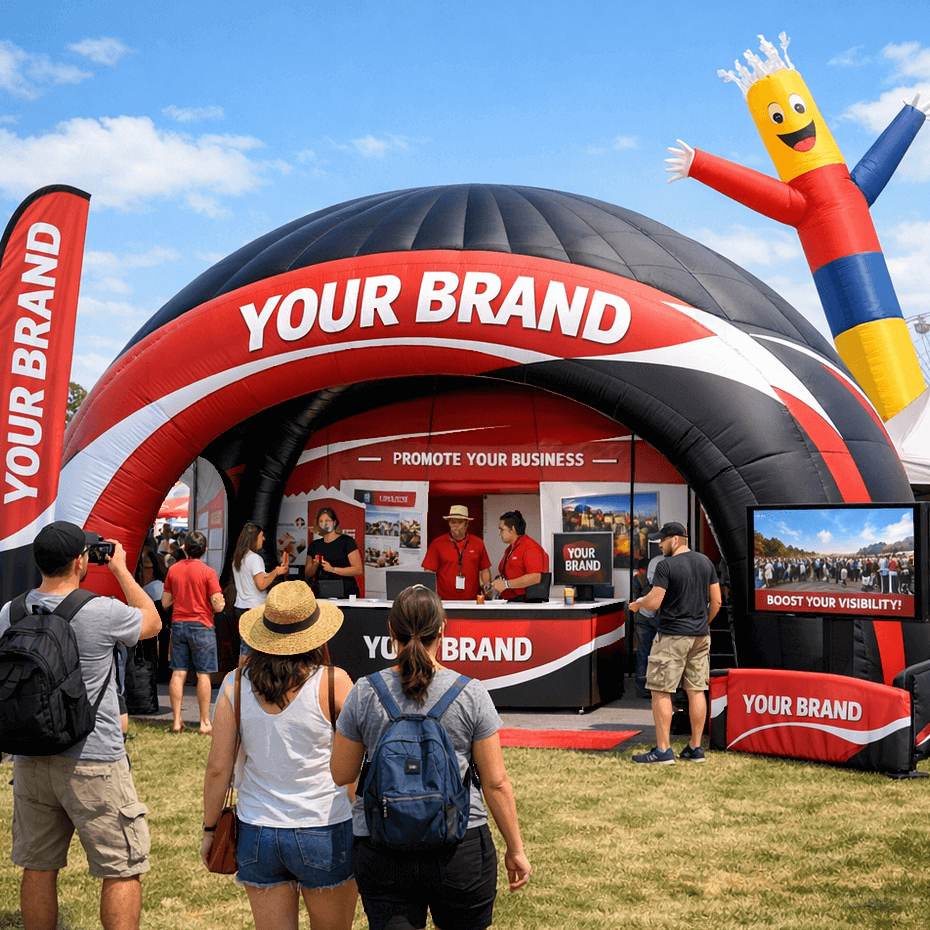
Brand visibility remains a top priority at sponsored events and trade shows. Zip up car tents grant significant branding real estate due to their enclosed walls, but the level of customization you can achieve varies by manufacturer and tent design.
Some tents allow easy application of interchangeable wraps or printed panels that zip in and out. Others require more permanent vinyl printing on the fabric, which can complicate updates or rebranding between campaigns.
Additionally, consider how your graphics will hold up to folding and storage. Repeated packing can crease or fade lower-quality surfaces, diminishing your client’s presentation impact. Practically speaking, investing in a tent structure designed to handle professional-grade signage without damage often pays off in the long run.
Take into account your event calendar and how often you rotate branding when evaluating the ideal zip up car tent for your promotional needs.
Durability and Maintenance: What Keeps a Zip Up Car Tent Going
Event gear goes through tough treatment. The more solid your zip up car tent is built, the better it endures repeated use in varying conditions. Frames made of anodized aluminum resist corrosion, but can bend if mishandled. Steel provides strength but may rust if not stored properly.
Fabric quality also makes a big difference. Water-resistant coatings and abrasion-resistant weaves prevent tears and leaks. Watching for signs of wear like fabric thinning or stuck zippers enables timely repairs before failure onsite.
Maintenance routines like cleaning after muddy setups and drying fully before storage extend life. Pockets, zippers, and seams are common weak points, so replacing these parts can keep tents operational for years.
Understanding these durability factors upfront ensures you choose a zip up car tent that stands up to the demanding pace of professional event work.