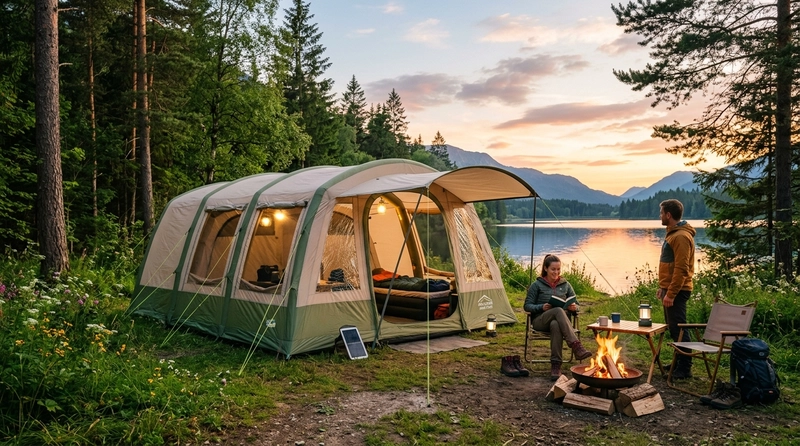
Balancing Portability and Durability in Waterproof Air Tents
Choosing a waterproof air tent for your events often involves weighing how portable the equipment needs to be against its durability under regular use. Inflatable tents are known for being lightweight and quick to set up, which makes them attractive for outdoor trade shows, sports events, and promotional activities. However, not all waterproof air tents hold up equally well after multiple uses, especially under adverse weather conditions.
Checking the quality of the fabric and the sealing techniques is essential. Many affordable options boast waterproof claims, but the water resistance can diminish if seams aren’t properly welded or if the tent fabric lacks adequate coatings. In practice, tents with thicker TPU or PVC coatings tend to last longer and maintain waterproof properties even after frequent folding and transportation. The trade-off is that these materials usually add weight and bulk, which might slow down setup and tear-down times.
If your events are planned in regions known for sudden heavy rain, it’s worth prioritizing waterproofing and structural integrity over extreme portability. Carrying a bit more weight pays off when you avoid water seeping through seams or the tent collapsing under rain-soaked stress.
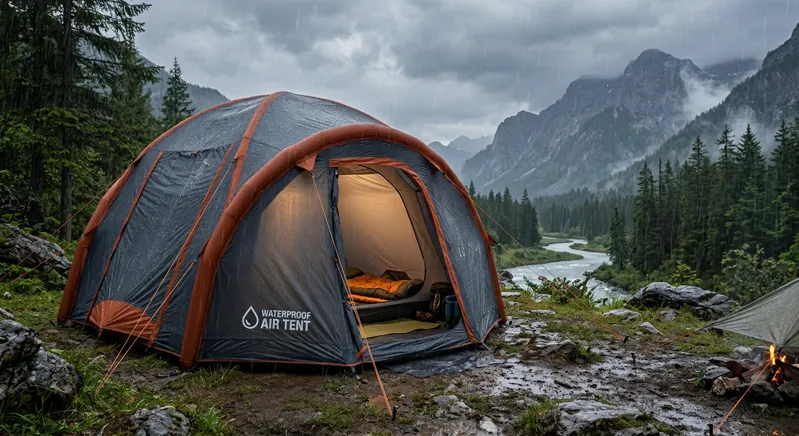
Setup Challenges for Waterproof Air Tents in High Wind Conditions
Inflatable tents are incredibly convenient because they usually require just a single air blower to inflate, eliminating the need for poles and complex rigging. Still, setup isn’t always straightforward. High wind conditions create significant challenges for stability, even if the tent’s material is robustly waterproof.
A waterproof air tent can catch wind like a sail, putting pressure on anchor points and seams. Using the proper anchoring systems—stakes, weighted bags, or sandbags—is non-negotiable. Some models come with reinforced anchor loops designed specifically for tough conditions. Verifying this feature before purchase can save headaches.
Unexpected weather changes mean you might need to deflate and secure the tent quickly. Check how fast the inflation system can reverse and how easy it is to collapse the structure in strong gusts. Sometimes, a heavier tent with higher air pressure resistance offers better peace of mind but can require more time and effort to pack away.
Maintenance and Repair: Extending the Life of Your Waterproof Air Tent
Investing in a waterproof air tent means committing to maintenance routines that prolong its lifespan. Mud, dirt, and debris from outdoor settings can clog air valves and damage seams if left unchecked. It’s practical to schedule a rinse and wipe-down after every event, particularly if the tent is exposed to rain or dust storms.
Seam integrity is critical for waterproofing. Minor punctures or seam loosening are common issues that can be repaired with patch kits provided by most manufacturers. But the key is to identify problems early. Regularly inspecting valve seals and zippers also keeps waterproofing intact.
Consider your cleaning materials carefully. Harsh chemicals or abrasive scrubbing can degrade waterproof coatings faster than normal wear. Use mild soap solutions and soft brushes. That’s an inexpensive way to avoid replacing your tent prematurely, which can be a significant cost for suppliers and event planners alike.
| Ref | Product Model |
|---|---|
| 7232 | car camping tent |
Customization vs. Standard Models: Which Works Best for Your Client’s Needs?
Promotional events often need branding on tents, whether it’s logos, slogans, or eye-catching graphics. Customizing a waterproof air tent can make your client stand out, but it involves trade-offs.
Standard tents come ready to use and stocked in multiple sizes. They generally have tested waterproofing and warranties covering manufacture defects. However, printed customization or special colors might require different fabric batches or coatings. Sometimes, this means longer lead times or inconsistent waterproof performance if the print isn’t compatible with the base material.
On-site branding using removable wraps or banners on a standard waterproof air tent may offer more flexibility for diverse events. It also reduces the risk of damaging the waterproof coating in the printing process. A customized inflatable tent is appealing but can be more costly to maintain or repair, especially if the branding overlaps critical seams or stress points.
Choosing the Right Size and Shape to Maximize Usable Space
Size and form factor impact not just logistics but also customer experience. Choosing a waterproof air tent that provides sufficient usable space for your client’s setup without requiring excessive floor area can be tricky.
Rectangular or dome shapes often maximize floor space and airflow, making the tent feel less cramped. However, certain shapes are more vulnerable to water pooling on the roof, which can stress the fabric and zippers. Ensuring a taut, slightly convex roof reduces these issues.
The actual internal usable space depends on wall height and inflatable frame thickness. Some air tents have thick beams for stability, but they eat into space inside. This is crucial when planning for tables, displays, or seating.
Checking if the tent offers multiple entrances or windows also influences practical ventilation and foot traffic flow. You want a waterproof air tent that balances space, protection from rain, and customer comfort during long event hours.
When Weather Forecasts Don’t Match Reality: Having a Backup Plan
Even the most reliable waterproof air tents can face situations they weren’t designed for—extreme weather events, unexpected location features, or setup errors. Professional buyers and event planners know that having a backup or contingency equipment is essential.
Carrying a smaller pop-up canopy or even traditional pole tents in your event gear can be a lifesaver if your primary inflatable air tent fails or experiences slow leaks. Also consider planning inflatables with manual backup inflation options or repair kits on hand.
If rain is heavy and prolonged beyond expectations, a waterproof air tent might develop condensation inside or require additional drainage solutions. Understanding these practical concerns and preparing accordingly is part of successful event management.
Sometimes the best decision is to avoid pushing a waterproof air tent beyond its tested capabilities and consider alternative shelter options. It’s about smooth operations, customer satisfaction, and preserving your inventory for future events.