Waterproof Car Tent for Different Climates
Selecting a waterproof car tent means more than just looking for something that fits your vehicle. Different climates pose unique challenges, and understanding those is critical before making a purchase. For instance, in regions with heavy rainfall, the waterproof rating of the tent fabric isn’t the only factor you need to consider. Proper rainwater runoff design, seams that are taped or sealed, and well-draining flooring systems all contribute to keeping your gear dry.
On the other hand, if you’re in a humid environment, breathability becomes just as important. A tent material that’s highly waterproof but poorly ventilated can trap moisture inside, leading to condensation buildup and discomfort. In this case, look for a waterproof car tent that incorporates mesh panels or ventilation flaps. Those features encourage airflow without sacrificing weather protection. It’s a balancing act between water resistance and air circulation, and the wrong choice can make a long day of outdoor events or travel more frustrating than it needs to be.
Managing Setup Time and Effort with Waterproof Car Tents
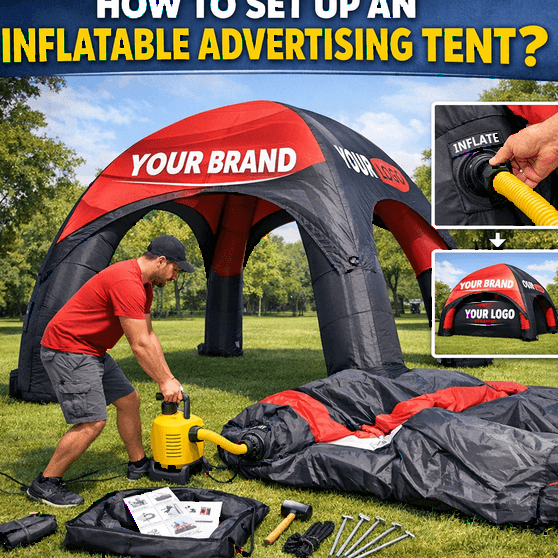
Professional buyers and event planners often have tight schedules. Setting up and taking down a waterproof car tent shouldn’t eat into your valuable time. That means you need to think about how easy a tent is to erect when you’re between appointments or transitioning between venues.
Certain models come with quick-clip or pop-up systems that reduce setup time significantly, which is invaluable when managing multiple client events or outdoor promotions. But these convenience features may occasionally mean heavier materials or slightly less robust pole systems, so it’s worth thinking about trade-offs. A fast setup can be great if you prioritize speed, but make sure the tent won’t buckle in high winds or heavy rainfall.
If your events typically require quick turnarounds, test the setup before purchasing or consider models that allow for modular attachments. Those let you customize the shelter size while keeping the base footprint manageable, adding flexibility to your event planning toolkit.
Considering Portability Versus Durability
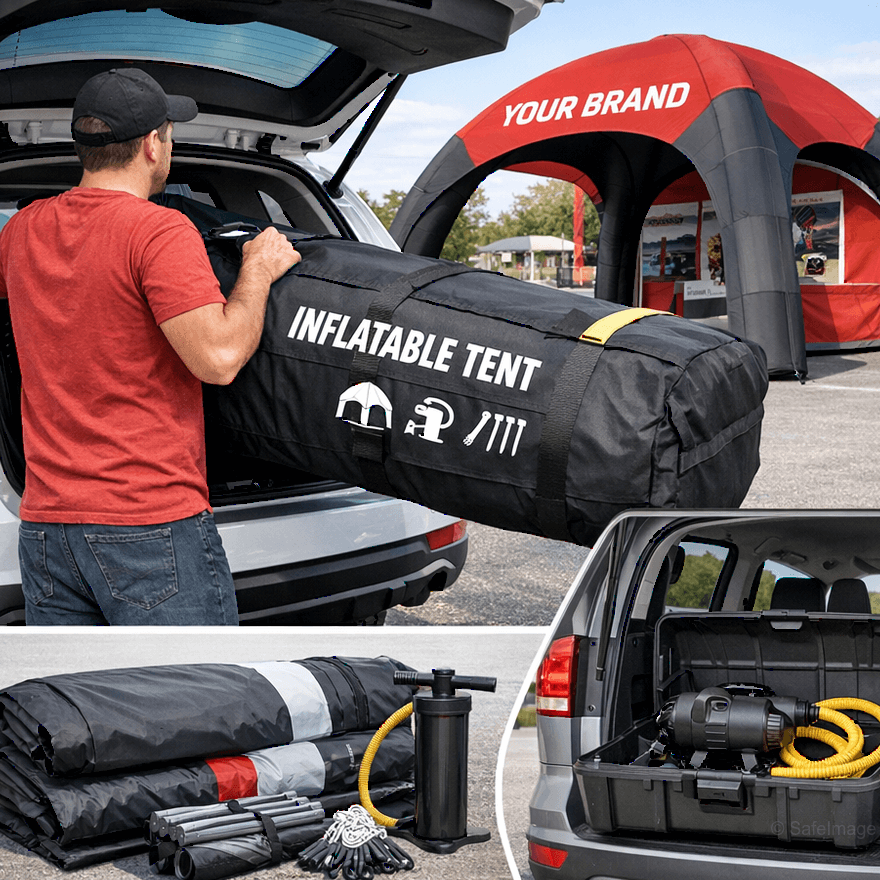
Distributors and event planners know that transporting equipment can be a headache, especially when you’re juggling multiple items. Waterproof car tents come in various sizes and weights, and finding the right balance between portability and durability is key.
Lightweight tents are easier to carry and pack into smaller vehicles, making them appealing for roadshows or pop-up events. However, many ultra-light models sacrifice some structural strength or waterproofing depth to achieve that weight reduction. You might end up with a waterproof car tent that’s fine for drizzle and moderate wind but vulnerable during more severe weather.
Heavier, reinforced tents offer more resilience but can be bulky and require larger storage space. For businesses investing in longer-term events or fixed installations, durability often takes precedence. Look at fabric denier measurements and pole materials to judge robustness—aluminum poles strike a good middle ground between weight and strength, while steel poles are tougher but heavier.
Knowing your logistics and how much effort your team can commit to transporting and managing the gear will help you choose the right model. Sometimes a tent that’s a little heavier but more reliable in rough conditions will save time and headaches in the long run.
| ID | Product Model |
|---|---|
| 6531 | inflatable event tent |
Balancing Space Requirements and Shelter Coverage
Event spaces and promotional venues vary dramatically—from tight urban spots to expansive outdoor fields. The size of your waterproof car tent has to match the demands of your location, but bigger isn’t always better.
A tent that’s too large for the setting can overwhelm the area and complicate installation, while one that’s too small won’t provide enough shelter for people and equipment. If you need to cover multiple vehicles or set up a lounge area beside the car, look for tents designed with side panels or extensions.
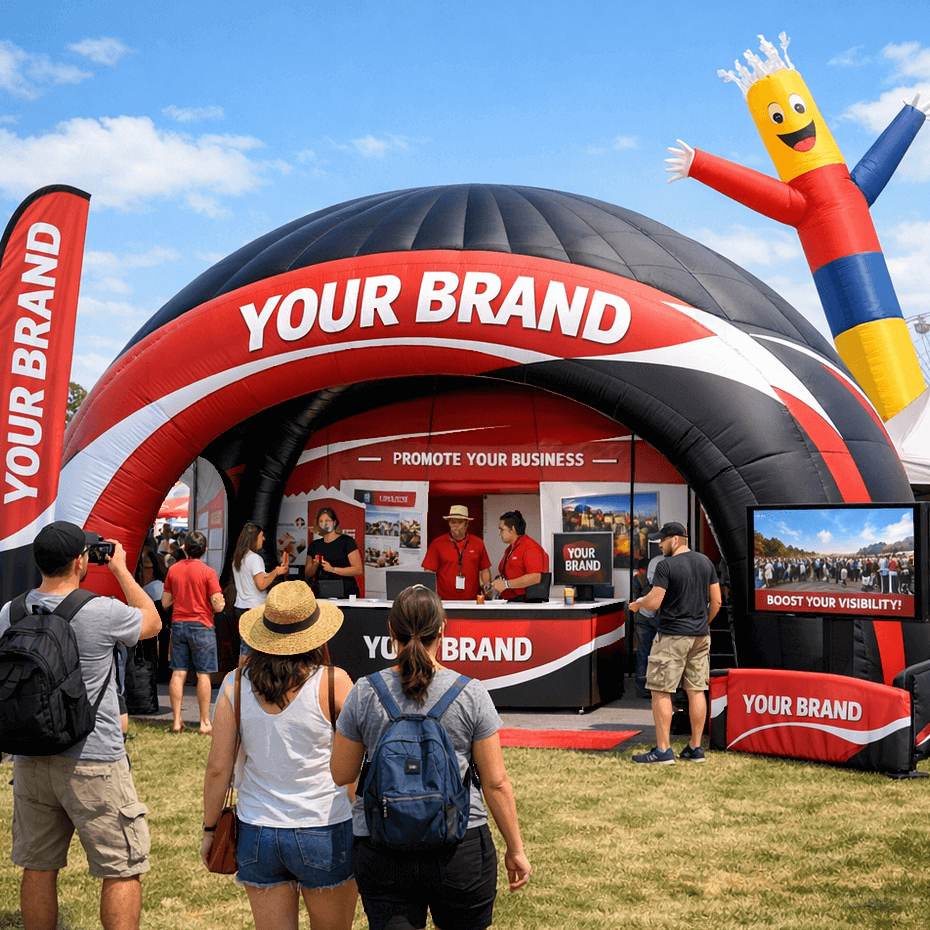
The flexibility to open or close sidewalls also matters for weather control and visibility. Some event planners prefer open canopies to encourage interaction with visitors, but that often reduces protection from wind-driven rain. Consider how much enclosed shelter your event requires and whether visibility to the car or branding on the tent walls is important.
Weight and footprint also need attention for indoor events or settings with limited space, where a tent that’s overly wide or tall may not fit or might become an obstacle during busy shows.
Maintenance Challenges and Lifespan Expectations
A waterproof car tent is an investment, but how long it lasts depends a lot on upkeep and usage patterns. Many professional buyers focus on this aspect because replacing tent equipment frequently isn’t cost-effective.
Dirt and debris can reduce a tent’s water resistance over time if the fabric isn’t cleaned properly. Pay close attention to manufacturer instructions on washing and drying. Using mild soap and avoiding abrasive tools can help preserve the waterproof coating. Abrasion-resistant fabrics might cost more initially but can save money by reducing wear and tear during repeated installations.
Seams are often the first place to show signs of water infiltration. Reinforced and tape-sealed seams improve lifespan but can degrade if folded improperly or if exposed too often to intense sunlight without UV protection.
Store your waterproof car tent in cool, dry conditions to avoid mildew or fabric weakening. Routine inspections before and after events will catch small issues before they become bigger problems—fixing minor tears or resealing seams beforehand can prolong usability.
Keeping all this in mind, you get an honest picture of what you can expect from waterproof car tents in practical terms, which equips you to plan procurement and budgeting in a realistic way.