Inflatable Yoga Tent for Outdoor Classes
Setting up an outdoor yoga class calls for equipment that blends stability, comfort, and easy transport. Inflatable yoga tents fit the bill neatly, but not all models are made equal. Take the size and shape into careful consideration. Smaller tents are easier to carry and set up, often taking only a few minutes, which is great if you’re moving between multiple locations in a single day.
However, a compact inflatable yoga tent might feel cramped for larger classes or those involving more movement. If your sessions tend to have 10 or more participants, opting for a larger tent designed to accommodate multiple mats comfortably is worth the trade-off, even if it requires a slightly bulkier pump or longer inflation time.
Material quality can’t be overlooked. PVC-coated fabrics provide good weather resistance and durability, but in hot climates, these materials may trap heat inside, making midday sessions uncomfortable. Some tents incorporate ventilation flaps or mesh panels; these features are practical for airflow but can also reduce structural rigidity. Balancing these factors depends largely on your typical usage environment and client needs.

Managing Weather Challenges with Inflatable Yoga Tents
Outdoor events are always at the mercy of weather whims. While inflatable yoga tents are promoted as quick shelters against sun and light rain, they have limitations. High winds, for example, can pose a serious challenge. Because these tents rely on internal air pressure rather than rigid frames, gusts can cause them to sway or even collapse if not anchored properly.
The usual anchoring methods include stakes, sandbags, or weighted bases. Each has pros and cons. Stakes work well on grass but are useless on hard surfaces, while sandbags add weight but increase setup time. Weighted bases combined with tent design that includes tie-down points can improve stability, but they also add to the overall transport load.
Rain protection is another aspect often misunderstood. Unless the tent’s canopy is specifically rated for heavy rainfall, water might pool or leak through seams after prolonged showers. Picking an inflatable yoga tent with heat-welded seams rather than just stitched ones can improve water resistance. Also, remember that a tent sheltering 10 or more people needs adequate drainage plans around the area to prevent muddy or slippery floors, which wouldn’t be solved by the tent alone.
| Series | Product Model |
|---|---|
| 1537 | Inflatable Yoga Tent |
Setting Up and Breaking Down: Time and Equipment Considerations
Even if an inflatable yoga tent is marketed as “easy to set up,” the reality depends on the equipment and experience level of the team doing the job. Electric air pumps speed up inflation but require access to power sources, which might not always be available outdoors. Battery-powered pumps offer more versatility but need to be charged and can sometimes struggle with larger tents.
Manual pumps work as a fallback but require physical effort and patience. If you regularly organize events in places without reliable electricity, investing in a quality battery-powered pump and backups may save time and hassle.
Taking down the tent can be as tricky as inflating it, especially when it’s wet or dirty. Moisture inside the tent fabric can lead to mold or mildew during storage. Make sure your team has cleaning and drying procedures in place before packing the tent away. These tents also need to be folded precisely to avoid creases that could damage the internal air chambers over time.
One practical tip is to designate an experienced team member for tent handling. Consistency in setup and teardown methods extends the tent’s usable life considerably, reducing replacement costs and downtime.
Transport and Storage: What to Expect from Inflatable Yoga Tents
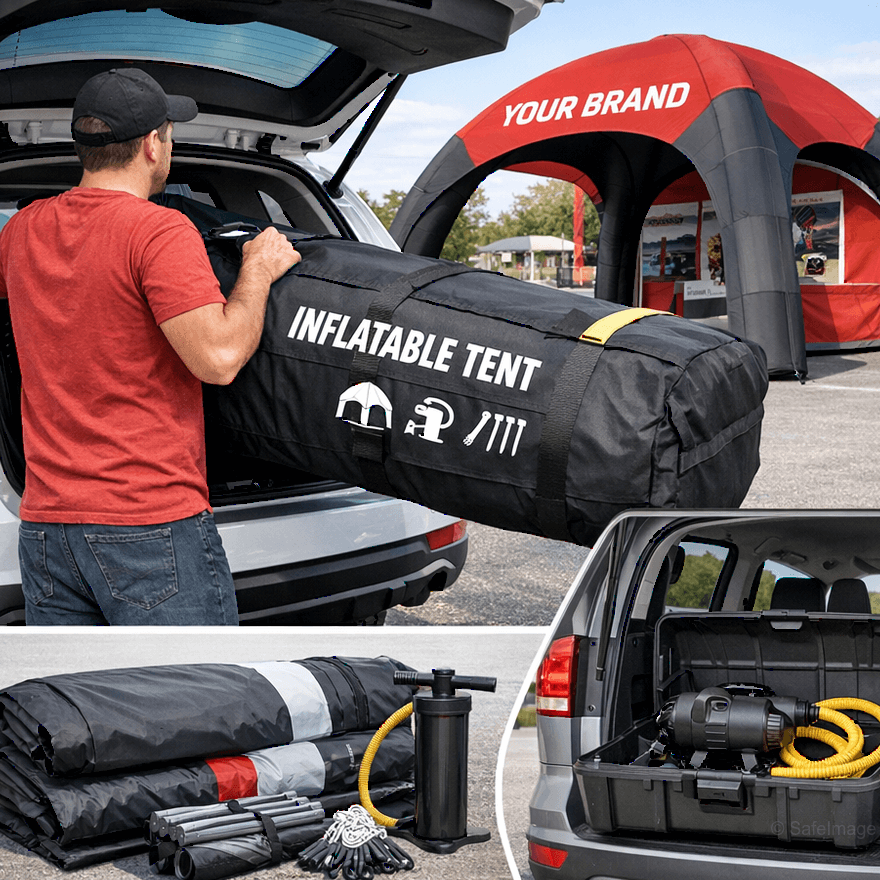
Transporting inflatable yoga tents is generally easier than traditional frame tents, but that simplification has a ceiling. For smaller tents, it’s common for a single person to manage carrying and packing into a duffle or carrying bag. Larger tents go beyond that and often require two or more people, along with dedicated storage space on vehicles.
Bags designed for these tents should be durable and provide some padding to prevent abrasion during transport. Air pumps and repair kits need to be stored alongside, which increases the total volume you need to plan for.
Indoor storage conditions also matter. Inflatable yoga tents that sit in damp or poorly ventilated storage can deteriorate faster. Temperature fluctuations might cause the air chambers to expand and contract, stressing the seams and valves. A cool, dry place with consistent temperature is ideal for prolonging usability.
Customizing Inflatable Yoga Tents for Branding and Functionality
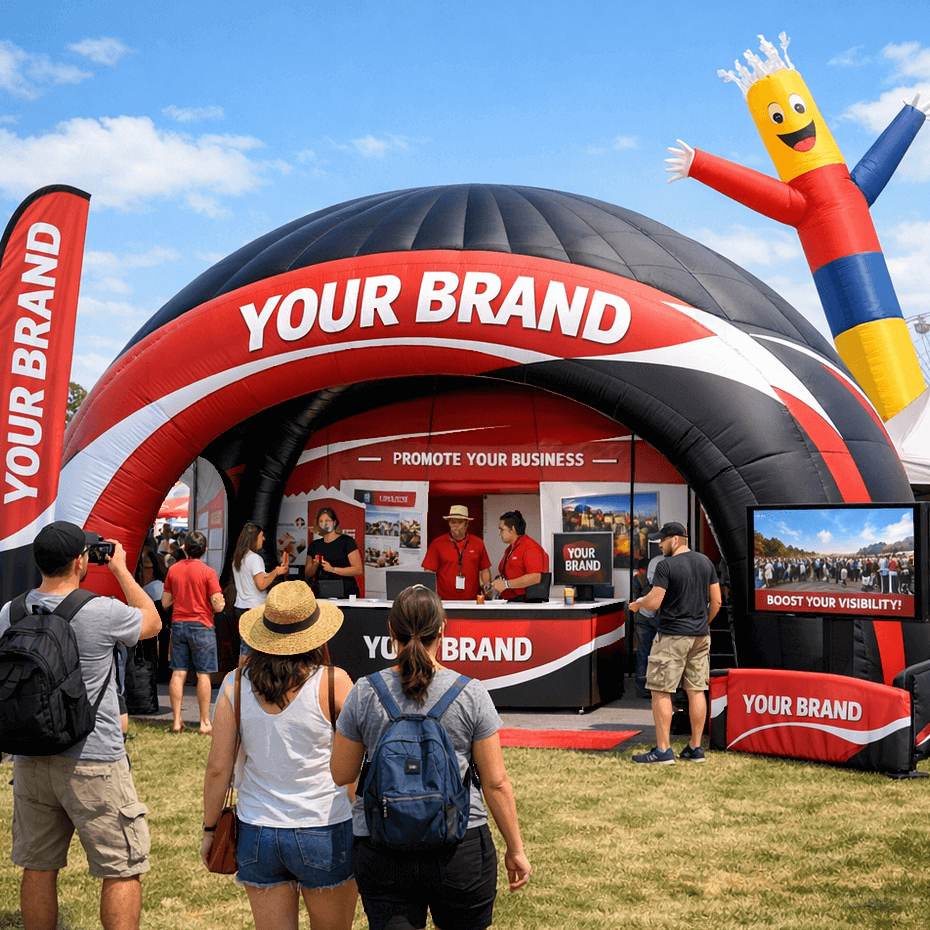
Professional buyers often seek ways to align equipment with their brand identity or specific event themes. Inflatable yoga tents offer some customization options through printing and colors, but there are practical limits.
Large-format printing on tent surfaces can showcase logos or messages effectively. However, printed surfaces may react differently to sun exposure, with colors fading or fabric becoming less flexible over time. In some cases, the paint or printing might reduce the tent’s ability to repel water or breathe, creating minor trade-offs in performance.
Functionally, some inflatable yoga tents come with modular components like detachable side panels, additional ventilation options, or integrated lighting holders. Adding these accessories improves comfort and usability but can increase the setup complexity and weight.
Working closely with your supplier to choose the right balance between branding and practical features helps avoid disappointing surprises during actual use.
—
An inflatable yoga tent is a versatile asset when chosen and managed thoughtfully. The key to getting the most out of one lies in understanding its real-world performance boundaries and adapting your event planning accordingly. Knowing where and how you’ll use it will guide you to the model and setup that fits your specific needs best.