Choosing Between Traditional Poles and Inflatable Camping Tents
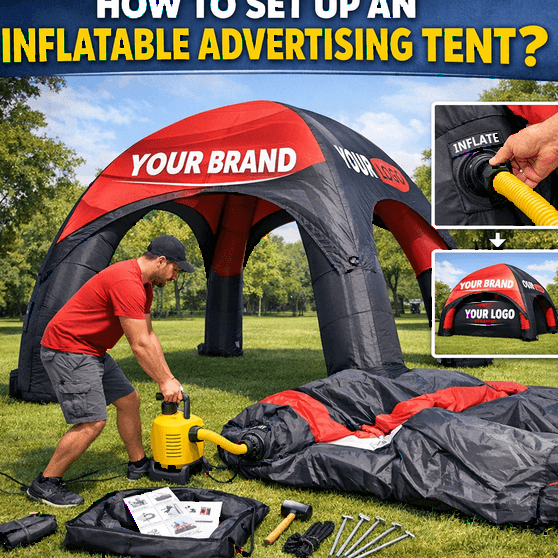
When you’re supplying event or promotional equipment, understanding the real differences between traditional camping tents and inflatable camping tents is crucial. Inflatable tents trade rigid poles for air beams that you pump up. This shift makes setup much faster—often just a few minutes, compared to the sometimes frustratingly slow process of threading poles through fabric sleeves. For a busy event planner, that speed can translate directly into fewer labor hours and less stress on-site.
But there are practical trade-offs. Inflatable camping tents rely on maintaining air pressure. If a valve leaks or a puncture occurs, you must pause to inflate again or patch to keep the structure standing. This isn’t to say traditional poles never break, but repairs on an inflatable beam are often more specialized. You’ll want to factor in how quickly your end users can manage this on their own or with limited tools.
The difference in weight and bulk also comes into play. Inflatable tents tend to weigh more due to the thicker, airtight beams and additional pump equipment. For distributors focusing on lightweight, backpack-ready gear, that could be a stumbling block. However, in outdoor markets where setup speed and ease are paramount, the weight is often a worthwhile compromise.

Durability and Environmental Impact of Inflatable Camping Tents
Durability gets questioned a lot with inflatable tents. Some prospects worry the air tubes won’t hold up well in rugged conditions or over multiple uses. The reality depends heavily on the quality of materials and design. High-end inflatable camping tents use robust TPU-coated fabrics resistant to punctures and abrasions. But cheaper options can end up being a liability, especially if customers expect them to endure rough outdoor terrains.
Environmental factors matter as well. Inflatable tents must be designed to withstand UV exposure and temperature swings without weakening the air beams. Hot sun or cold nights can cause air pressure variations, sometimes leading to sagging or overinflated linings. That requires educating customers on maintenance and monitoring—something you can highlight as a value point when supplying an inflatable camping tent.
Regarding sustainability, inflatable camping tents can offer advantages due to their longer lifespan compared to some thin-pole models that snap frequently. They also reduce metal or fiberglass pole waste. On the flip side, the heavier materials and additional manufacturing for air components could mean a bigger carbon footprint upfront. Buyers in outdoor markets are balancing durability and eco-friendliness, so offering details about these trade-offs helps build trust.
Space and Design Flexibility with Inflatable Structures
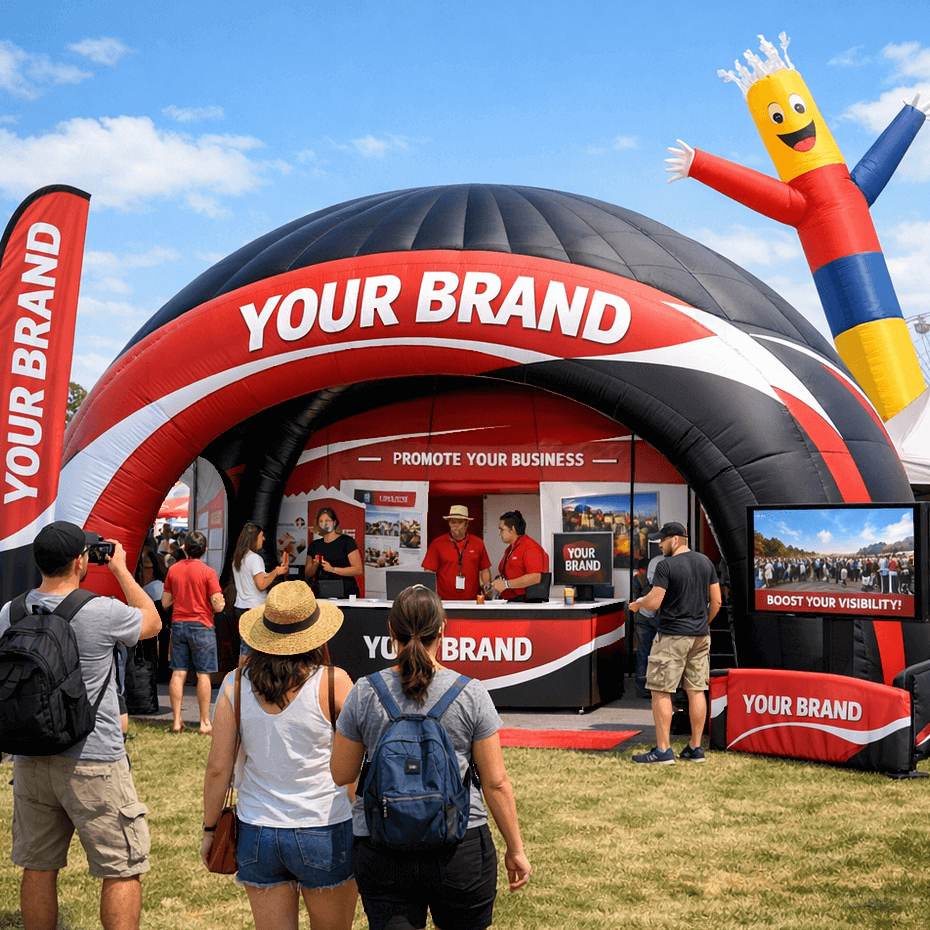
One of the less obvious benefits from a supplier’s perspective is the design flexibility inflatable camping tents provide. Without the constraints of fixed poles, manufacturers can create larger, more open floor plans or unusual shapes that suit specific user needs. This adaptability appeals to outdoor event organizers who want tents that stand out visually or maximize usable internal space.
Plus, inflatable camping tents can offer better resistance to winds. The air beams absorb some pressure through flexibility instead of rigid bending or snapping. For event planners working in variable weather conditions, the improved wind tolerance can be a decisive factor. Supplying tents that survive gusty situations means happier clients and fewer returns.
However, the bulkier beams can eat into interior space near the edges. While the floor might be bigger, the wall contours might reduce usable room against the tent’s perimeter. It’s worth helping your clients weigh these details when selecting the right model for their specific outdoor use—especially if attendees will be moving through crowded spaces.
| ID | Product Model |
|---|---|
| 3811 | advertising inflatable tent |
Maintenance and Storage Considerations for Event Planners and Distributors
Maintaining and storing an inflatable camping tent is a different experience from handling traditional tents. After a weekend event, drainage and drying become key. Inflatable tent fabrics can be thicker and less breathable, so thorough drying is essential to avoid mildew. Unlike pole tents which can be left spread out longer, inflatable tents often need to be deflated and packed away promptly to avoid damage or accident.
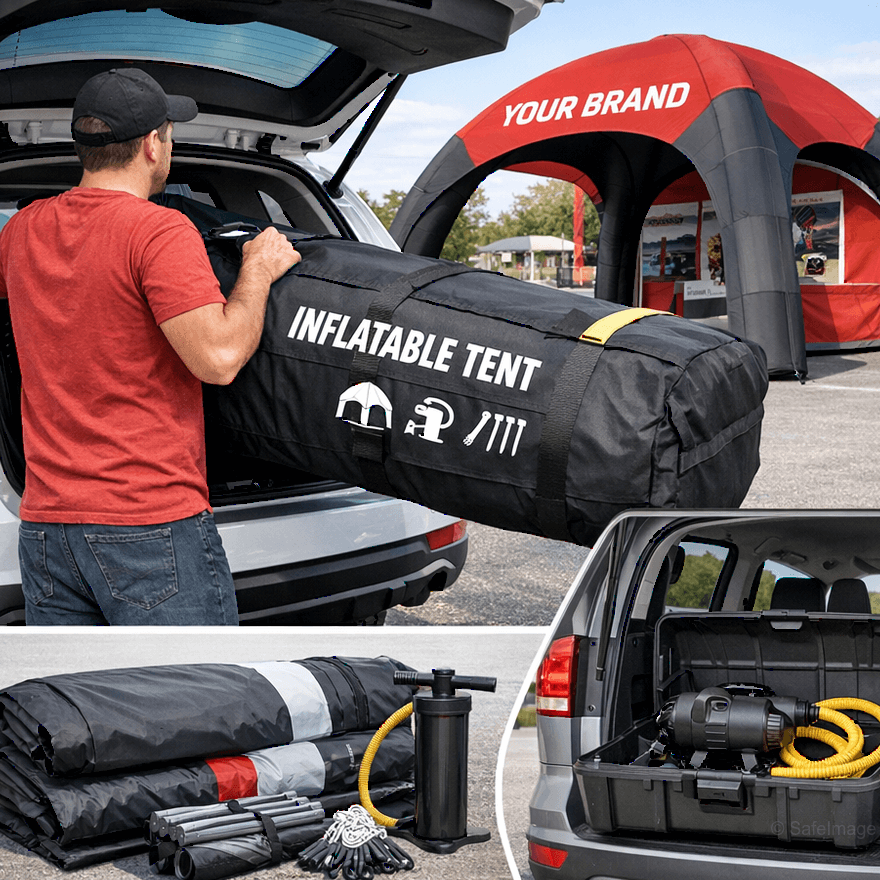
From a storage standpoint, inflatable tents generally require more careful folding to protect the air tubes. Some models come with custom storage bags or cases—valuable for travel and distribution. Handling these tents roughly or stuffing them into unsuitable containers can create weak spots and cause leaks. Educating your clients and distribution network on these steps adds value and prevents issues down the line.
Pumps are another component to consider. Electric pumps speed up setup but add to the gear customers must carry, store, and maintain. Manual pumps reduce complexity but increase setup time. Clarifying these pros and cons helps buyers make informed decisions aligned with their event size, location, and team skill levels.
Why Inflatable Camping Tents Are Gaining Traction in Outdoor Markets
It’s not just novelty that’s driving inflatable camping tents into outdoor markets—it’s their ability to solve practical problems for professional users. Event planners appreciate quick install times when working with tight schedules. Promoters like the sturdy, flexible designs that endure varied weather conditions. Distributors recognize a growing demand for equipment that balances performance with convenience.
The continued refinement of materials and air beam technology addresses many concerns around durability and sustainability. As manufacturers push forward with more robust coatings and simpler repair kits, the reliability gap with traditional tents narrows. This ongoing progress opens doors for inflatable camping tents in more mainstream outdoor applications beyond niche uses.
Ultimately, inflatable camping tents are carving out their space by offering a practical, experience-backed alternative to pole tents. Your clients can benefit from addressing real operational headaches—not just selling a product. Understanding these dynamics lets you guide professional buyers confidently toward solutions that meet today’s outdoor market demands.