Making the Most of Limited Space: Choosing the Right Hatchback Car Tent
Working with hatchback cars often means grappling with limited rear space, especially when planning for outdoor events or promotional setups. A hatchback car tent goes beyond the standard canopy by utilizing the unique shape of your vehicle’s rear, offering shelter without sacrificing mobility or storage.
The most practical hatchback car tents attach directly to the open hatch, creating an extension of your vehicle that feels like a natural workspace or shelter. For event planners juggling multiple gear pieces, this setup can be a lifesaver. It keeps your equipment dry and shaded while ensuring quick access without having to constantly move between separate tents and cars.
However, not all designs fit all cars perfectly. Hatchbacks vary, and so do their rear door angles and sizes. Selecting a tent that fits snugly against your hatch prevents wind blow-through and maximizes usable shelter space. Slim models that rely exclusively on tension can sometimes feel unstable in breezy conditions; sturdier options incorporate poles or frame supports that enhance stability, albeit adding a bit more to setup time and bulk.
These tents often offer versatile configurations. Some open wider to create seating areas, while others are primarily aimed at protecting product displays during promotions. Keep in mind the balance between footprint and crowd control. A bulky tent might obstruct foot traffic or take up valuable event space, but a tent that’s too small compromises comfort and functionality. Knowing your event’s flow and space constraints helps in selecting the tent size and shape that really works.
Assessing Durability vs Portability for Frequent Use
For distributors supplying hatchback car tents to event organizers who hit the road regularly, finding that sweet spot between durability and portability is key. Frequent assembly and disassembly can wear down materials quickly, especially zippers and fabric joints.
Heavy-duty polyester fabrics with reinforced seams make a big difference here. They tend to hold up better against abrasions and harsh weather, which is common during outdoor promotions. Waterproof coatings matter too; some tents tout water resistance, but not all withstand relentless rain without leaking. Double-check product specs to ensure that water-resistant means more than just a temporary shield.
Portability challenges arise when tents have rigid frames or additional poles; they add weight and bulk. Soft-pole or flexible frame designs reduce carry-and-pack hassles, but it’s worth testing the tent’s deployment time under real conditions. A product that rolls out in under five minutes saves time and stress—critical for event crews where every minute counts.
One compromise some buyers make is investing in a sturdier tent for permanent hubs and a lightweight, quick-setup version for more transient gigs. This approach handles varied logistics while keeping operational efficiency high and wear to a minimum.
Weatherproofing Concerns for Outdoor Promotional Events
Outdoor events rarely deliver perfect weather, which makes weatherproofing a major factor for hatchback car tents. Rain, sun, wind, or even unexpected temperature swings can impact both your equipment and the event experience.
Look for tents with sealed seams and robust, waterproof fabric. Ventilation is another often overlooked point. Tents that trap heat or condensation can quickly become uncomfortable or cause equipment damage. Models with mesh windows or adjustable vents address this, allowing for airflow while still keeping out insects and light rain.
Wind resistance can’t be ignored. Lightweight tents that easily catch gusts are more than just an inconvenience—they might become safety hazards at busy events. Proper anchoring options such as sandbags, stakes, or tie-downs are essential, especially when working on grassy or uneven surfaces. Some tents also come with guy lines integrated into the design for added stability.
It’s wise to test tents in several weather conditions before relying on them in crucial events. A dependable hatchback car tent will withstand a sudden shower without collapsing or leaking, rather than just sitting prettily in calm conditions.
| Index | Product Model |
|---|---|
| 1545 | inflatable advertising tent |
Considering Practical Setup and Breakdown on Event Day
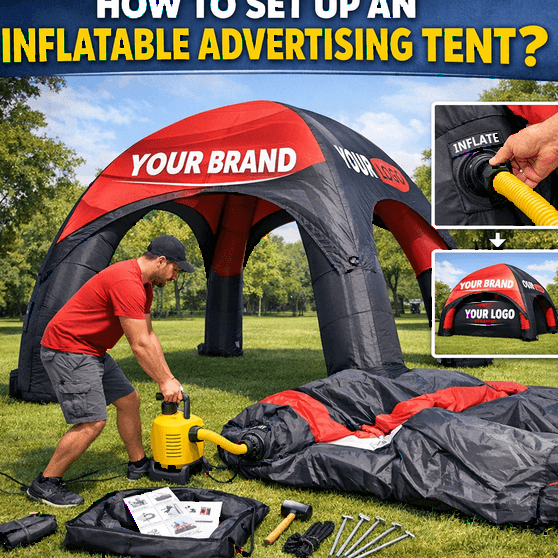
Event days don’t leave much margin for error or delay. The hatchback car tent needs to balance quick setup with a solid, secure structure. If your team struggles for 20 minutes getting a tent up while guests arrive, that’s a sign the product might not be a good fit.
Some tents feature color-coded or snap-in pole systems, which can reduce confusion but may still require two or more people for smooth operation. Solo event staff often benefit from tents with simplified tension systems or designs that lean on the hatch itself for structural support.
Time for teardown is just as crucial. Sticky Velcro or tricky zippers can slow packing down considerably. Look for designs manufactured with durable but easy-to-clean zippers and attachment points. This reduces wear and tear, meaning your hatchback car tent won’t degrade quickly under frequent use.
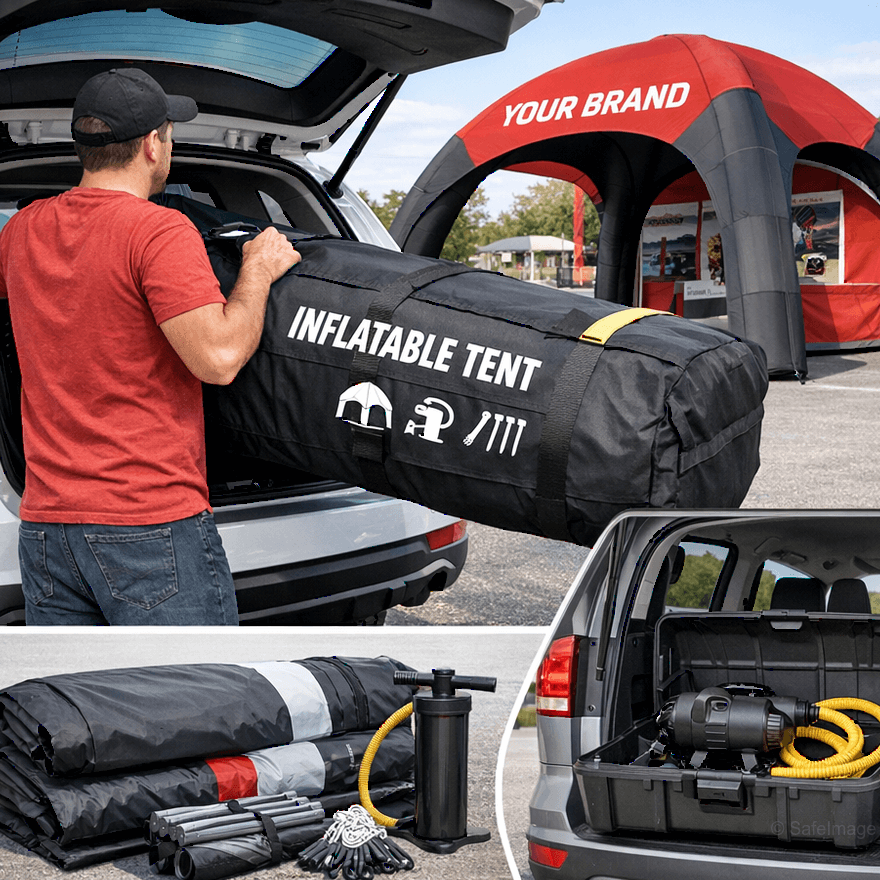
Also, consider storage options. Does the tent come with a compact carry bag? Are the frame elements bundled separately from the fabric to avoid damage? An intelligently designed carrying case makes life much easier between events.
Matching Tent Size to Intended Use: Single User to Team Operations
The dimensions of hatchback car tents can range from compact shelters ideal for solo roadside demos to larger models designed for small teams. Matching size to your actual use case avoids overpaying for space you don’t need or running into cramped setups that frustrate staff and guests.
For distributors, recommending models based on client needs involves understanding both the event type and the product or promotion style. Smaller tents suited for single-person booth extensions work well for quick product handouts or sample distributions. Larger tents with additional side wings or folding tables attached create smoother workflows for detailed demos or team interactions.
Transport and storage need consideration here too. Bigger tents demand more cargo space. When a client operates a fleet of vehicles, standardizing on one tent size can simplify planning, but accept that compromises on fit and usability might come with it. Providing options within a size range allows planners to tailor their setups more precisely.
Using modular tents or models that allow side expansions offers the best of both worlds. They can start compact for minimal setups and grow as team sizes or event complexity increase.
—
Choosing the right hatchback car tent isn’t about picking the flashiest or most expensive model. It’s about balancing real-world trade-offs—space, weather, durability, and ease of use—to make your event more efficient and comfortable. Armed with practical experience and knowing your clients’ demands, these tents become essential tools, not just temporary shelters.