The Display Inflatable Tent for Varied Event Settings
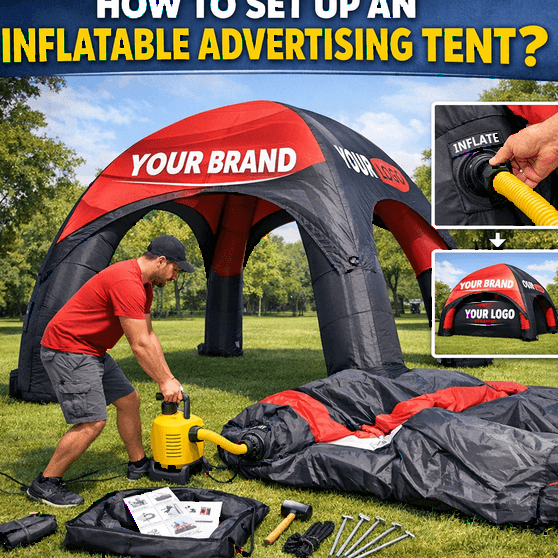
Handling different event environments puts a premium on how adaptable your display inflatable tent needs to be. Outdoor events, especially, bring challenges like wind, uneven ground, and unpredictable weather. Opting for a tent with strong anchoring options—think sandbags, ground spikes, or water weights—can make a big difference. A tent that’s heroically easy to inflate and deflate, yet maintains solid structural integrity, often shines in these conditions.
Keep in mind the surface where you’ll set up. Hard pavements won’t accommodate ground spikes, pushing you toward weighted solutions. Grass fields sometimes even call for longer stakes to ensure stability. The choice often boils down to balancing portability against sturdiness—lighter inflatables are simple to transport but might need more frequent attention during windy spells.
Some event planners prefer modular inflatable tents, letting them expand or contract the covered area depending on the day’s crowd size or event scope. Others focus on peak height and overall volume for visibility. It’s wise to evaluate how easy the tent is to customize or reconfigure on-site, as that can save plenty of headaches when schedules are tight or layouts change at the last minute.
Material and Durability: What Holds Up Under Pressure?
One overlooked aspect is how the fabric and seams handle constant inflation cycles and exposure to the elements. Display inflatable tents vary in materials, from lighter PVC-coated fabrics to heavier-duty polyester blends with reinforced seams. While the more robust options add weight, they significantly improve longevity, especially if you’re renting or reusing the tent frequently.
Weather resistance is key—not just rain, but also UV exposure can degrade some materials faster than you’d expect. Look for tents with certified UV protection or that include a UV-resistant coating. Smarter fabric choices can prevent color fading and material brittleness after a season or two of heavy sun.
Maintenance also ties into material selection. Some fabrics resist stains and are easier to clean, a major advantage if your tent is exposed to dirt and grime regularly. It’s worth testing small samples under your typical conditions before committing to bulk orders. Knowing any repair kits or replacement parts availability upfront saves a scramble later on.
Branding Impact and Practical Display Options Inside the Tent
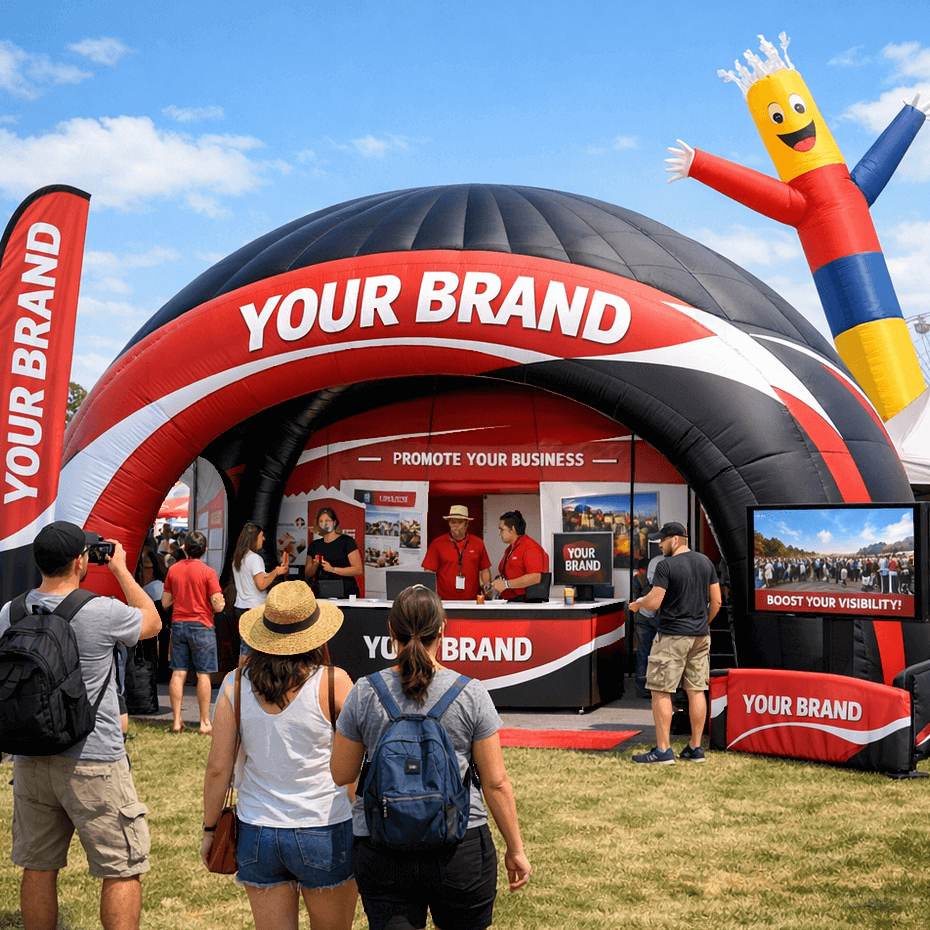
Your display inflatable tent often serves as more than shelter—it’s a brand statement. Many clients want their logos, messaging, or campaign graphics well integrated without dealing with awkward attachments or fragile signage. Inflatable tents frequently come with surface areas large enough for high-impact visuals, but the printing process and materials used can influence appearance longevity and vibrancy.
Heat transfer prints tend to look sharper and last longer but might come at a higher price. Screen printing wears well but can be pricier depending on color complexity. Digital printing offers flexibility, especially for limited runs or frequent design changes, although it may fade faster outdoors. Experienced suppliers can advise on which graphic application matches event frequency and exposure levels.
Inside the tent, consider space usability. Inflatable structures sometimes have lower ceilings or narrower sections due to their curved sides. This can limit setup options for display racks or lighting, which are crucial for customer engagement. Planning the tent’s interior layout alongside the marketing materials helps keep the environment inviting yet functional.
| Number | Product Model |
|---|---|
| 3604 | advertising inflatable tent |
Handling Logistics: Setup Time, Transport, and Storage Considerations
Time on site is often tight, and the more complex the setup, the higher the chances of delays or added labor costs. Display inflatable tents are favored for their quick deployment—the standard inflation time is usually just minutes. However, factor in time for securing weights or stakes, aligning the tent correctly, and placing signage or accessories.
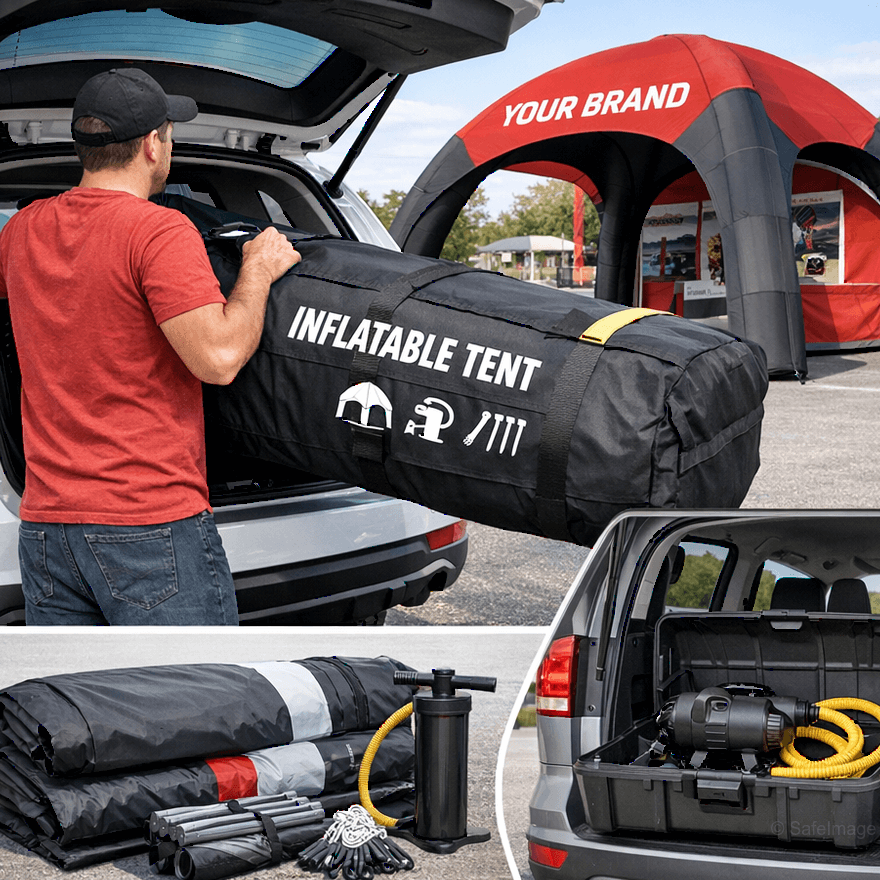
Transport logistics shouldn’t be underestimated either. Even though inflatable tents pack down fairly small compared to traditional frame tents, selecting one that fits into your existing transport infrastructure is important—especially if you rely on standard vans or small trucks. Some tents come with convenient carrying bags or cases that help organize the accessory kits, which speeds up loading and unloading.
Storage conditions between uses have an impact on lifespan as well. Damp or poorly ventilated storage can lead to mildew or fabric degradation. Deflating and drying the tent thoroughly before packing it away is crucial. For distribution businesses managing multiple units, developing a streamlined process for inspection, cleaning, and repair can help maintain equipment readiness and condition over time.
Safety Considerations with Display Inflatable Tents
Despite their lightweight construction, there are safety issues to keep in mind. Sudden gusts of wind can destabilize an inflatable tent if it’s not anchored well or operated within recommended conditions. Following manufacturer’s guidelines about wind speed limits and anchoring protocols is essential to avoid dangerous accidents.
Electrical components, such as lighting or fans, need proper safeguarding since water exposure is common outdoors. Using waterproof fixtures and ensuring cables are routed away from walkways reduces trip hazards and electrical risks. Event teams should be briefed on emergency teardown procedures in case the weather turns unexpectedly.
Often overlooked is the tent’s fire resistance rating. Check local event regulations as some venues require tents to meet specific fire-retardant standards. Selecting display inflatable tents treated with flame-retardant coatings can simplify compliance and add peace of mind during crowded events.
Custom versus Standard: Weighing Your Options for Display Inflatable Tents
Going custom opens opportunities to align the tent perfectly with your brand identity and functional needs, like unique shapes, colors, or integrated features. However, custom inflatables require longer lead times, higher upfront costs, and minimum quantity commitments that might not fit everyone’s budget or event schedule.
Standard models, meanwhile, often come with flexible branding options such as attachable banners or changeable graphics. They may not be as distinctive but can be deployed with minimal fuss and lower risk. It helps to keep a few standard sizes and designs in stock, especially for event planners handling recurring shows with varying setups.
Deciding between custom or standard should factor in event frequency, budget constraints, storage capacity, and branding requirements. Sometimes mixing both approaches works well: use standard tents for smaller shows and invest in distinctive custom inflatables for flagship events where first impressions count most.
—
Display inflatable tents offer plenty of practical advantages, especially when you consider the nuances of each use case. Understanding how setup conditions, material selection, branding needs, logistics, safety, and customization options interact can help you choose the best fit for your events. These tents aren’t just temporary shelters—they’re a significant part of the guest experience and brand presentation.