How to Choose the Perfect Size for Your Christmas Inflatable Arch
Sizing an inflatable arch for a festive event isn’t as straightforward as picking the biggest or flashiest option. The arch needs to fit the venue and the expected foot traffic comfortably. Too small, and it might look underwhelming; too large, and it could overwhelm the space or cause safety concerns. Pay attention to the entrance or exit points where the arch will be placed to ensure it doesn’t obstruct movement or emergency exits.
A popular practical approach is to measure the typical human height plus any seasonal attire guests might wear, then add clearance for decorations or signage attached to the arch. Indoor events often require ceiling clearance checks, especially with multi-story or tented venues.
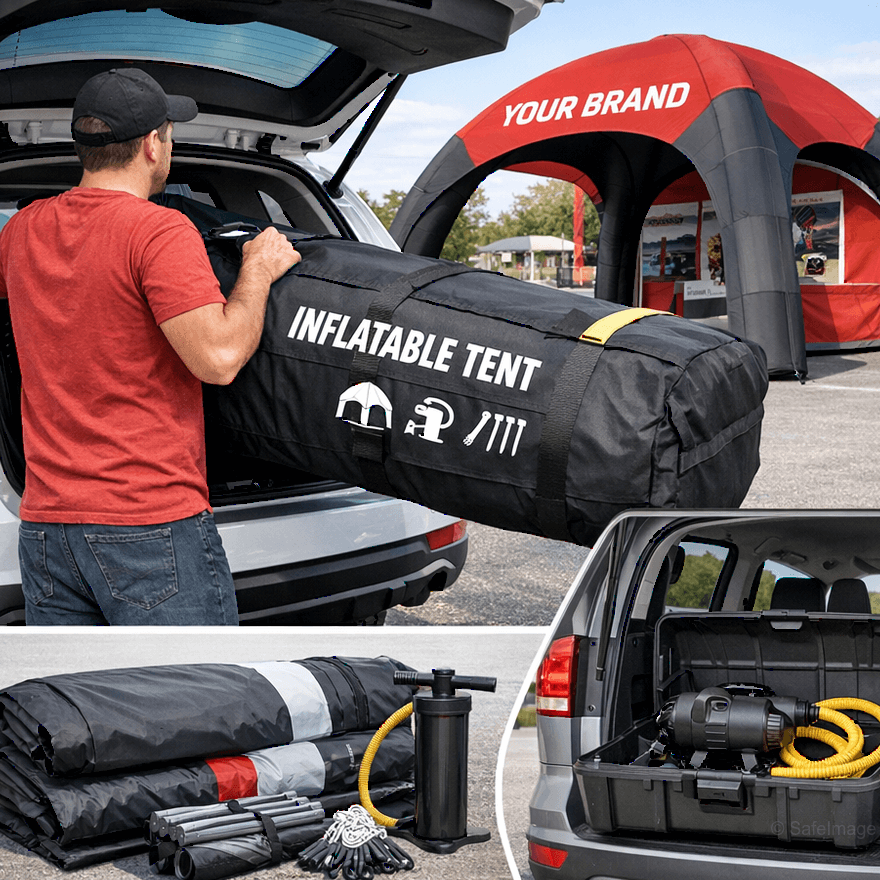
Since the arch will be outdoors during Christmas-time events, consider the possibility of wind affecting a very tall or wide inflatable. If it’s in an open plaza or windy street, selecting an arch with sturdy anchoring options and a moderate height can prevent accidents. Don’t forget about how the size influences storage and transportation – a very large arch may need specialized packaging and handling that adds to logistical complexity.
Material & Durability Considerations During Winter Events
Not all inflatable arches are created equal when it comes to weather resilience. The Christmas season often means unpredictable elements—cold temperatures, rain, or even snow. The material of a christmas inflatable arch is critical to maintaining its shape and appearance throughout the event.
PVC and heavy-duty nylon blends are common for their ability to withstand moisture and chilly air without becoming brittle. Some suppliers offer UV-resistant coatings to help with discoloration during daytime outdoor exposure, even in winter months when the sun’s rays can still be strong.
Keep in mind that colder temperatures can slow inflation or cause seams to stiffen, which compromises the arch’s structural integrity. Selecting materials with a bit of flex and tolerance to cold makes the setup more reliable. It’s worthwhile to ask your supplier about recommended maintenance or inflation guidelines tailored for winter use—the right blower capacity and inflation time can make a big difference.
Integrating Branding and Seasonal Decorations
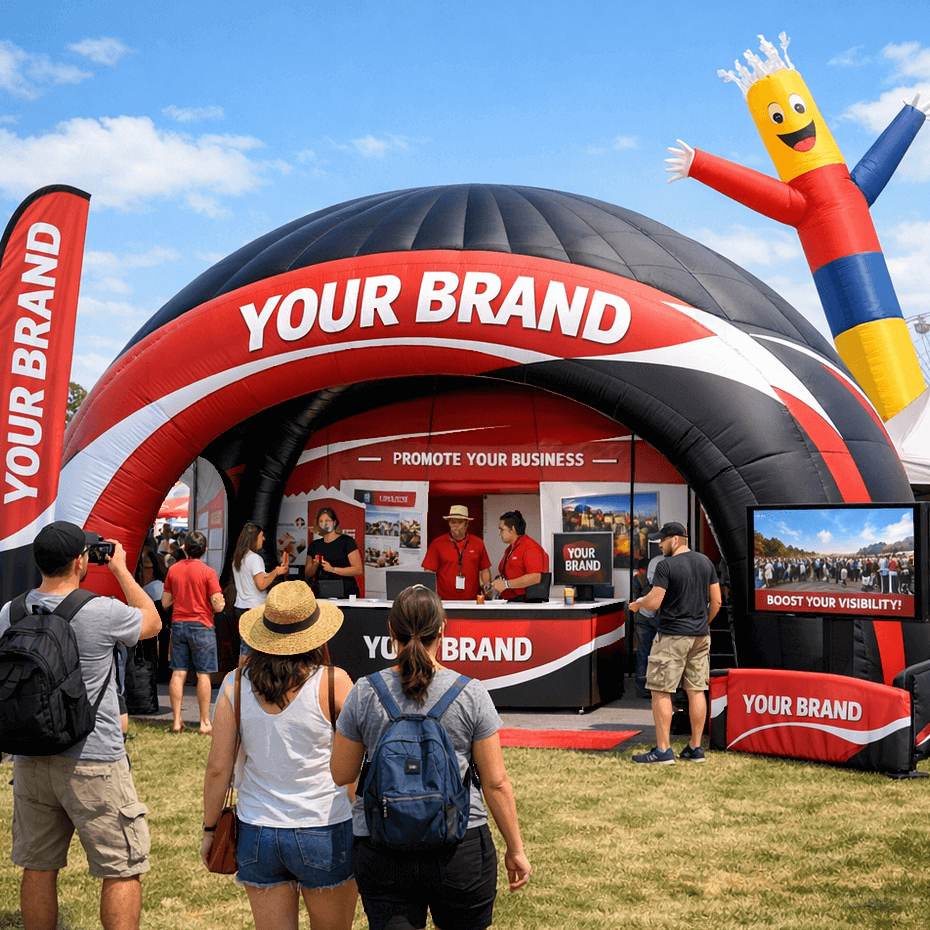
An inflatable arch isn’t just a structure — it’s a prime space for branding and enhancing seasonal cheer. With a christmas inflatable arch, you have a chance to incorporate logos, company colors, or event names in a highly visible way. The challenge is balancing branding clarity with holiday spirit without overcrowding the design.
Many event planners opt for removable banners or attachable accessories such as LED light strips, wreaths, or snowflake graphics made from weatherproof materials. This modularity helps customize arches for different clients or multiple uses throughout the season.
However, adding too many externally attached decorations can interfere with the arch’s air-tight seal or create uneven weight distribution, risking deflation or collapse. Planning the decoration strategy alongside technical specs is necessary to avoid such mishaps. Work with your supplier to confirm that any add-ons are safe and can be installed without damaging the inflatable.
| No. | Product Model |
|---|---|
| 4153 | advertising inflatable tent |
Logistics and Setup Challenges for Seasonal Use
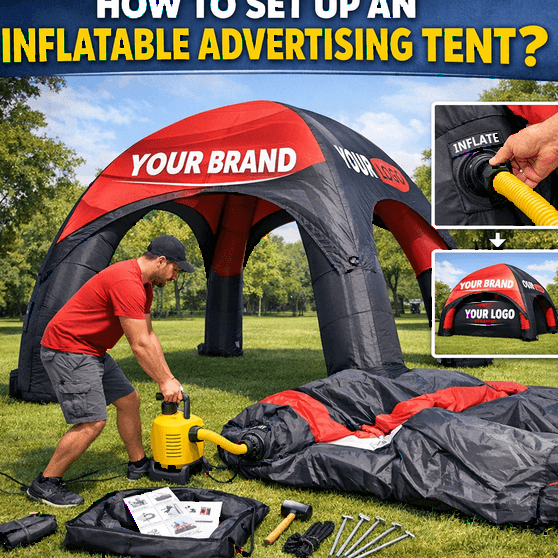
Setting up a christmas inflatable arch involves more than just plugging in a blower and watching it rise. The winter season adds logistical layers that impact installation speed and reliability. Cold weather can affect the flexibility of the inflatables, making initial unfolding and positioning more cumbersome.
Timing is critical, especially for outdoor events with tight schedules. Arriving early enough to lay out the arch flat and check for any possible damage before inflation is essential. If the equipment has been stored in cold conditions, letting it warm up slightly prior to inflation can prevent cracks or seam stress.
Wind and precipitation during setup are other concerns. Anchoring must be well-planned — ground stakes, weighted bags, or sandbags depending on the surface — ensuring the arch remains stable throughout the event. For events in snowy regions, clearing the area and periodically checking the arch during operation helps avoid dangerous accumulation.
Transporting a christmas inflatable arch during winter calls for weather-resistant packaging and possibly insulated covers to prevent material brittleness. Also, keep spare parts, pumps, and repair kits handy, as seasonal conditions increase the likelihood of wear and small damages.
Compliance and Safety Protocols Around Inflatable Structures
Safety shouldn’t be overlooked when planning to use a christmas inflatable arch, especially in public or high-traffic areas. Though inflatable arches look festive and welcoming, they must meet local codes and safety standards.
Fire-retardant materials are typically required for public use. Ask for certifications or evidence that the arch meets such standards. Proper grounding and securing prevent it from becoming a hazard in windy conditions or strong gusts.
Electrical safety is another major factor. Make sure blower motors have weatherproof power connections and that cords don’t pose trip hazards. Event venues often require inspection or permits before inflatables can be erected, so it’s wise to consult with local authorities early.
Consider emergency access as well — the arch should never block exits or impede crowd movement. Good communication with venue managers and event security can ensure the inflatable adds appeal without complicating safety measures.
Maintaining and Storing Your Christmas Inflatable Arch for Longevity
Proper care extends the lifespan of a christmas inflatable arch and keeps it looking vibrant year after year. After each event, the arch should be completely deflated, cleaned of any dirt or salt (if outdoors near roads), and dried thoroughly to prevent mold or mildew.
Storing the arch in a temperature-controlled environment avoids damage caused by extreme insect or rodent activity, which can chew through the fabric. Use original packaging or custom storage bags that protect against dust and physical punctures. Refrain from placing heavy items on top of stored inflatables to preserve shape and avoid stressing seams.
Regular inspection before and after each use allows you to spot and repair small rips or leaks promptly, preventing escalations that could take the arch out of commission. It’s a good habit to follow supplier-recommended maintenance routines and keep a repair kit nearby during events.
Proper upkeep isn’t just about the arch’s aesthetics; it ensures consistent performance, reduces downtime, and helps maintain client trust by having reliable equipment ready every season.