Car Tent Gazebo for Varied Event Needs
When preparing for an event that involves vehicles—whether it’s an outdoor trade show, a sales activation, or a motorsport gathering—selecting the correct car tent gazebo can be a game changer. The choice isn’t just about sheltering a car; it involves considering size, setup ease, durability, and adaptability to the venue. If you’re sourcing equipment for clients or organizing the event yourself, understanding these trade-offs is crucial.
Standard car tent gazebos often come in sizes suited for one to two cars, with various height clearances to accommodate everything from compact cars to SUVs and trucks. A lower clearance model might be lighter and simpler to handle but may not fit larger vehicles comfortably. On the other hand, models with tall clearance can be bulkier and more costly, which might not align with budget or transportation constraints.
Considering a modular car tent gazebo with customizable sidewall options could solve the issue of exposure to wind or rain, especially if the event is extended across several days. This added flexibility can improve the overall experience but comes with increased setup time and maintenance requirements. You have to weigh these practical concerns against the specific environment and expected weather.
Setting Up a Car Tent Gazebo in Urban vs. Rural Locations
Setting up a car tent gazebo downtown, where space is tight and regulations may be stringent, poses different challenges compared to rural or open-air events. In urban settings, you might face restrictions on anchoring methods, which impacts the gazebo’s stability during wind or rain. Portable weights are often the only option, but these may not provide the same security as stakes driven into soft ground.
In more open areas, stakes or ground anchors offer better support but require attention to the surface type. Rocky or uneven terrain can complicate installation and increase the risk of damage to the gazebo frame or canopy. It’s wise to bring varied anchoring options and tools to adapt to last-minute location changes.
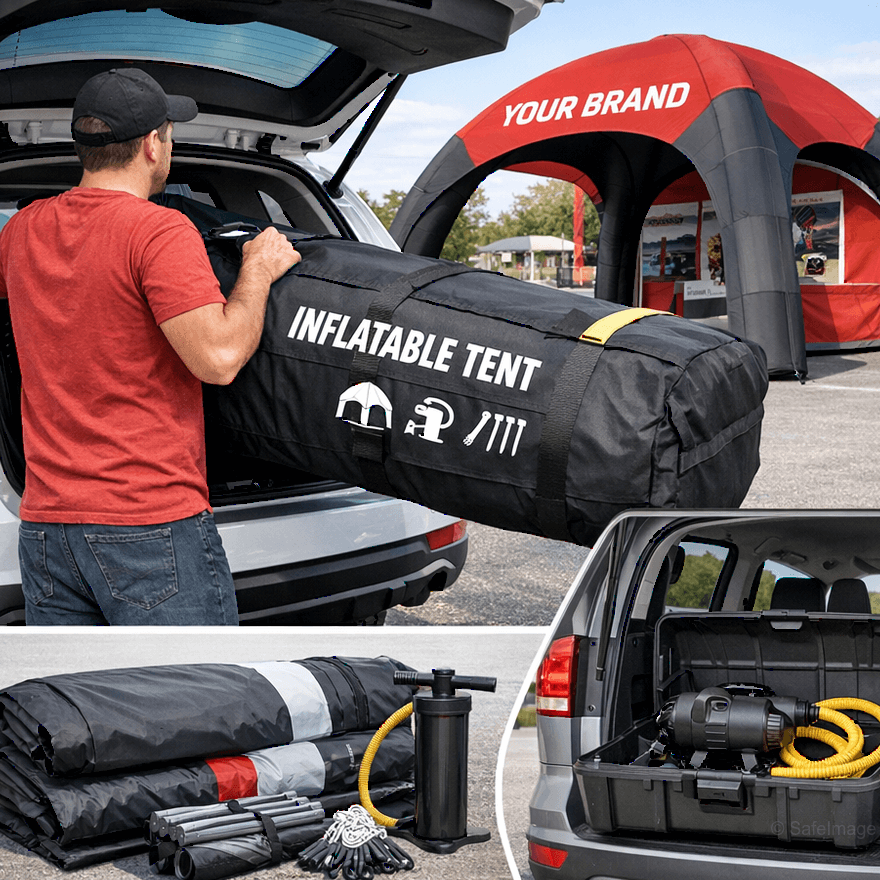
Transport and storage are equally important. Urban events might impose time windows for delivery and setup, limiting when a car tent gazebo can be erected. Choosing a model that breaks down into compact components can speed up preparation, though smaller parts can be easier to misplace or damage if not carefully managed.
Balancing Weight and Durability in Car Tent Gazebo Materials
Decisions about materials often hinge on how much the car tent gazebo will be used and in what conditions. Lightweight aluminum frames are popular for their portability and resistance to rust. However, aluminum may flex more under heavy wind stress, potentially shortening the lifespan of the structure in demanding environments.
Steel frames provide robust durability but add significant weight, making frequent transport and setup more labor-intensive. If the event’s schedule demands quick assembly and teardown, the extra weight could be a practical drawback.
The fabric canopy itself is also critical. Polyethylene covers are cost-effective and water-resistant but can degrade under prolonged UV exposure. Polyester with a PVC coating offers better UV protection and waterproofing but generally comes at a higher price point. Spotting subtle differences in fabric types during supplier evaluations can save costs on replacements and downtime.
Considering Branding and Customization Opportunities
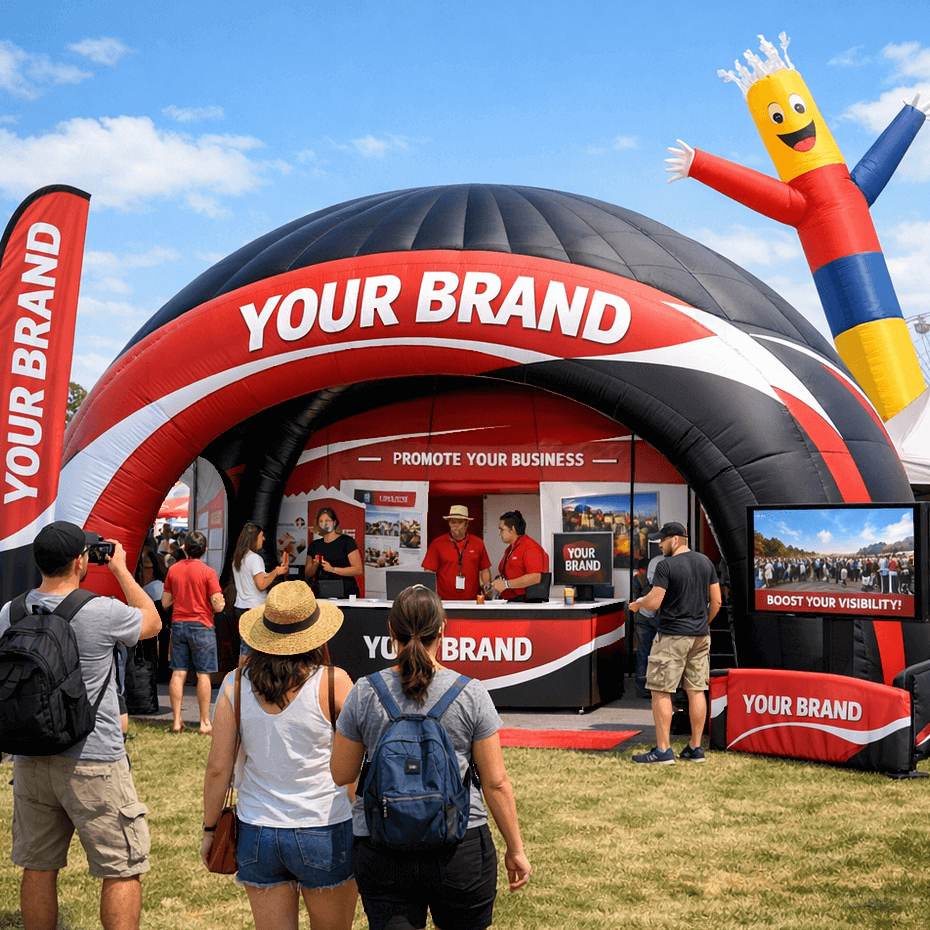
A car tent gazebo isn’t just about shelter; it’s a powerful branding tool for your event or client’s business. Many models allow for printed sidewalls and – in some cases – the canopy itself, which enables on-the-spot marketing. However, there are constraints. Printed materials must be durable enough to withstand the elements without fading or peeling, which means investing in quality printing techniques and ink.
The dilemma often lies in balancing customization with practical reuse. Custom graphics look fantastic for signature events, but they limit versatility if you’re serving multiple clients or need to use the tent across different occasions. Interchangeable panels or reusable vinyl prints might be a better solution for agencies or distributors managing diverse events.
Keep in mind that printing adds to lead time. If schedules are tight, ordering a car tent gazebo with custom branding can require careful planning to avoid delays that could impact event preparation.
| ID | Product Model |
|---|---|
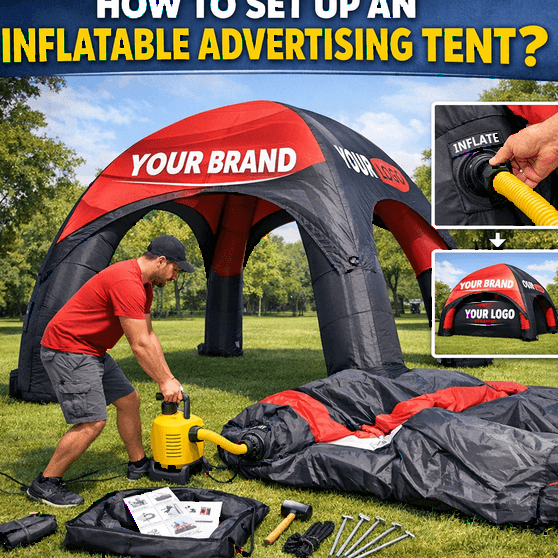
| 5168 | inflatable advertising tent |
Maintenance and Longevity: Beyond the First Event
The real test for any car tent gazebo comes after repeated use. Cleaning and maintenance routines have a big impact on how long your investment lasts. Most canopies are machine washable or require gentle hand cleaning, but frame care is often less straightforward. Regularly checking joints, tightening bolts, and lubricating moving parts can prevent minor issues from turning into costly repairs.
Storage conditions also matter. A damp storage space can encourage mold growth on fabric or rust on metal parts. Ideally, tents should be dried thoroughly before packing away and stored in a temperature-controlled environment. If these conditions are hard to guarantee, consider investing in protective bags or cases.
Another limitation you’ll face is wear from exposure. Even the sturdiest car tent gazebo will eventually show signs of UV damage, fabric wetting, or structural stress. Having a plan for part replacements or upgrades can reduce downtime between events and avoid last-minute equipment failures.
Weight and Transportation Logistics for Distributors and Event Planners
For distributors and event planners handling multiple events, the weight and bulk of a car tent gazebo can influence transportation costs and labor needs. A heavy, bulky frame means larger vehicles and more manpower, which push up the overall event budget.
On the other hand, very light setups often sacrifice durability. Getting the balance right depends on the event frequency, scale, and client expectations. Frequent movers might value packability and ease of handling over ruggedness, while long-term setups can justify heavier, sturdier options.
Containerized shipping adds another level of complexity. Folding down the gazebo efficiently is essential to maximize shipment volume and reduce costs. Working with suppliers who clearly communicate package dimensions and weight helps avoid surprises during logistics planning.
Selecting a car tent gazebo that fits the operational model you manage can reduce stress and improve turnaround times on event days. It’s a balance between usability, robustness, and transport practicality—never just about the initial cost.