Big Car Tent for Varied Weather Conditions
Car events, outdoor markets, or even contractor sites often require shelter that’s both spacious and dependable. A big car tent offers a convenient solution but selecting the right one can be tricky when weather conditions fluctuate. It’s easy to get caught up in size and appearance, but the tent’s durability and weather resistance matter far more in practical use.
Take wind resistance, for instance. A lightweight frame might be easier to transport but can become unstable quickly if strong gusts hit. A good big car tent typically features reinforced legs and heavy-duty fittings that anchor firmly to the ground. Steel frames often hold up better than aluminum here, but the added weight affects portability.
Rain protection is another critical aspect. Some tents use waterproof fabric but neglect sealed seams, leading to leaks during prolonged downpours. For professional buyers organizing outdoor promotions, a weatherproof roof combined with properly treated sidewalls can provide versatile coverage, whether it’s a light drizzle or a steady rain throughout the day.
Sun protection shouldn’t be underestimated either. Choosing fabric with a UV coating helps preserve product samples and improves comfort for staff and visitors. The tent’s structure should also allow easy attachment of side panels or screens to block harsh rays from any angle.
Space Planning: How Big is Big Enough?
“Big” doesn’t mean the same thing to every buyer. While a large car tent might suggest coverage for multiple vehicles side-by-side, sometimes the real need revolves around space for additional gear, displays, or seating arrangements.
A tent’s internal dimensions often get reported as maximum width and depth, but usable space shrinks when setup requires securing guy ropes and poles. This is especially relevant on uneven surfaces like a gravel lot or grassy field where tent legs can’t be placed neatly. Expect to lose a foot or two on each side compared to the manufacturer’s stated size.
Consider the height too. Taller tents give more headroom and accommodate banner stands or light fixtures inside, but they’re often more susceptible to wind damage unless properly designed. Adjustable leg heights can help adapt to different terrains, but uneven setups challenge stability and overall appearance.
When space is tight, modular big car tent designs that allow sections to be added or removed might solve the problem. However, modular systems often require more time and skill to assemble fully, increasing labor costs on event days.
Material Choices: Durability Versus Portability
Durability and portability often pull buyers in opposite directions when selecting a big car tent. Canvas or heavy-duty polyester canvas blends are popular for their sturdiness, ability to withstand wear and tear, and good weather performance. On the downside, they add cumbersome weight and require more careful storage to avoid mold or fabric damage.
Conversely, lightweight polyester or nylon tents pack easy but are more prone to punctures or fabric degradation after extensive UV exposure. For event planners who travel frequently, this might be a necessary compromise but expect to replace tents more often.
Frame materials also influence durability. Steel frames weigh more but typically last longer and offer better stability. Solid aluminum frames cut transportation weight but often come at a higher price point and can show weakness in high-wind scenarios.
It’s also worth noting the quality of fasteners, zippers, and other small parts. Low-cost tents might skimp on these essentials, leading to frustrating failures during or right after setup. For professional use, investing in proven hardware makes a significant difference in the tent’s service life.
| ID | Product Model |
|---|---|
| 2336 | inflatable branded tent |
Logistics: Setup Time and Storage Needs
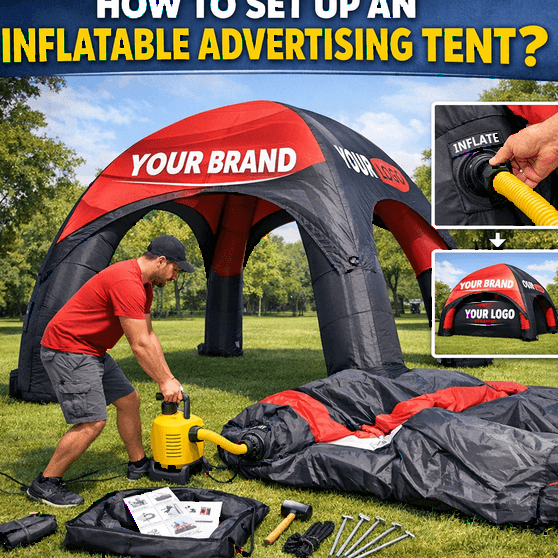
How much time and effort it takes to set up a big car tent is more than a minor inconvenience. Labor hours add up quickly, and a cumbersome tent can slow down the entire event process. Some manufacturers design their tents for quick pop-up assembly, requiring as little as a couple of minutes from experienced staff, while more customizable tents may need an hour or more to erect properly.
Consider the number of people required for setup, too. Larger tents or those with complex frame structures often need at least three to four workers to handle safely, especially in windy or uneven conditions. This manpower requirement should factor into budget planning.
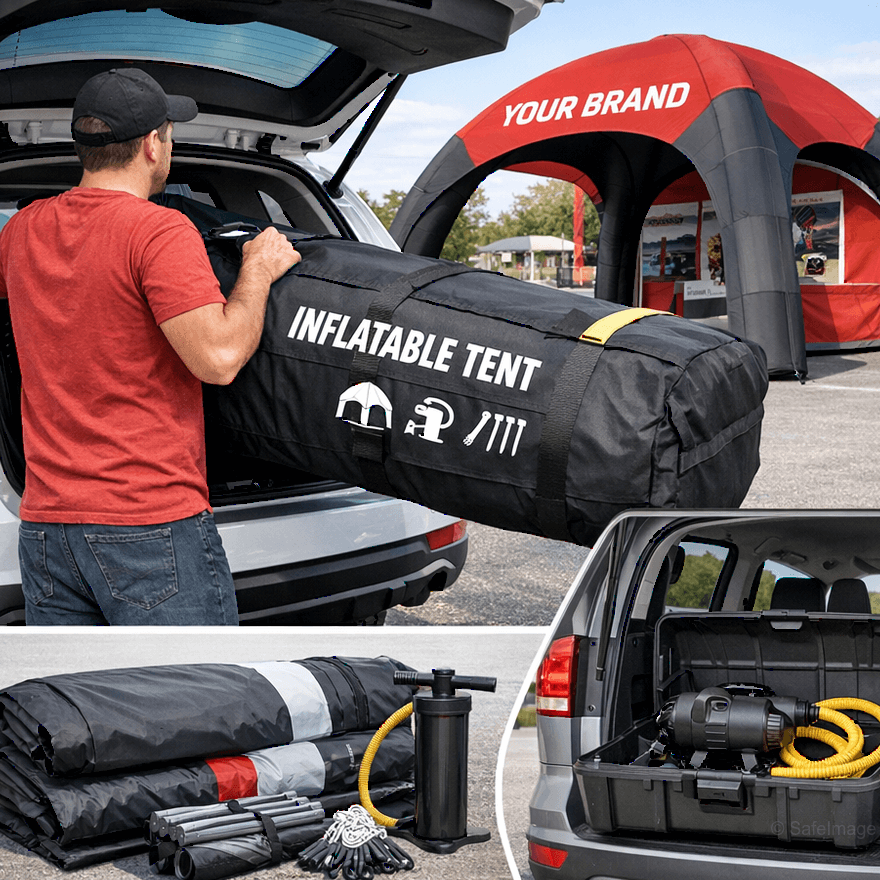
Storage after the event is another practical concern. Folding down a large tent into a manageable package without damaging the fabric or frame takes experience and care. Some tents come with heavy-duty carry bags or cases, which help but add to the packing weight.
Planners handling multiple events might benefit from modular or segmented big car tents that break down into smaller parts, making transportation and storage less burdensome. For one-off events, though, a heavier and larger tent might be justified if durability and size are priorities.
Compliance and Safety Considerations on Public Sites
When using a big car tent on public or commercial properties, compliance with local safety regulations and venue requirements is critical. Fire retardant materials, for instance, are often mandatory and non-negotiable, especially at trade shows or fairs where there’s high foot traffic.
Proper anchoring methods are another factor. Some venues prohibit stakes in the ground, requiring weighted bases instead. Understanding these rules before purchase avoids last-minute scrambling or costly modifications.
Emergency exit points need to be planned thoughtfully in tents with sidewalls or partitions. A big car tent designed solely for cover might lack adequate egress options, which could pose risks in evacuation scenarios.
Many venues also require tents to have certifications for wind and snow loads depending on season and location. While snow load capacity might not be relevant for summer events, wind ratings can vary widely and directly impact setup decisions.
In some cases, additional insurance or inspection might be necessary. This is where working with suppliers familiar with local codes benefits planners who require peace of mind on busy event days.
Customization vs. Standard Models: Finding the Right Balance
Standard big car tents come at a relatively affordable cost and are stocked for quick delivery from many suppliers. However, the tradeoffs include fewer options for branding, color matching, or specific size adjustments.
Custom tents allow logos, specialized colors, and structural tweaks that align perfectly with a brand’s identity and event needs. But customization extends lead times, raises costs, and sometimes limits the ability to swap or replace parts quickly should damage occur.
For distributors handling multiple clients, stocking a range of standard models often works best to meet general demand without tying up capital. Event planners working on branded campaigns might lean toward custom orders but would benefit from a supplier who can advise on timing, costs, and expected durability.
The material selected also plays a role here. Custom fabric printing requires compatible textiles that maintain weather resistance and UV protection. Otherwise, logos can fade or the fabric can degrade prematurely, leading to a weaker overall performance.
Balancing these factors realistically based on event frequency, storage capabilities, and budget produces better results than chasing the “perfect” tent that may underperform in the field.