The Air Tent Kitchen for Your Event Setup
Setting up an event kitchen inside an air tent requires careful consideration—not just of the available space, but how the kitchen layout will function for your specific needs. Air tent kitchens offer flexibility that traditional frame tents don’t, but that flexibility comes with a few trade-offs. For one, the shape of the tent can impact kitchen flow and accessibility. Most air tents curve gently from the base to the apex, so fitting rigid kitchen equipment like commercial ranges or prep tables needs a bit of planning.
You’ll want to think about footprint early in your planning. While air tents are typically faster to set up, their internal dimensions can vary depending on inflation pressure and weather conditions, which means the kitchen area might shift slightly. This is different from hard-structured units that hold their shape perfectly. Ensuring that your air tent kitchen has space allocated not only for cooking equipment but for movement and service paths can prevent last-minute cramping during the event.
Another factor is ventilation. Air tents can be sealed tighter than regular fabric tents, so managing smoke or steam becomes crucial. Choosing an air tent kitchen with adjustable vents or integrating ventilation accessories will help keep cooking environments comfortable and safer.
Setting Up a Functional Workflow Inside an Air Tent Kitchen
Once the right air tent kitchen size and specs are chosen, the setup phase brings its own challenges. Since one of the big selling points of air tent kitchen systems is rapid deployment, there’s a temptation to rush through arrangement details. But ignoring the workflow inside the tent frequently causes headaches during event hours.
Consider separation of clean and dirty zones within the space. With limited square footage, it’s tempting to put prep tables near the washing station to save space. In reality, this can cause cross-contamination risks, which you want to avoid especially in catered events or food festivals. Air tent kitchens offer modular options, allowing organizers to set partitions or barriers that maintain hygiene without compromising the tent’s structural integrity.
Storage is often overlooked but key. Because air tents don’t have rigid walls, attaching shelves or hooks requires special fixtures. You might need to incorporate mobile storage carts that fit the tent design, maximizing vertical use without compromising airflow or safety.
Balancing Weather Considerations with Air Tent Kitchen Performance
Events outdoors always hinge on weather, and air tent kitchens are no exception. Inflatable tent technology is generally robust against wind or light rain, but kitchens need extra care. The air pressure system that holds the tent rigid can fluctuate with temperature changes, potentially causing shifts in structure firmness.
Evaporative cooling or portable heaters will impact the air tent kitchen’s internal climate too. While the air tent’s material is slightly permeable, humid conditions can create condensation, affecting cooking surfaces and safety standards. Choosing a tent with moisture-resistant linings or adding dehumidifiers might be necessary depending on the geography and season.
Wind loads also play a significant role. Strong gusts don’t just test structural anchors; they compound heat loss or gain inside the kitchen. Air tent kitchens specially designed with reinforced seams and robust anchoring points minimize these risks but require proper setup and continuous monitoring throughout the event.
Maintaining and Cleaning Air Tent Kitchens
Maintenance is an ongoing consideration for anyone investing in air tent kitchens for repeat use. Unlike rigid tents that can be wiped down and stowed easily, the inflatable materials demand more specific care.
Routine inspections should check for leaks or punctures. Even small tears can compromise the air pressure and the entire kitchen’s function, so having repair kits on hand is essential. Using gentle cleaning agents that don’t degrade the tent’s fabric while maintaining food safety standards can be a balancing act but is necessary to extend service life.
Storage between events is another point where air tent kitchens differ. They need to be completely dry before packing, especially around seals, or mold and mildew might form. For event planners operating on quick turnarounds, this drying phase requires planning to avoid damaging the tent structure and maintain hygiene.
Transport and Logistics: Getting Your Air Tent Kitchen On-Site
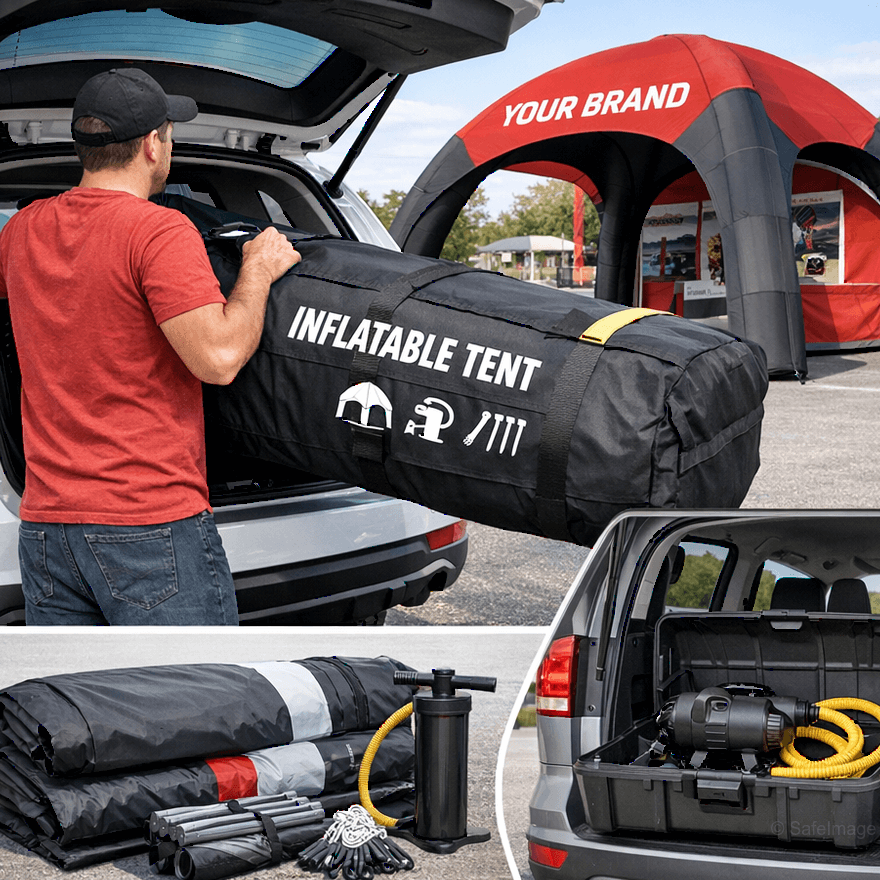
The portability of air tent kitchens is a major advantage, but it comes with some logistical considerations. Air tents tend to pack down smaller and weigh less compared to traditional metal-frame tents, but the addition of kitchen equipment changes the transport dynamic.
It’s crucial to organize equipment loading systematically so that the kitchen components don’t damage the air tent fabric. Soft materials can snag on sharp edges or heavy appliances. Using padded cases or custom racks in delivery vehicles helps preserve both the tent and the gear.
Setting up an air tent kitchen also requires trained personnel familiar with inflation procedures and safety measurements. The speed of setup is appealing, yet if staff are inexperienced, improper inflation can lead to tent instability or uneven flooring, which is risky for kitchen operations.
Investing time in staff training and walk-throughs ensures smooth arrivals and setups, helping your event run without unexpected delays or safety incidents. Moreover, having contingency plans for replacement parts or alternate power supplies for inflators adds layers of security to complex event catering.
Choosing an air tent kitchen involves considering physical setup and practical requirements, along with the realities of your event’s environment and logistical resources. Getting these details right upfront reduces stress and lets the kitchen serve its purpose efficiently, day after day.