The Air Tent House for Outdoor Events
One of the first challenges event planners face when considering an air tent house is matching the right model to the specific needs of their event. Unlike traditional tents that rely on poles and stakes, an air tent house uses inflatable beams for structure, making setup quicker and often more flexible. However, not all air tent houses are created equal.
Size and configuration are critical factors. For smaller gatherings or promotional booths, an air tent house with simple rectangular shapes offers straightforward assembly and clear visibility inside. But if you’re planning something that requires multiple rooms or partitions—say, for a festival or a corporate expo—you’ll want an air tent house designed with modularity in mind. These allow you to connect units or add internal dividers without compromising the structural integrity.
Material choice affects not just durability but also the overall feel. Thicker PVC-coated fabrics tend to resist punctures better, which adds to the longevity of the canopy, especially when facing rough terrain or busy foot traffic. On the flip side, heavier materials increase the weight, which can complicate transport and handling, especially if your crew is limited. Balancing these trade-offs is part of securing the right air tent house for your needs.
Managing Setup and Breakdown with Limited Staff
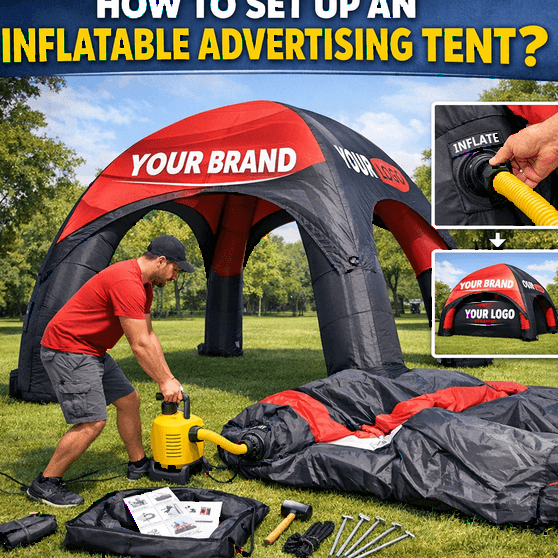
A big advantage often cited for air tent houses is the speed of setup, given that no traditional poles are needed. Still, having the right crew size is essential to avoid frustration and delays. Inflating the tent quickly requires a powerful air pump, and depending on the size of the tent, this might mean having a couple of team members dedicated solely to inflation while others work on anchoring and securing the structure.
Deflating and packing down also require careful coordination. Compressing the air out and folding the tent efficiently to avoid damage demands some experience, especially since the materials can be bulky and heavy once deflated. Teams unfamiliar with air tents often underestimate the time needed for breakdown, leading to tight schedules that can impact transportation or next-day reuse.
Storage conditions after the event warrant attention as well. Air tent houses need to be completely dry before packing to prevent mold and mildew, which can deteriorate the fabric and cause unpleasant odors. The storage space should be cool and away from sharp objects, prolonging the material’s usable life. When working with multiple air tent houses across events, keeping tags or records of repairs and conditions helps track maintenance needs over time.
Weighing Portability Against Structural Stability
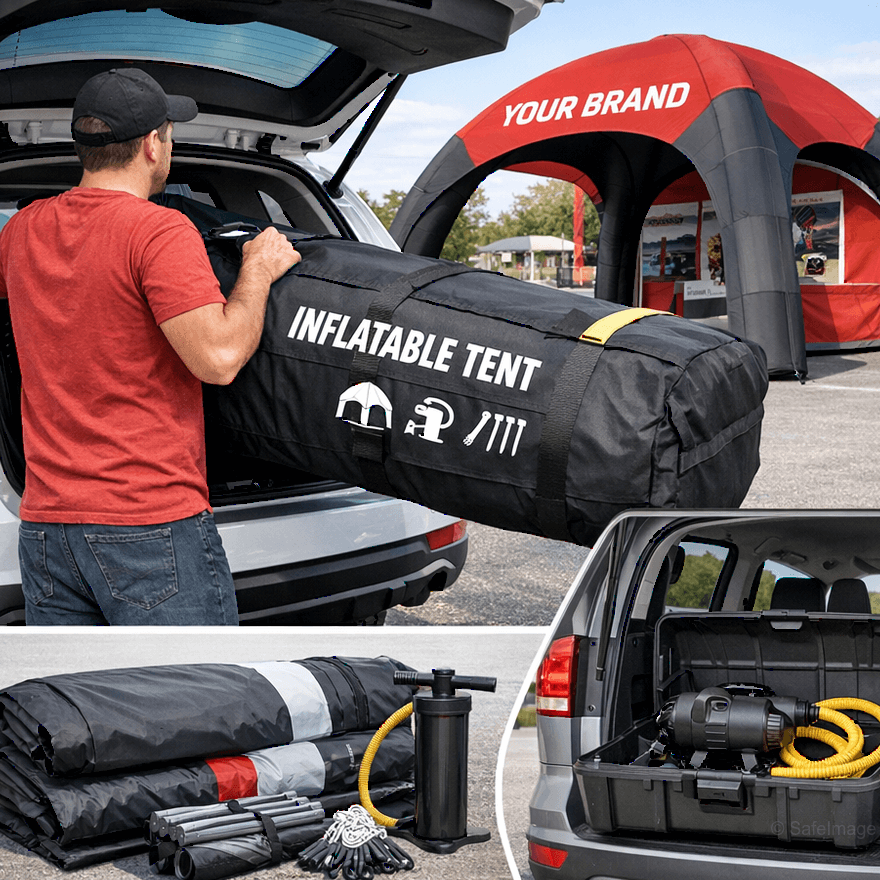
When events move between locations frequently, the portability of an air tent house is a major factor. Inflatable structures are generally lighter than frame tents, but size and fabric weight can still create logistical hurdles. For a typical distributor or rental company, managing the inventory means knowing exactly how many people and what equipment are needed to load, unload, and set up the tents efficiently.
However, the lighter weight sometimes raises concerns about stability, especially in windy conditions. Unlike pole tents which are anchored with tensioned cables and strong frames, an air tent house relies on inflated beams and ground stakes. For secure installation, buyers often need to consider additional anchoring solutions like weighted bags or water barrels in locations where staking isn’t feasible, such as concrete surfaces.
Some clients have expressed surprise at the noise produced by continuous air pumps required for certain air tent house models. If power availability is an issue, that might limit where these tents can realistically be used. There are self-supported designs that hold air pressure without continuous pumping, but those often come with weight and cost increases. Deciding between mobility and structural assurance depends on your event’s environment and access to power.
Custom Branding and Graphics on Air Tent Houses
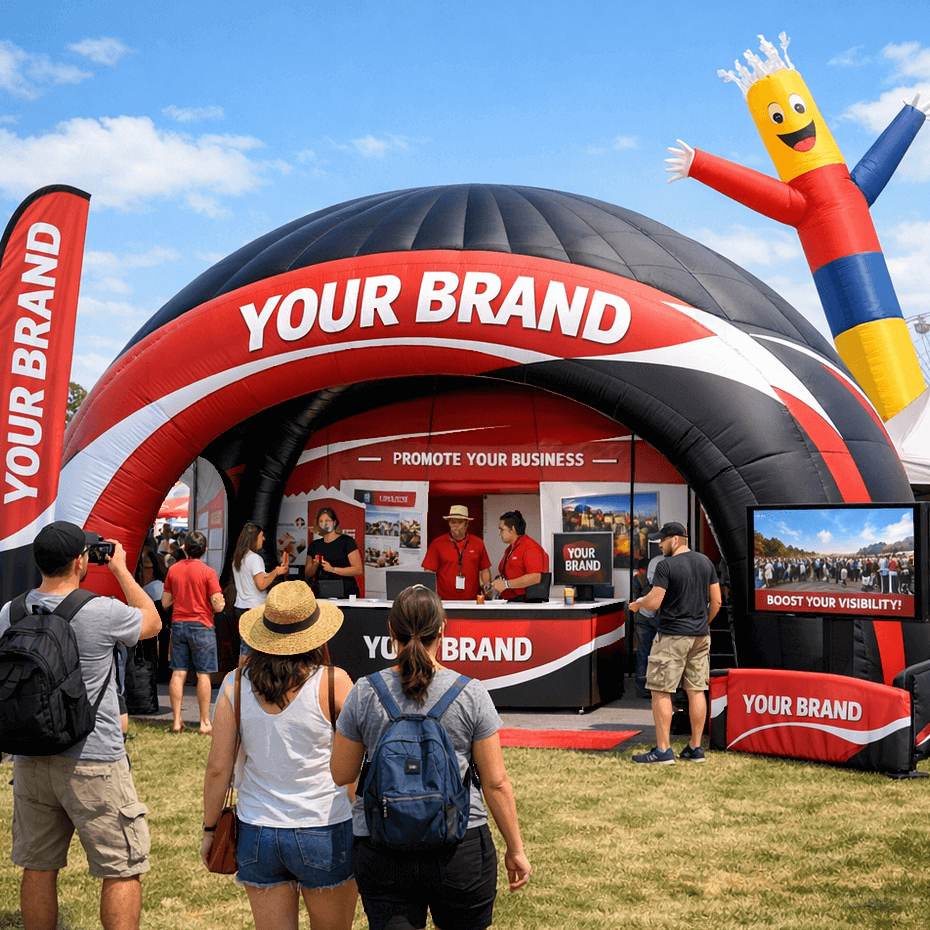
One of the biggest reasons companies choose air tent houses for promotional events is the surface area they provide for branding. Large, smooth walls and roofs create excellent canvases for logos, messages, and vibrant colors. But applying and maintaining these graphics requires some planning.
Printing directly onto the fabric during manufacturing offers durability but removes flexibility. If your events or campaigns change theme or client, swapping out tents can become costly. An alternative is using detachable graphic panels attached with Velcro or zippers, allowing teams to update visuals without investing in multiple tents.
Keep in mind that certain printing methods can affect the fabric’s flexibility or weather resistance. UV printing is popular but may fade under intense sun exposure, while screen printing offers deeper colors and durability but might add weight. Also, heavy inks or coatings could stiffen the fabric, influencing packing and folding procedures.
Cleaning is another consideration. Outdoor events expose air tent houses to dirt, rain, and occasional spills from food or beverages. Graphics need to withstand cleaning agents and scrubbing without peeling or color loss. Typically, a gentle detergent and soft brush work best, but test samples or seek manufacturer guidance to avoid damage.
| Item | Product Model |
|---|---|
| 5137 | inflatable event tent |
Repair and Maintenance Realities for Air Tent Houses
No matter how careful you are with setup and storage, air tent houses develop wear and tear. Punctures and leaks are the most common issues, and knowing how to handle them can keep your investment going longer.
Patch kits are usually included with tents and are vital to carry on every job. Quick diagnostics—looking for hissing sounds or soapy water bubbles—help detect leaks. Some repairs can be done on-site with temporary patches, but for larger damages, manufacturers recommend professional repair to preserve warranty and safety.
Seams and zippers are often weak points. Reinforcing seams might sound appealing but risks affecting flexibility, while zippers may jam or break due to dirt and stress during use. Regular inspections before each event help catch minor issues before they escalate, sparing emergency fixes.
Inflation systems themselves require periodic checks. Pumps need to be maintained, filters cleaned, and hoses inspected for cracks or leaks. Failure here translates to delayed setups and unhappy clients, so training staff on these small maintenance tasks pays dividends.
Weather Considerations Impacting Air Tent House Usage
Despite being designed for outdoor conditions, air tent houses don’t perform equally well in all weather. Wind is probably the biggest variable. High gusts can strain inflatable beams, risking partial or total collapse if not anchored properly. Because of this, some venues or city regulations set maximum wind speeds for tent use, making it vital to have contingency plans.
Rain isn’t usually a deal-breaker, but pooling water on the roof can happen if the design doesn’t promote proper runoff. Pooling adds weight and stress to the fabric and air beams, accelerating wear. Choosing an air tent house with sloped or peaked roofs rather than flat tops improves drainage significantly.
Extreme heat also affects the material. Prolonged sun exposure can cause expansion and contraction cycles that fatigue the fabric and seams. Ventilation matters, too, especially if the tent is used for hospitality or long events. Options for mesh windows or vents can help with airflow but can complicate waterproofing.
Cold weather events bring different challenges, mainly around the flexibility of the fabric and the performance of the air pump. Some materials become brittle in low temperatures, and pumps can lose efficiency. Knowing your regional climate is vital to selecting appropriate air tent house models or planning for alternative shelter solutions.
—
Choosing and managing air tent houses involves practical decisions that weigh convenience against durability and customization against maintenance. Understanding these trade-offs from experience ensures event planners and distributors can provide reliable, functional shelters that meet client expectations without surprises.