The Air Tent for Your Fleet’s Event Needs
Picking an air tent for car display or shelter isn’t just about size and color. There’s a nuanced balance between portability, durability, and ease of setup that can make or break an event. For example, if your team travels frequently to outdoor automotive shows, a lightweight frame that inflates quickly will save precious time and reduce labor costs. But keep in mind, a tent that’s too light might struggle to handle windy conditions or maintain structure over long hours.
Consider the type of vehicles you typically showcase. Compact cars vs. larger models like SUVs or trucks will dictate minimum space requirements, but remember that extra clearance around the edges is critical—not only for aesthetics but also to accommodate lighting rigs or promotional banners. Some air tents for cars offer modular designs or expandable sections, letting you adapt the shelter to different setups without buying multiple units. This flexibility, though practical, often means a steeper price upfront.
Also, don’t overlook the tent material and its impact on weather resistance. PVC-coated polyester is common for sturdiness, but it can add weight, while lighter fabrics might compromise UV resistance, which is key for daytime events. Be aware that high-end materials also influence how the tent handles in rain or dew—excessive stiffness might lead to creases or leaks if not tensioned properly.
Managing Setup and Takedown on Tight Event Schedules
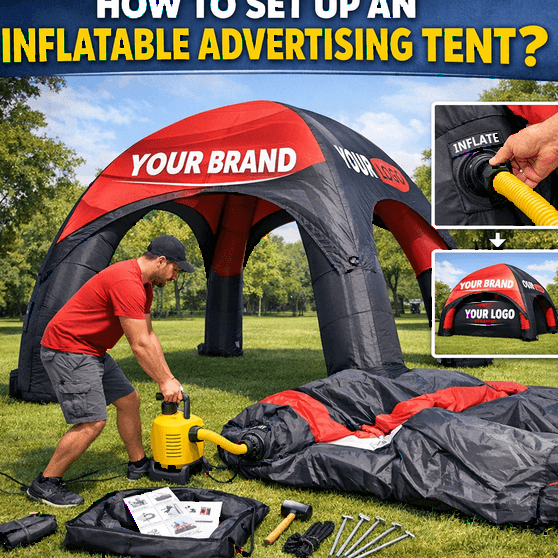
When you’re working a fast turnaround between site arrival and public opening, the air tent for car you choose has to align with your staffing and timing constraints. The biggest advantage of inflatable tents is speed—they can inflate in mere minutes, saving hours compared to traditional pole-and-pin structures. However, staking inflatable tents securely still requires planning, especially on hard surfaces like concrete or asphalt where ground anchors aren’t an option.
On certain jobs, your crew might not have specialists available, so intuitive assembly instructions and intuitive controls matter. Complex valve systems or multiple blowers can cause unnecessary delays or mistakes. It’s worth trialing setup procedures well before an event to identify snags like tangled hoses or local wind conditions affecting inflation. Regular maintenance is also a factor; dirt or tiny tears can impact inflation integrity, which means more downtime just to get the tent ready.
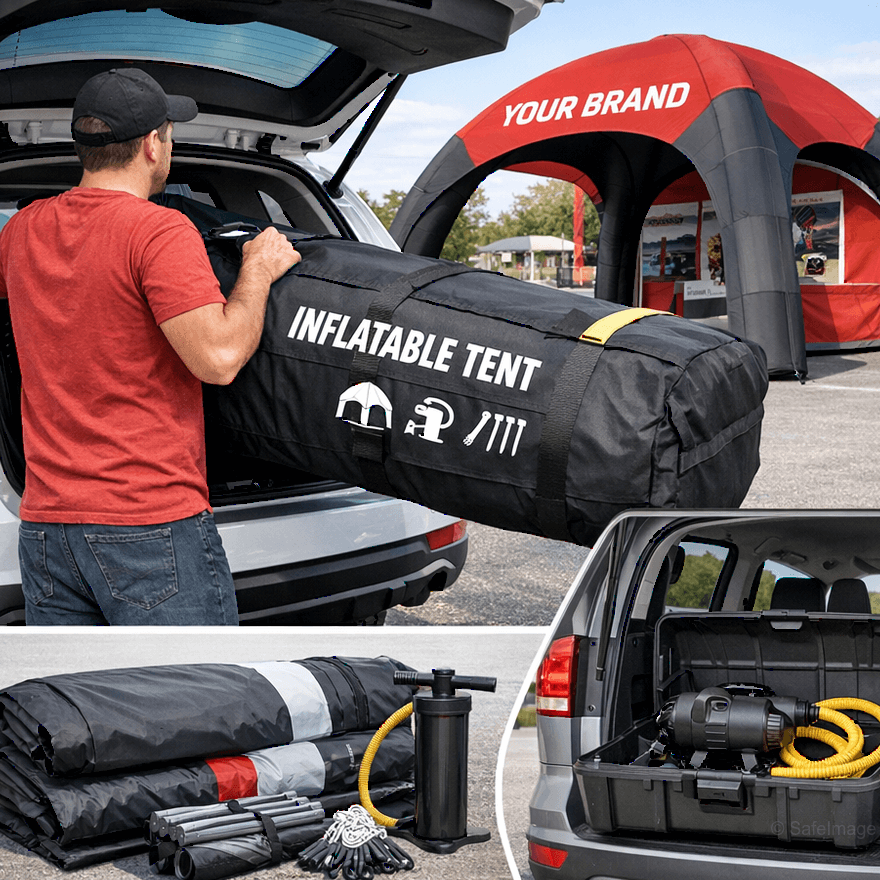
On the flip side, the takedown process is usually straightforward but depends on how packed the event schedule gets. The air must be fully released and fabric folded properly to avoid creases that weaken the structure over time. Some air tents include dedicated storage bags and inflator pumps sized for quick stashing into transport vehicles or warehouse shelves. Compact storage is a key benefit when your inventory is already crowded with other promotional gear.
Balancing Visibility and Branding Opportunities Under Shelter
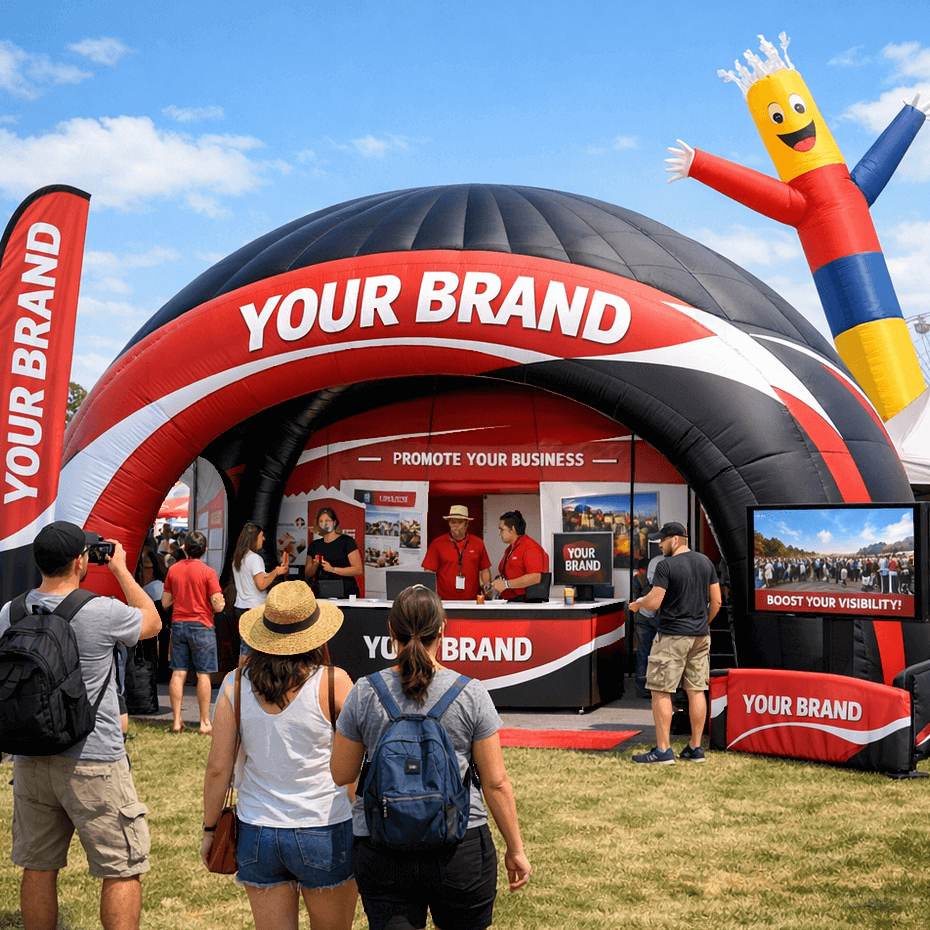
Using an air tent for car displays offers more than just protection—it creates a prime branding canvas. When you plan your setup, think about visibility from all angles. For instance, inflatable arches or roofs with printed logos can draw attention from across a busy trade show floor or outdoor fair. However, placing graphics on curved or flexible surfaces can sometimes distort text or images depending on inflation pressure.
Another practical challenge is the limited space for hanging additional signage inside the tent. Since air tents often omit rigid framework, heavy banners or lighting rigs require alternative support methods like freestanding frames or weighted bases. If you rely on integrated LED lighting for evening showcases, check compatibility with the tent fabric and ventilation to prevent overheating.
Decide early if your branding needs call for full tent wraps or just panels. Full wraps maximize exposure but increase cost and reduce ease of cleaning. Partial branding focused on sidewalls or the roof may be more versatile, especially if you rent out your equipment or need to reuse the tent across various clients and events. Remember, versatility often means choosing neutral base colors and subtle logos that align with multiple campaigns rather than custom prints for standout one-offs.
| Ref | Product Model |
|---|---|
| 9055 | inflatable event tent |
Adapting to Different Weather Conditions with an Air Tent for Car
Weather considerations are more than just a checklist item. Even well-made inflatable tents can struggle if you don’t plan for local climate factors. Rain is a big one—while most air tents for cars are waterproof, pooling water on flat roof panels causes sagging or stresses that risk damaging the structure. Pay attention to the tent’s roof design; angled roofs or integrated water channels help runoff and reduce pressure points.
Wind tolerance is another practical concern. Inflatable tents have no rigid poles, so their resistance to gusts depends heavily on how well they’re anchored and their overall shape. Rounded surfaces typically deflect wind better than flat walls, but the trade-off is reduced usable interior wall space. Reinforced air tubes and double-valve systems help maintain inflation integrity if one section loses air. Still, event planners often add sandbags or weighted bases as a backup.
Temperature extremes also affect the experience inside the tent. On hot days, reflective coatings or mesh ventilation panels can keep the space cooler, though they might reduce waterproofing or privacy. Cold weather challenges include the air pump’s operating temperature and whether the tent fabric stiffens, making inflation more difficult. Running multiple air tents together? Remember that temperature variations can cause slight pressure differences and tension shifts that require periodic adjustments during the event.
Storage and Transportation Considerations for Regular Use
Anyone responsible for logistics knows that an air tent for car is only as good as how easily it fits into the supply chain. Even the most durable and lightweight tents become headaches if their packed size is unwieldy or too heavy for your usual vehicles. Many suppliers offer custom-sized blowers and storage bags that optimize space usage, but the shape and protection provided during transport vary widely.
Think about how you stack and store tents post-event. Inflatable tents tend to be sensitive to sharp edges or punctures, so protective sleeves or compartments in transport vehicles reduce risk. Moisture trapped inside the fabric from incomplete drying can trigger mildew or fabric degradation over time. It’s smart to designate a cleaning and drying area immediately post-event to keep the equipment in top condition.
Handling returns and maintenance contracts also ties into storage choices. Some designs allow partial disassembly or replacement of blowers and valves, while others require entire tent swaps. The easier your tent is to inspect, repair, and refurbish, the longer it will serve your event needs without costly downtime. If you manage multiple air tents, labeling them clearly and tracking maintenance history improves scheduling reliability and asset management—especially when high-demand seasons start back-to-back.
Working Within Budget Constraints Without Compromising Quality
Budgets often create tension between ideal equipment and real-world constraints. An air tent for car can vary dramatically in price based on size, fabrication details, and included accessories like professional-grade blowers or printed graphics. The temptation is to cut corners on tents that look similar but feature thinner materials or fewer reinforcements, which can backfire after just a few events.
Understanding where to allocate spend is crucial. Investing in higher-quality inflators saves money on replacements and reduces inflation time. Durable fabrics and welded seams might cost more upfront, but they lower the chances of leaks and fabric fatigue. Accessories such as ground protection mats, stakes, or weighted bags might seem optional but become essential for safe and stable setups—especially where vendor liability is a concern.
For distributors or event operators renting tents, balancing initial investment and ongoing repair costs is a tightrope walk. Bulk purchasing or working directly with manufacturers sometimes unlocks more favorable terms on warranty and service. Don’t overlook the value of easy-to-clean tent surfaces to reduce labor hours after every event. Follow the realistic caveat that cheaper tents can serve occasional uses well enough, but frequent deployment demands more robust gear that stands up to repetitive stress.
By focusing on long-term usability and operational efficiency, your decision on an air tent for car will better match the expectations of clients and audiences alike.