Choosing the Right Air Tent Brand for Your Event Needs

Selecting an air tent brand isn’t just about picking the flashiest model or the one with the biggest canopy. Different brands offer various trade-offs relating to durability, ease of setup, and customization options that can significantly impact how your event runs. For professional buyers and event planners, it pays to consider the specific conditions your event will face and the skill level of the crew handling the tents.
Some air tent brands emphasize rapid inflation and portability, making them ideal for events that require fast assembly and breakdown, such as trade shows or street festivals. Others focus more on robustness and versatility with thicker fabrics and customizable sections, which are better suited for multi-day outdoor festivals or corporate gatherings where stability in wind and rain is crucial. Knowing these nuances helps avoid unnecessary downtime or last-minute fixes on the event day.
Balancing Weight and Durability: What to Expect from Air Tent Brands
There’s often a direct trade-off between the weight of an air tent and how sturdy it actually is. Lighter tents from certain air tent brands can be a godsend when shipping and transportation costs are a concern, or if your crew needs to move quickly between locations. However, these models may rely on thinner materials or minimalist support structures that might not handle harsh weather as well.
On the other hand, heavier air tents with thicker fabrics and reinforced seams tend to last longer but require a bit more muscle and time to set up safely. These tents are less prone to tears or blowouts, especially when used repeatedly over multiple events or seasons. If you frequently work in windy or rainy conditions, it’s worth thinking about how much sacrifice in speed is acceptable for a tent that stands up to the elements.
Customization and Branding Options: Picking a Brand That Works for Marketing
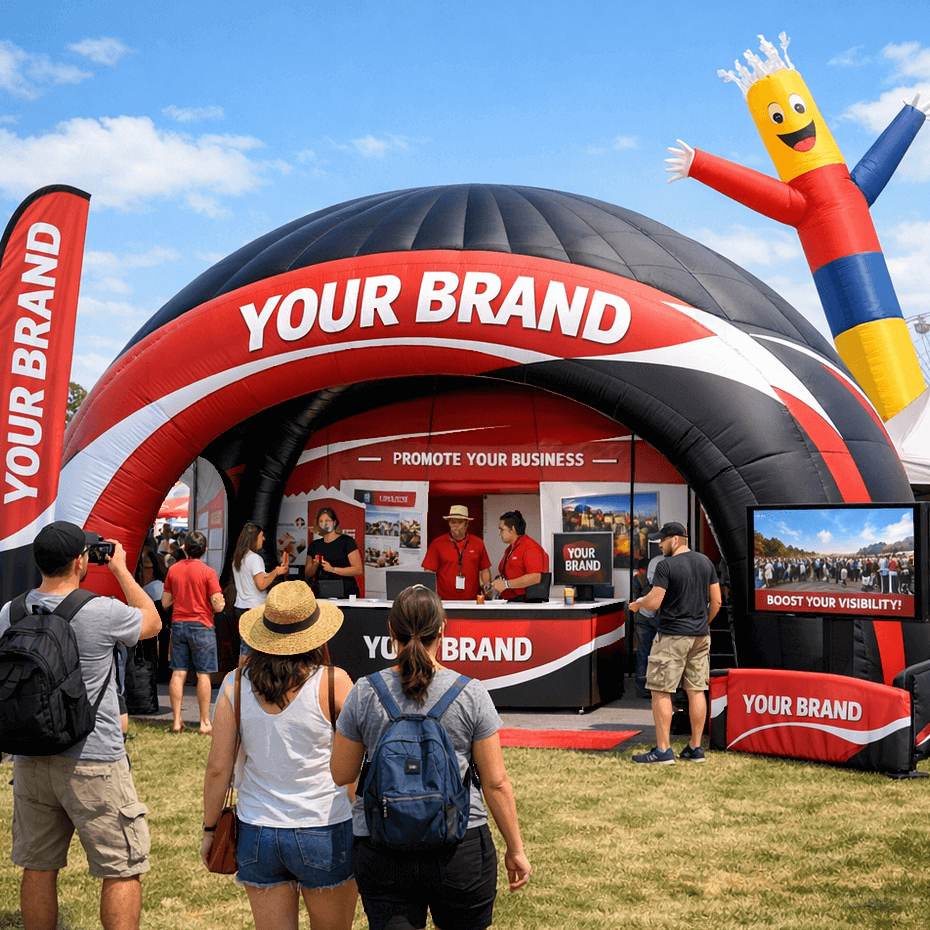
For many distributors and event planners, the ability to customize the tent surface is a big factor. Air tent brands vary widely in how they accommodate branding — from printed logos and full-wall graphic wraps to interchangeable panels or colors. It’s important to factor in how your client or event organizer plans to use the tent visually.
Some brands offer proprietary printing systems that guarantee high-quality images and colorfast materials but can tie you into specific vendors or processes. Others provide more modular panels or removable covers, which let you refresh or change branding with less hassle but might come at the expense of seamless visuals. Choosing a brand based on how you want to integrate marketing materials into your tent will drive the ease of collaboration and turnaround times when managing various events.
| Number | Product Model |
|---|---|
| 6336 | inflatable event tent |
Storage and Maintenance: How Different Air Tent Brands Hold Up Over Time
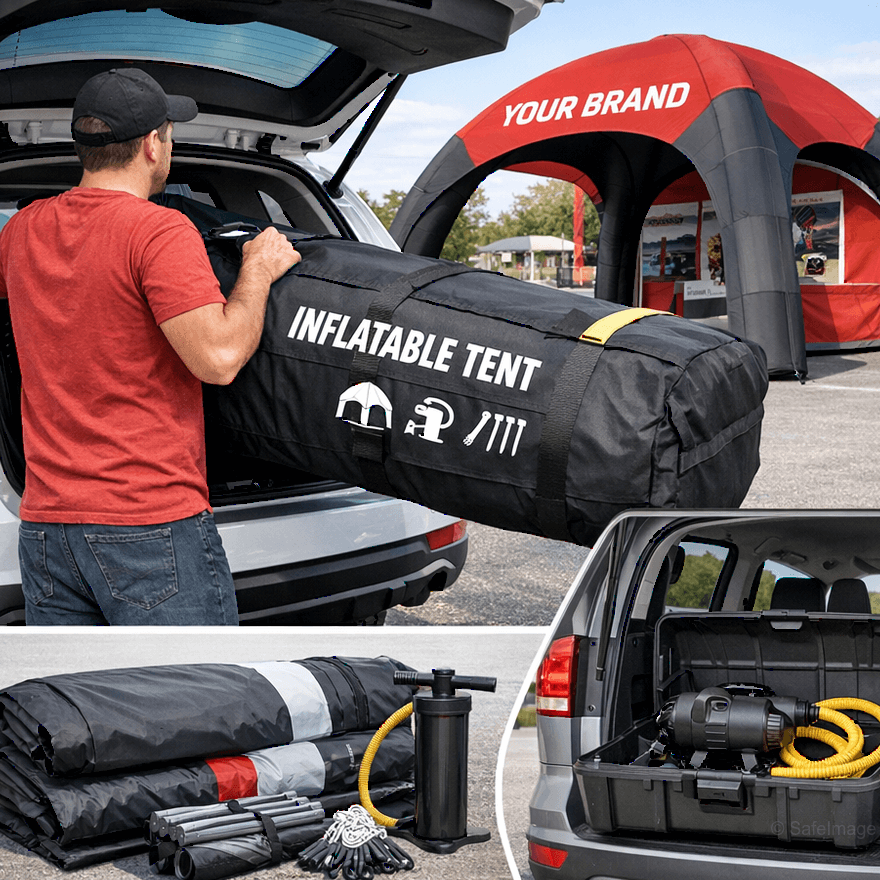
Routine maintenance is often overlooked when choosing an air tent, but it’s a practical concern that can affect overall cost and longevity. Some air tent brands supply more durable storage bags, protective covers, and clear maintenance instructions that extend the lifespan of the product. Others may require more frequent cleaning or specialized repairs, especially those that use complex air-inflated structural systems with multiple chambers.
Keep in mind how much time and effort your team can realistically spend on maintaining the tent between events. If you’re running a rental operation, you’ll want a tent that recovers well from heavy use and has replacement parts readily available. Brands with robust after-sales support or parts availability make managing your inventory simpler and reduce downtime.
Inflation Systems and Setup Complexity: What Your Crew Needs to Know
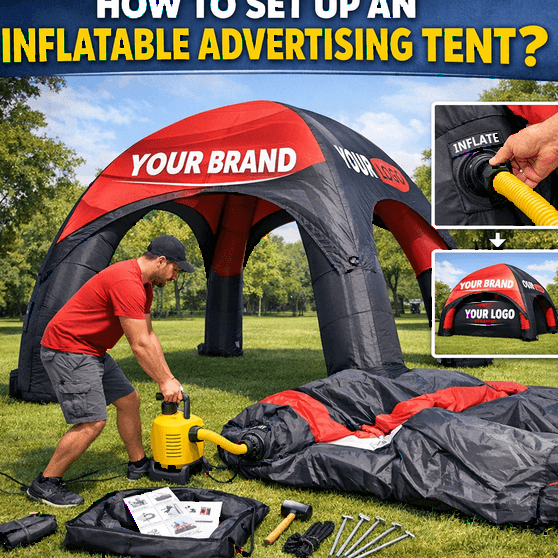
The inflation mechanism — often a deciding feature listed by air tent brands — varies in terms of complexity and reliability. Some tents come with a single inflation point using an electric pump that can fill the structure in under five minutes, while others use multiple chambers that need sequential inflation. The difference affects not only the time it takes to get the tent up but also how easy it is to handle if something goes wrong.
Professional buyers should consider the training level of their staff or subcontractors. If the crew is used to traditional pole tents, switching to an air-inflated system can involve a learning curve. Brands offering straightforward setups or clear instructional materials can save you headaches. Conversely, more advanced systems that enhance stability or modularity might require a bit more patience to master but offer benefits in the long run.
Longevity and Warranty: What to Look for Beyond Price
Price is obviously a factor, but weighing it against the warranty and lifespan of the product is crucial. Air tents from brands that back their products with comprehensive warranties tend to have more durable designs and manufacturing standards — which means fewer hassles and unexpected expenses. Be upfront with your suppliers about expected usage intensity and event conditions; some brands might offer extended warranty packages if you register the product or perform scheduled maintenance.
Also consider that cheaper tents may need replacing or repairs more frequently, which adds up quickly. When budgeting for tent purchases, a slightly higher upfront cost can be justified by lower failure rates and return on investment when your tent outperforms its competitors season after season.
Choosing the right air tent brand means matching your priority — whether that’s quick setup, durability, customization, or ease of maintenance — to a product designed to meet those demands. This approach tends to save both cash and time across the whole event planning lifecycle.