Choosing the Right Air Tent Blackout for Outdoor Events
One of the first challenges event planners face when working outdoors is controlling the environment inside a temporary structure. An air tent blackout system can make a significant difference, especially for events that require controlled lighting or privacy. Unlike traditional tents, air tents use inflatable beams for structural support, making setup and teardown faster and less labor-intensive. However, the blackout element introduces practical considerations.
A blackout feature usually means a thicker, specially coated fabric that blocks out sunlight and reduces heat transfer. This is great for trade shows, presentations, or film screenings where ambient light can ruin the effect. But adding blackout materials makes the tent heavier, which can impact transport and installation times. It’s also crucial to consider the tent’s ventilation; without proper airflow, these structures can get stuffy and uncomfortable, especially in warmer weather. When weighing your options, look at how the manufacturer balances weight, ventilation, and blackout functionality.
Handling Ventilation and Temperature Control Issues
Air tent blackout configurations are excellent for keeping out light, but they often come with drawbacks related to airflow and temperature regulation. The dense blackout fabric minimizes air exchange, so humid or hot conditions inside the tent can quickly become uncomfortable for attendees or guests, especially during multi-hour events.
Event planners often compensate by incorporating HVAC systems, fans, or vents. However, this requires extra equipment, power sources, and setup time, which may not be feasible on tight budgets or tight schedules. Some suppliers offer blackout fabrics with integrated mesh panels or specially designed ventilation ports, but these reduce the level of blackout achieved. Think carefully about your climate, event duration, and comfort needs before opting for a fully blackout air tent.
Transport and Storage Considerations for Blackout Air Tents
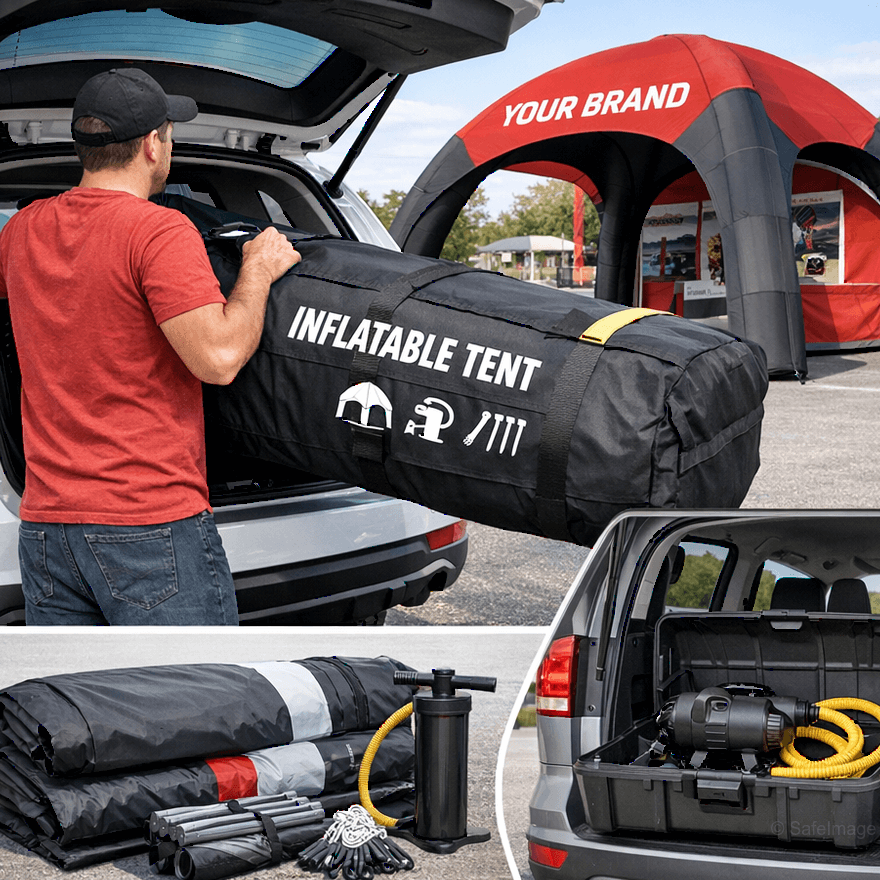
When investing in air tent blackout systems, practical logistics like transport and storage are often underestimated. Due to the dense blackout material and the inflatable beams, these tents typically occupy more volume and weigh more than similar-sized standard air tents. This affects how you handle shipping and storage between events.
If your event locations vary a lot, having a tent that is cumbersome to transport could lead to increased costs and logistical headaches. You might require larger vehicles or extra hands on deck for setup. Storage space is another aspect; blackout tent fabrics are bulkier and may need careful folding or rolling to avoid damage. Selecting an air tent blackout system designed with modular components helps ease handling, but it usually involves a trade-off with price.
| Code | Product Model |
|---|---|
| 2490 | Inflatable Event Tents |
Durability and Maintenance of Blackout Materials
Choosing blackout materials means accepting different maintenance requirements compared to regular tent fabrics. Blackout coatings and heavier fabrics are prone to wear and tear in different ways, particularly when frequently folded or exposed to harsh weather conditions. UV exposure can degrade the blackout coating over time, reducing its effectiveness.
A frequent mistake is treating blackout air tents like any other tent, expecting similar lifespan and durability. These materials require specific cleaning agents and drying procedures to prevent mold or damage to the blackout layer. Repairing a blackout tent can also be more complex; patches must match not just the fabric but the blackout coating to maintain functionality. Understanding these trade-offs helps set realistic expectations about lifespan and upkeep costs, ensuring you maintain the tent’s performance over time.

Adapting Air Tent Blackout for Branding and Customization
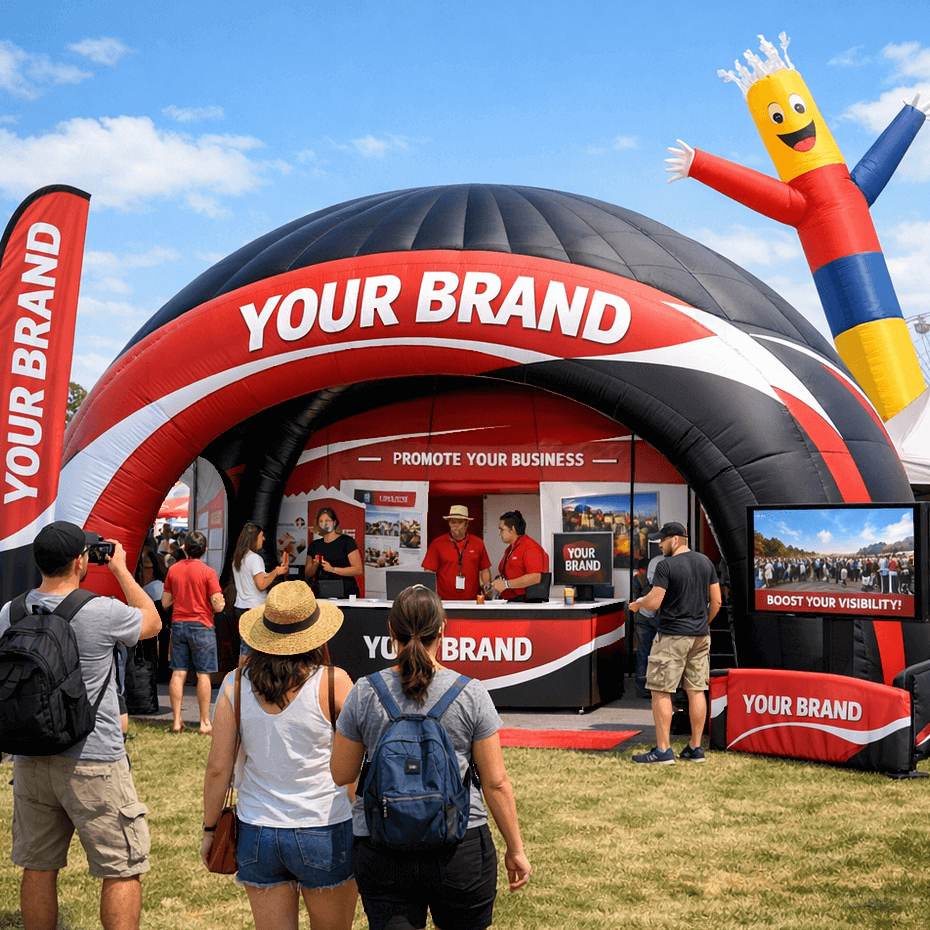
Brand visibility is key at trade shows or promotional events, and many planners want to customize their air tent blackout structures with logos or thematic graphics. Applying branding to blackout fabrics can be tricky—the surface is thicker, often with a matte finish that doesn’t take typical printing or vinyl application the way standard tent fabrics do.
This difference means extra care in choosing the right printing technology and materials that won’t peel or crack when the tent folds. Screen printing or dye sublimation designed for industrial fabrics can work well, but it’s something that needs to happen during manufacturing or before assembly. Retrofitting branding on an existing air tent blackout might prove costly or impractical. Consider involving your supplier early in the planning process to coordinate custom branding correctly.
Evaluating Setup Time and Workforce Needs
The setup and takedown time for air tent blackout structures can vary significantly based on design and crew experience. Inflatable beams reduce the number of poles, which speeds assembly, but blackout fabrics are heavier and less flexible. You can expect to spend more time unfurling, positioning, and securing the tent than you would for simpler air tents.
If your event staff isn’t familiar with handling blackout fabrics or the inflation systems, setup delays are common, potentially impacting event timing and budget. In complex setups, a professional crew might be necessary, adding to labor costs. However, investing upfront in training or standardized process sheets helps streamline operations in the long run. Assess the balance between ease of setup and the performance benefits blackout air tents provide to make operational decisions that align with your event’s scope.
Managing the trade-offs with air tent blackout equipment involves more than just focusing on the blackout function itself. From environmental control and logistics to maintenance and branding, practical experience reveals the nuances that can mean success—or frustration—in event execution. Keeping these real-world considerations front and center helps you select and utilize blackout tents that truly fit your event’s needs.