Exploring the Disadvantages of Inflatable Tents
Handling Harsh Weather Conditions
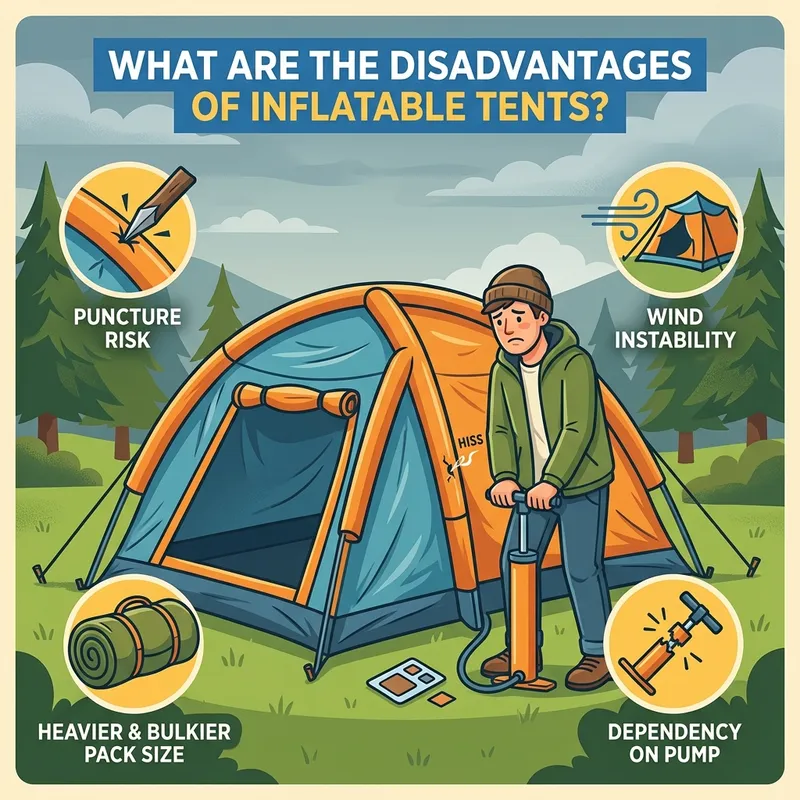
When considering the use of inflatable tents for events, one of the primary concerns that often arises is their ability to withstand harsh weather conditions. While inflatable tents are generally designed to be durable and weather-resistant, they may not fare well in extreme weather situations such as heavy rain, strong winds, or snowstorms. It is important for event planners and distributors to be aware of the limitations of inflatable tents in adverse weather, as they may require additional support or reinforcement to ensure safety and stability.
Maintenance and Repairs
Another potential disadvantage of inflatable tents is the maintenance and repair requirements associated with their upkeep. Over time, inflatable tents may develop leaks, tears, or other issues that need to be addressed promptly to prevent further damage. This can result in additional costs and downtime for businesses that rely on inflatable tents for their operations. It is essential for users to have a maintenance plan in place and to be prepared for unexpected repairs to keep their inflatable tents in optimal condition.
Set-Up and Take-Down Effort
While inflatable tents offer the convenience of quick and easy set-up compared to traditional tents, they still require effort and time to inflate and deflate properly. Event planners and distributors need to factor in the time and manpower required to set up and take down inflatable tents, especially for large-scale events or frequent use. Additionally, proper training may be necessary to ensure that the tents are inflated and secured correctly to avoid any safety hazards or malfunctions during events.
Limited Customization Options
Inflatable tents come in various shapes, sizes, and designs, but they may have limitations when it comes to customization. Unlike traditional tents that can be easily customized with different materials, colors, and branding, inflatable tents may have restrictions on how much they can be personalized. This can be a drawback for businesses looking to create a unique and branded experience for their customers or attendees. Understanding the limitations of customization with inflatable tents is crucial for making informed decisions on their use for specific events or promotions.
Storage and Transportation Challenges
One practical concern with inflatable tents is the storage and transportation logistics involved in owning and using them. Due to their inflatable nature, these tents require proper care and storage to prevent damage and ensure longevity. Finding adequate space to store large inflatable tents when not in use can be a challenge for businesses, especially those with limited storage facilities. Additionally, transporting inflatable tents to different event locations may require special arrangements and considerations to ensure they arrive safely and intact.
Cost Considerations
While inflatable tents offer many benefits in terms of portability, quick set-up, and eye-catching designs, they can also come with a higher price tag compared to traditional tents. The initial cost of purchasing inflatable tents, along with ongoing maintenance and repair expenses, can add up over time, impacting the overall budget for events and marketing campaigns. Understanding the cost considerations associated with inflatable tents is essential for businesses to evaluate their return on investment and determine if the benefits outweigh the disadvantages in the long run.
By taking into account the disadvantages of inflatable tents and addressing them proactively, professional buyers, event planners, and distributors can make informed decisions on whether these versatile and innovative structures are the right fit for their specific needs and requirements. While inflatable tents offer numerous advantages for outdoor events, promotions, and recreational activities, being aware of their limitations is key to maximizing their effectiveness and ensuring a successful outcome for all stakeholders involved.