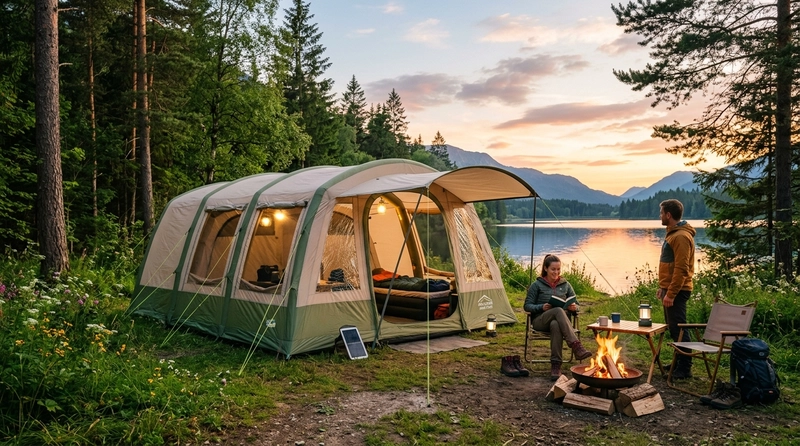
The Size for Your Single Car Tent
When selecting a single car tent, one of the first practical concerns is ensuring it fits the vehicle properly. Not all cars are created equal—compact cars, SUVs, and pickup trucks vary widely in size, and the tent you pick needs to accommodate these differences without being too tight or too loose. Too snug a tent risks difficulty during setup and may scratch the vehicle. On the other hand, an overly large tent can be cumbersome to handle and inefficient in terms of space and protection.
Consider the overall dimensions of the car, including side mirrors, roof racks, or any attachments that could affect how the tent fits or anchors. You also want to think about clearance between the car and the tent walls for some airflow and easy access. Some single car tents come with adjustable widths or side panels to better fit different shapes.
It’s also worth checking the minimum and maximum height the tent supports relevant to your vehicle’s profile. Tall SUVs or trucks sometimes require tents with higher roofing to prevent damage and make entry easier. Taking precise measurements beforehand prevents surprises during installation and use, which can be a headache at an event or job site.
Material Choices and Weather Considerations
A lot rides on the materials used in a single car tent, especially regarding durability and weather resistance. Polyester fabrics are common because they dry quickly and resist UV rays, but look at the denier rating as well. Higher denier tents tend to be tougher and last longer, though they can be heavier and bulkier to transport.
Water resistance is crucial even if the event is outdoors only for a day or two. Look for tents with PU coatings or taped seams to avoid leaks. Pay attention to whether the tent fabric breathes well because a non-breathable tent traps moisture inside, which can cause condensation on your vehicle and gear.
Wind resistance is another factor rarely addressed upfront but can significantly affect usability. A single car tent with strong frame construction—usually steel or reinforced aluminum—offers better hold in windy conditions. However, heavier frames add to the weight and storage size, which might be inconvenient if you move locations frequently.
Some tents include extra storm flaps or guy lines to improve stability, so consider locations where you expect windy or rainy conditions. Balancing durability with portability often defines the success of your setup. There’s always a trade-off between lightweight convenience and rugged performance, depending on how often and how long the tent gets used.
Ease of Setup and Breakdown for Busy Schedules
Time constraints and efficiency shape many event planners’ decisions in picking a single car tent. Often, a quick setup matters more than the most durable materials if your schedule is tight or you have multiple stops in one day.
Look for tents designed with pop-up frames or quick-lock systems. These allow one person to erect the tent without specialized tools in minutes, which is a massive help when working solo or with a small crew. On the flip side, very simple frames might compromise stability or longevity.
The weight itself impacts setup. Heavier tents provide more stability but can slow you down and increase labor costs; lighter tents are easier to carry but might require additional stakes or anchoring methods to keep them put.
Don’t overlook how the tent packs down. Some tents fold up into compact bags that fit into car trunks or storage lockers easily, while others might need larger vehicles just for transport. This has practical implications when you’re constantly on the road.
Also, check how intuitive the instructions are and whether replacement parts like poles and stakes are readily available. A complicated setup in the field with broken components can waste valuable time and potentially harm client relationships.
Functional Design and Customization Options to Match Your Brand
From a distributor or event planner perspective, the look and branding capacity of a single car tent can make a difference. Many tents have blank or customizable panels perfect for printing logos, taglines, or event messaging.
Choose tents with removable or interchangeable sidewalls so you can switch layouts depending on event needs—open-air for fairs or enclosed for cold weather. Windows and doors should be easy to open and close securely, too.
Color options vary widely, so think about how the tent’s hue will look against your branding or the event backdrop. Dark tents absorb heat but may fade faster in sunlight; lighter colors keep temperatures down but show dirt more quickly.
Some manufacturers offer add-ons like shelves, hooks, or internal lighting attachments, which can help during promotional activities or product demos. Remember that every extra feature can add to the weight, cost, and setup time, so pick options based on actual necessity, not just flair.
Customization also involves considering how many tents you can link together or stack for larger coverage if you handle multi-car demonstrations or fleet presentations. This flexibility sometimes saves money and logistics headaches compared to renting larger single setups.
| Code | Product Model |
|---|---|
| 3738 | inflatable air tent house |
Storage, Transport, and Longevity
A single car tent’s lifespan depends largely on maintenance and storage habits, yet these details often get overlooked during purchase. Proper packing to avoid fabric tears or pole bends has a huge impact over time.
Look for tents with durable carrying bags and compartments for small parts. Investing in a quality storage case prevents damage during transport whether you’re hauling by car or shipping to remote sites. Mold and mildew become risks if tents are stored damp or squeezed into tight spaces, so always dry and fold tents carefully after use.
Consider accessibility for repairs. Can you easily replace tent fabric without buying an entirely new unit? Are frame parts standardized or proprietary? Keeping replacements or spare parts on hand minimizes downtime.
Weight and compactness factor into how many tents you can store in your inventory or warehouse space—something distributors must weigh when managing stock.
Finally, if your single car tent sees varied use across seasons, think about fabrics and frames suited to the toughest expected conditions. A tent good for sunny indoor events might not hold up well in winter rains or high winds.
Practical Implications of Tenting Choices for Event Success
Choosing the right single car tent really comes down to understanding the interplay of size, material, ease of use, and design features within your particular event context.
If you’re running pop-up demos, the convenience of quick setup and lightweight designs often outweighs maximum durability. For longer-term signage or brand activations, you’ll lean toward heavier, more reinforced models that handle weather fluctuations and repeated use.
Planning for the worst weather within reason—rain, sun, wind—avoids downtime and the embarrassment of a failed shelter. At the same time, cutting costs on convenience features could slow your crew and frustrate clients.
By balancing practical trade-offs based on how you work, not just what looks good on paper, your choice in single car tents can save time, reduce hassle, and elevate your professionalism at the next event.