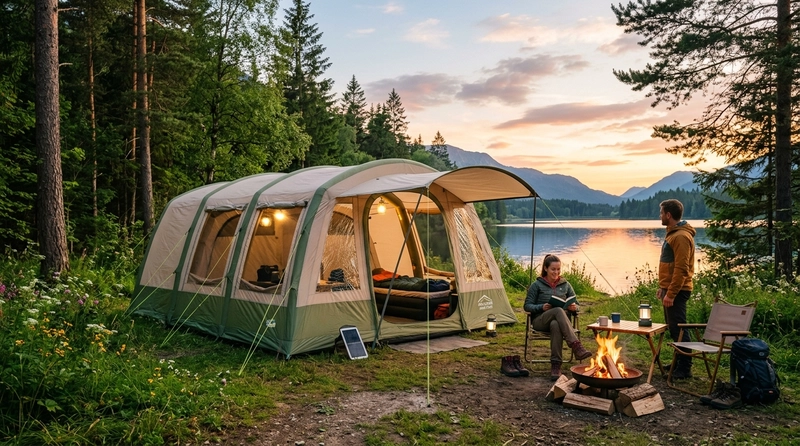
Roof Tent Car Setup for Your Event
When planning events that involve overnight stays or immersive outdoor experiences, the choice of roof tent car setup can significantly affect both logistics and attendee comfort. Roof tents offer a clever way to provide shelter without requiring extra ground space—a major advantage at crowded outdoor venues or locations with uneven terrain. However, not all roof tents perform the same across every vehicle type. The trade-off often comes down to size versus ease of use. Larger tents with multiple sleeping compartments offer more comfort but add considerable weight and bulk, potentially impacting your vehicle’s fuel consumption and handling.
Smaller, streamlined roof tents are easier to install and remove, and they reduce wind resistance, especially for prolonged drives or when multiple vehicles are traveling together. That said, they might be cramped and less inviting for attendees planning to stay longer or looking for extra headroom. For event planners, coordinating with suppliers who understand your specific vehicles and event terrain can make or break the camping experience.
Weighing Durability Against Portability
Suppliers in the roof tent car space often face a balancing act between durability and portability. Rugged tents, built to withstand severe weather and repeated use, tend to be heavier and bulkier. That increased weight impacts not just your vehicle’s roof load limits but also the ease with which staff or participants can handle the gear. Lighter models, while easier to manage, may compromise on materials that withstand harsh conditions.
For professional buyers organizing multi-day events with clients expecting premium setup, the durability of the tent’s frame, canvas, and zippers is crucial. Damages mid-event mean unexpected downtime or increased maintenance costs. On the other hand, distribution companies managing inventory across different clients or locations often prioritize versatility and ease of transport. They might lean toward models with modular designs or tents that pack down smaller. This choice reduces shipping complexity and storage space but might limit the features or longevity of each tent.
Installation and Vehicle Compatibility Considerations
Roof tent car compatibility isn’t just about mounting brackets. Various car models have different roof load ratings, rack dimensions, and roof shaping. A tent that fits a Toyota Land Cruiser won’t automatically be a good match for a smaller SUV or crossover. For event planners renting vehicles or working with multiple clients, this is an essential factor to check early in the planning phase.
Installation time also matters in fast-paced environments. Some roof tents require tools and two or more people for installation, which can slow down setup and add labor costs. Others feature quick-lock systems designed for rapid mounting and dismounting. These options are useful in scenarios where vehicles shuttle attendees between multiple event sites overnight.
You should also consider security during installation. Tents exposed on public streets or unsecured lots can become targets for theft or vandalism. While roof tent locks aren’t foolproof, tents with integrated locking mechanisms or tamper-resistant hardware add a layer of confidence important in event settings.
Maintenance Demands and Longevity Expectations
A roof tent car investment doesn’t end with delivery and setup. The maintenance required to keep tents functional and looking good plays a role in total cost and usability. Tents used by event rental companies endure frequent folding and unfolding, exposure to dirt, moisture, and occasional accidental damage while transported.
Canvas care is one of the most common maintenance headaches. High-quality tents include water-resistant and UV-protected fabrics, but over time even these wear out, requiring cleaning, waterproofing treatments, or fabric replacement. Zippers and hinges demand regular lubrication to prevent jams and rust, especially after exposure to rain or coastal environments.
For buyers, asking about recommended service schedules and the availability of replacement parts upfront helps avoid surprises. Some roof tent car models come with detachable covers and easily replaced components, designed specifically to support extended rental or event-use lifecycles.
| ID | Product Model |
|---|---|
| 5406 | inflatable tent |
Storage Challenges for Event Planners and Distributors
Once the event wraps, storing roof tent equipment efficiently matters more than many first consider. Roof tents aren’t flat or collapsible like traditional camping gear, so they occupy a considerable footprint. For event planners managing a fleet of tents, space in warehouses or storage facilities is at a premium.
Some tents fold into compact, aerodynamic shapes that can be stacked safely or stored on shelving. Others maintain rigid profiles or require careful padding to avoid damage during storage. Distributors often juggle multiple tent models and sizes, so standardizing on tents that share parts or storage methods can save time and reduce inventory errors.
Another point bearing on storage: off-season protection. Tents packed away wet or stored in damp conditions can develop mold or mildew, deteriorating fabric and shortening lifespan. Developers of roof tent car products have improved fabric treatments significantly in recent years, but proper storage solutions—such as breathable bags or dedicated, climate-controlled shelving—should be part of any professional buyer’s plan.
Tailoring Roof Tent Choices to Event Scale and Budget
Bigger events with large attendee numbers usually demand multiple roof tents, making budget efficiency paramount. Larger tents may reduce the number needed, but each carries higher upfront costs and increased installation complexity. Smaller units can be rotated between vehicles and event locations, potentially offering more flexibility.
Budget constraints can also influence how much you invest in tents with special features like integrated LED lighting, mattress quality, or quick-deploy mechanisms. Forgoing some luxury options may boost durability and streamline maintenance, which is often more valuable in ongoing, high-use scenarios.
Deciding what balance works best usually comes from real-world experience. Working with a supplier knowledgeable about the typical pressures and workflows of event-based roof tent car usage can lead to smarter choices—ones that ensure your tents are ready to go, comfortable for guests, and sustainable over many event cycles.