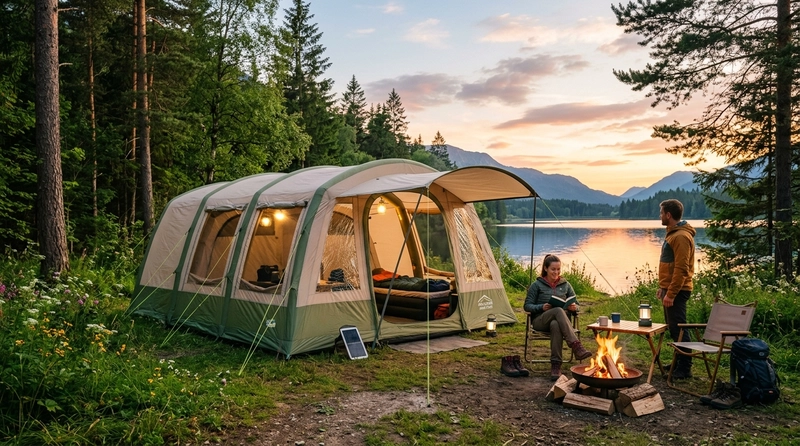
Size for Your Promotion Inflatable Tent
Selecting the appropriate size of a promotion inflatable tent is one of the first decisions to make, and it’s rarely straightforward. Bigger isn’t always better. Sure, a large tent creates a strong presence, but it can be cumbersome to transport and set up, especially if your event staff is limited. Conversely, smaller tents are easier to handle but may not provide enough space for the branding, product displays, or customer interactions planned.
Think about where you’ll be setting up most often. Is the event space wide open, or is it a crowded trade show floor where space is restricted? Outdoor festivals might allow room for something larger, while indoor venues might demand more compact solutions. Starting with a clear understanding of your venue constraints will help avoid surprises on installation day.
Height also plays a role. A taller tent can increase visibility from a distance, but local regulations or height clearances can become an issue. It’s worth checking ahead to avoid complicated adjustments on-site.
Material Choices and Durability Considerations
Not every inflatable tent is built to last the same way, and material choice is a big factor in how your promotion inflatable tent performs over time. PVC-coated polyester and oxford fabric are popular options, each with their pros and cons.
PVC-coated fabrics tend to be more rigid and weather-resistant, suited for outdoor use where rain or wind is a factor. However, they can also be heavier, making handling a bit more strenuous. Oxford fabric options are lighter and often more breathable but may require additional coatings to achieve the same level of water resistance and durability.
Repeated inflation and deflation cycles put stress on the seams and zippers. Reinforced seams and quality fastening methods can extend the life of your tent if you’re planning for frequent use. If you’re budgeting for long-term use, it pays off to invest in better materials upfront rather than coping with repairs or early replacements.
Branding Flexibility: Printing and Graphics Options
A promotion inflatable tent’s value largely depends on how well it communicates your brand’s message. Most tents come with printable surfaces, but the extent of customization varies. Consider how often your branding needs might change. If your marketing campaigns shift regularly, detachable fabric panels or interchangeable graphic sleeves might be a practical solution.
The printing quality and method matter too. Digital printing offers vibrant colors and detailed logos, but it can be more sensitive to fading if exposed to harsh sun for long hours. Screen printing tends to be more durable but might limit the number of colors or complexity of your design.
Be realistic about the visibility angles. While the front-facing panels get the most attention, side and back panels shouldn’t be neglected in a busy event environment. Make sure your designs work well from various distances and lighting conditions. You don’t want your main message to be lost just because one side is blank or the colors aren’t contrasting enough.
Setup and Transport: What to Expect on the Ground
Your promotion inflatable tent might look sleek on paper, but how it goes together and breaks down matters far more in practice. The weight and bulk when packed can surprise those used to traditional pop-up tents. You might need a vehicle with adequate space, possibly a van or a larger SUV.
Setup times vary as well. Some models inflate within minutes, which is great for tight schedules, while others require more effort and monitoring to ensure an even, secure setup. High-capacity blowers might be necessary, and these come with their own power requirements and noise considerations.
Once inflated, stability comes into play. Strong anchors and tie-downs are necessary for outdoor setups, especially in windy conditions. If the ground isn’t suitable for stakes, sandbags or weights must be factored in, adding to the logistical complexity.
Cleaning and maintenance after use also require some attention. Dirt and moisture can collect around zippers and seams, so thorough cleaning and drying extend the tent’s usable life. Having a standard post-event routine for care is wise.
| No. | Product Model |
|---|---|
| 2488 | car camping tent |
Weather and Environmental Challenges to Keep in Mind
Handling an outdoor event means dealing with unpredictable weather, and your promotion inflatable tent must be up to the task without becoming a liability. Wind is often the biggest challenge. While these tents are designed to be stable, sudden gusts can cause movement or damage if not properly secured.
Rain is another consideration. Some tents feature waterproof fabrics and sealed seams, but pooling water on the roof can cause sagging. The tent design should promote water runoff, or you’ll need to intervene manually during prolonged rain.
Sun exposure can degrade materials and cause colors to fade over time. UV-resistant fabrics and coatings improve longevity but add to the initial cost. Also, consider the interior temperature; inflatables tend to trap heat, which could make them uncomfortable for staff or visitors in hot climates.
Cold weather affects the flexibility of materials and might make inflating or deflating more challenging. Planning for the climate conditions your tent will face helps avoid damage or frustration during setup and use.
Compliance and Safety Essentials for Promotion Inflatable Tents
Event planners and professional buyers often overlook regulatory compliance in their eagerness to secure an eye-catching tent. Fire retardancy is critical. Materials should meet local fire safety standards to avoid complications with event organizers or venue operators.
Electric blowers used for inflation might require power source compliance, and sometimes noise limits apply, particularly indoors or in residential areas. Ensuring you have the right certifications and equipment setup can smooth event approvals.
Operator training shouldn’t be dismissed either. Knowing how to safely inflate, anchor, and deflate the tent mitigates risk for users and attendees alike. It’s also useful to have emergency procedures in place if weather conditions suddenly worsen during an event.
Carrying proper documentation can speed up inspections or allow quick resolution to unexpected requests from venue management or municipal authorities. Being proactive about safety and compliance means fewer headaches and a smoother event experience overall.