Pop Up Car Tent for Your Event
Selecting a pop up car tent might seem straightforward, but there are several factors professional buyers and event planners should weigh carefully. The primary purpose of these tents is to provide quick and effective shelter, often in outdoor settings where weather can be unpredictable. Sizing is the first big decision. You want a tent that covers a single vehicle comfortably without overwhelming the site or blocking pedestrian flow. Standard sizes typically range from 10×10 to 12×20 feet, but measuring the vehicle’s dimensions along with space for people or equipment around it is essential.
Material quality is another piece of the puzzle. A pop up car tent made from durable polyester or nylon with a waterproof coating will stand up better during longer events. However, the material’s weight affects portability and ease of setup. Lighter fabrics mean quicker assembly and easier transport but might compromise durability in windy or rainy conditions. Considering the balance between sturdiness and convenience depends on the typical environment where you use the tent.
Frames come in steel or aluminum. Steel offers more strength but adds to the setup weight, which can be challenging if your team is small or the event requires frequent assembling and disassembling. Aluminum, while lighter, tends to be less robust under heavy winds or snow loads. Event planners handling recurring outdoor shows may want to invest in heavier frames for longevity, while distributors working with one-off or short-term events might lean into lightweight options for quick turnover.
Handling Weather Challenges with a Pop Up Car Tent
Weather is the unpredictable factor that demands the most attention in tent selection. Pop up car tents are designed to give temporary shelter, but they have limits. Rain is often the biggest concern. Even tents marketed as waterproof can sometimes leak where seams or attachments are weak. Paying close attention to the quality of seams and the presence of a rainfly can make a big difference in performance.
Wind is another challenge. Pop up tents are typically freestanding structures with a collapsible frame, and they can be vulnerable in gusty conditions. Using weighted stakes, sandbags, or additional guy ropes is a wise step to stabilize the structure. It’s not just about anchoring the tent firmly but also about how the tent sheds the wind. Some designs allow water to pool on top or catch wind like a sail, increasing risk of damage or collapse.
UV resistance matters too, especially for longer events in sunny conditions. Fabrics with UV coating can protect the vehicle underneath and keep people comfortable, but also prolong the lifespan of the pop up car tent itself. If your clients often serve in high UV settings, suggest models that specify this feature, as it impacts the material’s durability far more than occasional rain exposure.
Portability Versus Stability: Finding the Sweet Spot
Balancing portability and stability is a constant decision for buyers and event organizers. It’s tempting to focus on ultra-light pop up car tents because they carry easily and set up fast. But lighter frames and fabrics sometimes mean sacrificing stability and durability. For roadshows or mobile events covering multiple cities, lightweight tents are invaluable—they reduce the strain on transport and speed up setup.
On the other hand, large auto shows or outdoor festivals where the tent stays up for extended periods require sturdier options.
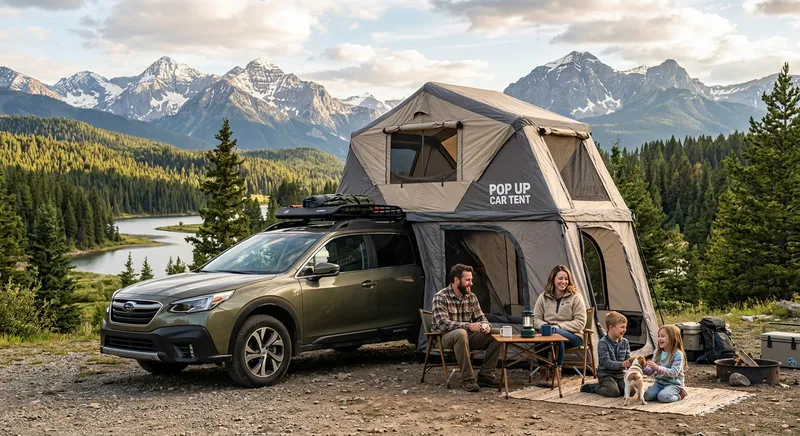
Here, heavier, steel-framed tents with reinforced fabrics provide peace of mind. They resist wind better and withstand wear and tear, though packing and transport become harder. Logistics play a big role; if you have a team or vehicle dedicated to setup, heavier tents might be manageable. Solo operators or smaller teams might prefer lighter gear and accept the trade-off in durability.
Consider also how the tent folds and stores. Good design features like quick-release locks and compact folding mechanisms can make a difference over many events. If a tent repeatedly jams or is awkward to pack, the time and labor cost can add up quickly.
| Series | Product Model |
|---|---|
| 6538 | advertising inflatable tent |
Accessories and Customization Options That Make a Difference
The base tent is just one part of the equation. Accessories bring real functional value and can adapt a pop up car tent for different uses. Sidewalls are a popular add-on and transform open tents into more protected spaces, blocking wind and rain from multiple directions. For cold weather or dust-prone environments, sidewalls make the customer experience much better. However, adding walls increases setup time and affects ventilation, so consider the trade-offs.
Custom branding opportunities also factor into decision-making, especially for distributors supplying promotional equipment. Pop up car tents with printable or attachable panels allow clients to showcase logos or event messaging—great for trade shows or brand activations. It’s important to check how branding options affect the tent’s waterproofing or fabric strengths, as printing or sewing can sometimes create weak points.
Flooring and ground anchors may also be necessary in certain locations. If events take place on rough or uneven ground, temporary flooring improves the overall look and feel but adds to cost and transport volume. Similarly, specialized stakes or weights improve safety but need to be factored into packing and crew training.
Maintenance and Longevity Considerations for Frequent Use
A pop up car tent can be a long-term asset if properly maintained. One overlooked factor is how easy the components are to clean and repair. Polyester and nylon tents can collect dirt, mildew, and stains after outdoor use. A tent that’s machine washable or compatible with easy hand-cleaning solutions saves both time and money.
Frames need occasional inspection for rust, bending, or broken parts. Aluminum frames resist rust better but can crack under stress; steel frames might require regular painting or coating to prevent corrosion. Keeping spares like replacement poles or connector joints handy ensures downtime is minimal in case of breakage.
Storage habits influence longevity. Tents left outdoors or stored damp face faster degradation, so quality carrying bags and dry storage spaces are essential. The investment in a pop up car tent grows with each year of use, but only if users attend to these small details routinely.
This practical understanding helps when evaluating which model to recommend or stock, ensuring end clients get the most value over time without frequent replacements or unexpected failures.