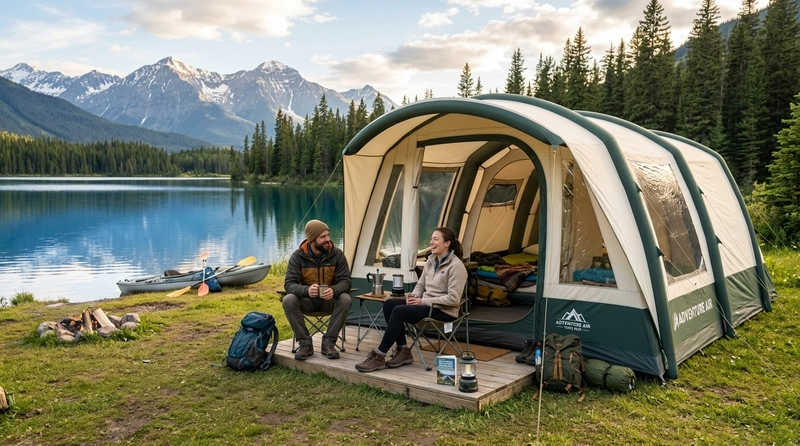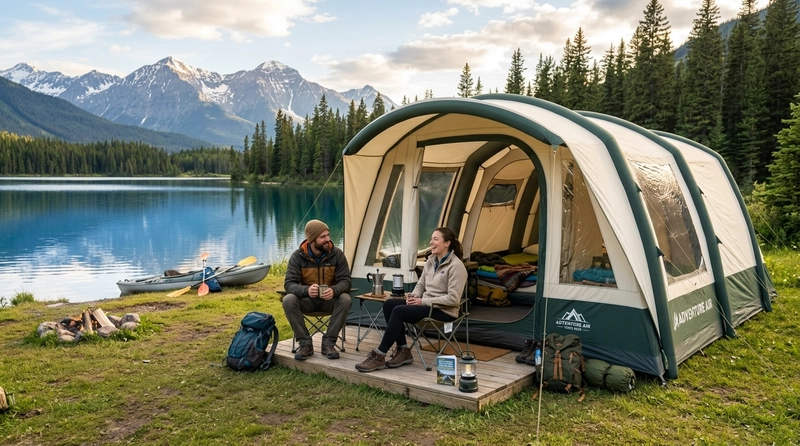
Outdoor Inflatable House Tent Size
Sizing an outdoor inflatable house tent is not as straightforward as picking the biggest model you can find. Event planners and event equipment distributors often face the challenge of balancing space, portability, and ease of setup. A larger tent might offer more room for guests or products but will generally weigh more and require a more powerful pump to inflate. This can increase setup time and manpower needed. On the other hand, a smaller tent, while easier to handle, might feel cramped or limit how you arrange your displays.
It’s worth considering the dimensions of your typical event space when selecting a tent. For instance, narrow or oddly shaped venues benefit more from inflatable tents designed with modular flexibility and multiple entry points. This makes the space flow better for foot traffic and booths. Sometimes opting for a tent with expandable walls or attachable modules can give you the versatility to adapt to various site conditions without carrying multiple tents.
Think about the atmosphere you want your tent to create. Taller tents offer airiness and visibility but might be more susceptible to wind stress or require additional anchors. Low-profile tents are easier to stabilize but might restrict movement inside. Taking these trade-offs into account ensures you get a tent that fits your operational needs without unnecessary complications.
Managing Setup and Breakdown with an Outdoor Inflatable House Tent
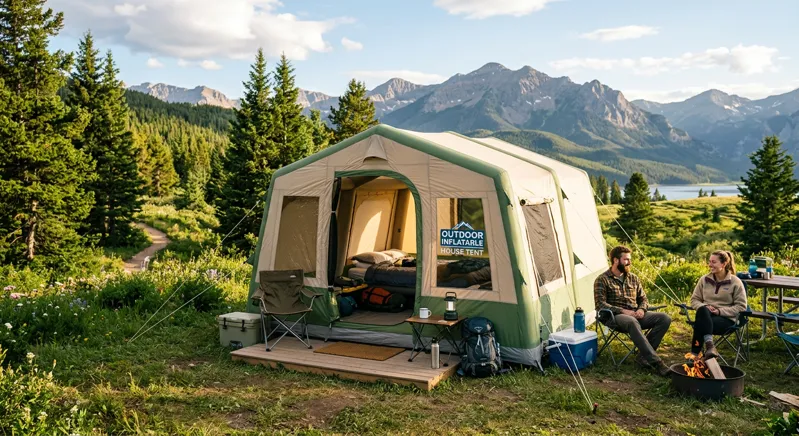
The setup process for outdoor inflatable house tents is often cited as a major advantage, but it’s important to have realistic expectations. While inflating the tent using an electric or manual pump can be quick (usually under 15 minutes), the real time investment often lies in the layout, securing, and final adjustments.
Ground conditions heavily influence how smooth the process goes. Soft or uneven surfaces require more anchoring effort with stakes, sandbags, or water weights to keep the tent stable. This is particularly true for windy days, where the tent acts like a giant sail. Professionals often carry extra gear for securing their tents, and it’s wise to be prepared for last-minute adjustments.
Breakdown is similarly straightforward in theory, but letting the tent deflate completely before folding it properly saves wear and tear. Rolling a damp or dirty tent can lead to mold or fabric degradation, so plan to clean and dry your tent thoroughly after every use. Having a routine for inspection and maintenance will extend your tent’s lifespan and prevent issues during busy event seasons.
Weather Considerations Affecting Your Outdoor Inflatable House Tent
No matter how sturdy an outdoor inflatable house tent might seem, weather can be a significant deciding factor in how and when it gets used. Wind is the usual culprit, potentially pushing or even tipping tents over if they’re not adequately anchored. Heavy rain can cause pooling water on top, stressing seams and inflation chambers. Snow isn’t usually a concern for most event planners using these tents, but if you operate in cold climates with winter events, choosing models with durable, weather-resistant material is essential.
Sun exposure throughout the event can gradually weaken fabric. Tents made from UV-resistant materials help preserve color and strength but aren’t invincible. A tent’s color choice might also impact interior temperature—dark colors absorb heat and can make the space inside uncomfortable on hot days, while lighter colors tend to stay cooler.
Planning around weather forecasts, having a backup location, or alternative shelter options can save headaches. Knowledgeable suppliers often recommend always keeping repair kits and spare parts on hand to patch small tears or leaks swiftly onsite.
Customization and Branding Opportunities with Outdoor Inflatable House Tents
From a marketing perspective, one of the biggest draws to outdoor inflatable house tents is their customization potential. Event planners and distributors frequently look for ways to make brand presence more noticeable, and these tents offer serious surface real estate for logos, messaging, and creative designs.
The materials usually accept various printing techniques, like dye sublimation or UV printing, that maintain vibrant colors even after repeated exposure. Choosing tents that allow removable panels or interchangeable banners can make branding updates easier and reduce costs over time.
Careful consideration is needed for font sizes and logo placement—make sure graphics are visible from a distance, considering the tent’s shape and typical sightlines. Avoid cluttering the design; a clean, impactful look performs best in crowded outdoor settings.
While customization is a strong benefit, there is a trade-off with cost and production timelines. Custom prints typically require longer lead times and higher minimum order quantities compared to stock designs, so planning ahead is crucial if branding is a priority.
Transport and Storage Challenges with Outdoor Inflatable House Tents
Even though outdoor inflatable house tents are designed to be portable, their size and bulk after deflation can be a hidden challenge. Many buyers underestimate how much space the packed tent and associated equipment—like pumps, stakes, and repair kits—will take up.
For events on the move or where storage space is limited, prioritizing tents with compact folding designs or carrying bags with wheels makes a tangible difference. Weight is another factor, particularly if your team needs to load and unload tents repeatedly during multi-day events. Some tents weigh upwards of 30 kg, which may necessitate additional handlers or equipment for safe transport.
Consider the storage conditions, too. Prolonged exposure to humidity, dust, or pests can cause premature fabric degradation if the tent isn’t stored properly. Using breathable storage bags and a dedicated dry environment will keep your investment safe between uses.
These practical factors often influence purchasing decisions as much as the tents’ visual appeal or size. Understanding them can save many unexpected headaches.
Safety and Compliance Considerations for Outdoor Inflatable House Tents
Safety should never take a back seat when choosing or operating outdoor inflatable house tents. Fire retardancy is one of the most important compliance issues. In many jurisdictions, tents used for public events must meet specific fire-retardant standards, which modern materials usually comply with, but always verify paperwork with the supplier.
Aside from material certifications, ensuring secure anchoring and regular inspection of inflation systems is key to prevent accidents. A sudden deflation during an event poses risks not just to the structure but also to those inside or around it.
Some tents come with added safety features like multiple inflation zones, so if one section is compromised, the entire tent doesn’t collapse. This design can be life-saving in busy environments.
It’s also smart to consider local regulations on permits or operational restrictions for inflatable structures. Being proactive about safety not only protects your clients and guests but also shields your business from liability.
The decision to invest in an outdoor inflatable house tent often hinges on understanding these everyday concerns as much as the basic specs. Real-world experience teaches that careful planning on size, setup, weather, branding, transport, and safety all contribute to smoother events and longer product life.