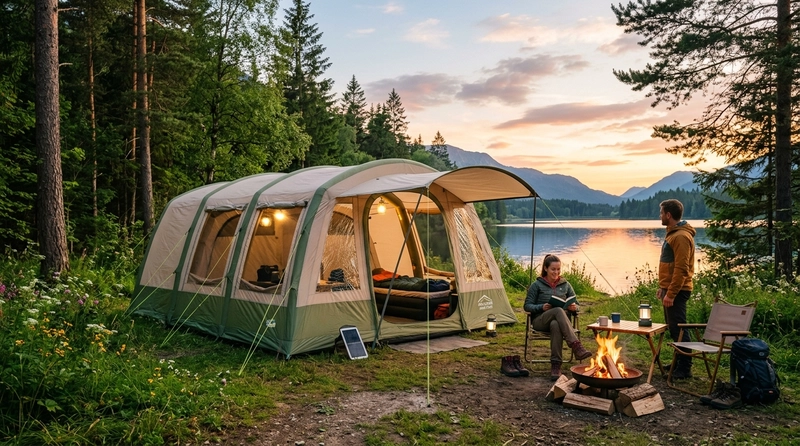
Outdoor Inflatable Furniture for Different Event Sizes

Selecting outdoor inflatable furniture comes with more nuances than just picking something that looks good on a website or catalogue. For smaller, intimate gatherings, lightweight and compact pieces work better. They’re easier to transport, set up, and store afterward. These smaller inflatables can include chairs, ottomans, or loungers that fit neatly into limited outdoor spaces without overwhelming the area.
On the other hand, larger events like festivals, trade shows, or corporate retreats benefit from more substantial inflatable setups such as sofas and sectional loungers. These not only accommodate more people but also create communal zones where attendees can naturally gather. The trade-off here is the additional weight and time needed for inflation and deflation, as well as the increased risk of damage during transport. Planning ahead for pump availability and access to power is essential for smooth setup.
Durability also changes according to event scale. While smaller pieces might use lighter materials to ease mobility, larger units need tougher fabrics and reinforced seams to withstand frequent use and accidental stress from crowds. Balancing portability and durability is often less about picking one over the other and more about understanding how and where the inflatable furniture will be used.
Understanding Material Choices and Their Impact on Longevity
Not all outdoor inflatable furniture is made the same. The type of fabric or vinyl used can make a significant difference in how long the item lasts and how well it holds up against weather. PVC-coated nylon and TPU are common materials, each with advantages and trade-offs.
PVC-coated nylon offers strong resistance against punctures and abrasion, which is important if the furniture will be placed on rough or uneven surfaces like gravel or grass. It tends to have a shinier finish and is usually slightly heavier. TPU, on the other hand, is more environmentally friendly and generally offers better flexibility and a softer feel but might compromise a bit on ruggedness.
UV resistance is another critical factor. Continuous exposure to sunlight can degrade materials quickly, so opting for UV-stabilized inflatables extends their usable lifespan. Even with UV treatments, expect some color fading over time if the furniture stays outdoors for long periods.
Water resistance varies as well. Some pieces come with coatings or sealed seams to repel moisture, which prevents mold and mildew buildup after rain or morning dew. However, this also affects breathability, and sometimes furniture can feel sticky or hot against the skin during warm weather. Knowing these trade-offs helps when choosing inflatables for humid or wet climates.
Weighing Setup Time and Storage Needs in Event Logistics
Inflatable furniture’s major advantage is quick setup—but that’s not automatic. The complexity depends on size, shape, and the pump system used. For a cluster of single-seat chairs, a compact electric pump can inflate several units in under 10 minutes. More elaborate sets may require larger pumps or even multiple units running simultaneously.
Storage considerations are just as important. Once deflated, furniture must be folded and packed properly to avoid wrinkles or damage to valves. This is often underestimated but can mean the difference between having a piece last a season or developing leaks prematurely.
Space-saving designs can help, especially for event planners managing multiple shows or a distributor balancing inventory. Some inflatables compress down to a manageable package that fits into a standard storage bin or case, while others stay bulky and need dedicated storage rooms.
The choice here often boils down to priorities: do you need rapid deployment with minimal labor or is maximum comfort and size worth a bit more time and storage space? Knowing your team’s capacity and storage infrastructure helps guide this decision pretty effectively.
| ID | Product Model |
|---|---|
| 6338 | inflatable branded tent |
Assessing Comfort and Practicality for Different User Groups
It’s easy to get excited about eye-catching shapes and colors, but comfort wins over flashiness when it comes to outdoor inflatable furniture. Event planners need to consider who will use the furniture and for how long. If attendees are expected to lounge for hours, inflatables with higher back support and ergonomic design scores better points. Single-seat poufs might look cute but fail fast if comfort isn’t up to scratch.
Distributors often advise testing sample items beforehand. Sitting on an inflatable piece reveals a lot about firmness and stability that images and specs can’t communicate. Overly soft inflatables might lead to an unsteady feel, while extremely firm versions could cause discomfort, especially in hot weather.
The surface texture matters too. Fabrics that feel sticky or retain heat can deter use in full sun, while smooth, breathable covers invite longer stays. And pay attention to slip resistance on the bottom; a piece that shifts around on grass or pavement creates safety hazards especially in crowded settings.
Finally, the cleaning and maintenance factor links directly to practicality. Outdoor inflatable furniture will inevitably get dusty and stained. Machine-washable or wipe-clean surfaces can save hours of labor and keep pieces looking fresh longer.
Navigating Price Points versus Usage Frequency
One challenge for buyers is balancing upfront cost with expected usage patterns. High-end outdoor inflatable furniture often features premium materials, reinforced seams, and ergonomic designs, pushing prices beyond basic models. For some clients, this investment pays off by lasting multiple seasons with minimal repairs.
On the flip side, occasionally used inflatables, like those for seasonal marketing activations or one-off festivals, might justify choosing more economical, entry-level pieces. The lower cost allows for replacement rather than extensive maintenance if something goes wrong.
Warranty terms also play a role here. Comprehensive coverage for leaks or punctures reduces risk but often increases prices. Knowing your event schedule and how often these items will cycle through usage helps in prioritizing which pieces warrant that extra expenditure.
Once the price sensitivity is out of the way, it’s important to keep an eye on the cost of accessory parts like pumps, repair kits, and covers. Sometimes the cumulative cost of upkeep can rival or exceed that of the initial purchase if the furniture is heavily used outdoors.
Preparing for Transportation and On-Site Handling Challenges
Outdoor inflatable furniture might look light and straightforward, but improper handling during transit can cause issues. Distributors often recommend using protective bags or cases, especially for larger pieces to avoid abrasions on fabric and damage to valves.
At the event site, consider the terrain carefully. Sharp stones, wood chips, or even certain synthetic surfaces can puncture or wear down bottoms. Many inflatables come with protective mats or can be paired with them for extended durability.
Wind is another concern. While anchored tears or stakes help, inflatable pieces can still billow or shift if the setup isn’t secure. Over-inflation to add rigidity can increase the risk of seams bursting, so it’s a delicate balance.
Moving furniture around the event during breaks or reconfigurations needs a clear strategy. Trying to drag inflatables instead of carrying or rolling them can cause unnecessary damage. Training on-site staff to handle equipment properly pays dividends in product longevity and presents a professional image.
Outdoor inflatable furniture offers unique opportunities for versatile, eye-catching event solutions, but like any product category, knowing the limits and practical considerations turns a nice addition into a reliable asset for your event or distribution lineup.