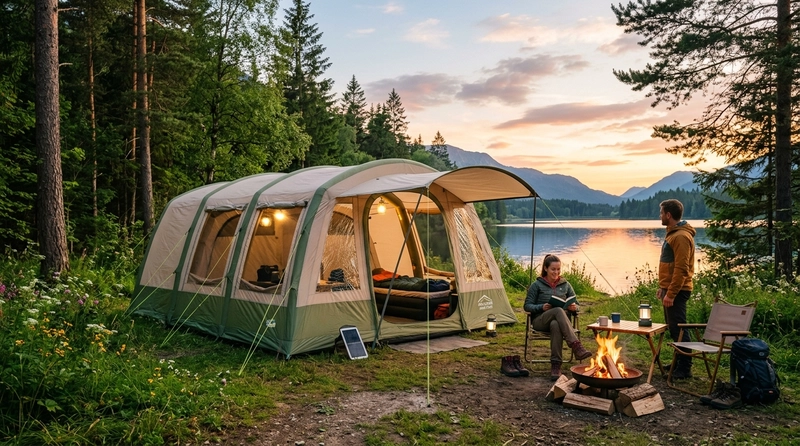
Car Tent Canopy for Varied Event Environments
When event planners and distributors start scouting for a car tent canopy, they often face the challenge of matching the setup to specific outdoor conditions and event types. Not every canopy suits every scenario, which is why understanding the practical application helps avoid costly mistakes. For instance, a lightweight canopy might be fine for a weekend market in fair weather but could struggle under sustained wind or unexpected downpours. Conversely, heavier-duty canopies offer greater durability but require more effort and manpower to set up and move.
Trade-offs are often overlooked in the early planning stages. A large canopy with extended sidewalls can provide excellent shelter, but it might limit vehicle maneuverability or require more space than available. This is a harsh reality on crowded event grounds where every foot counts. Considering the setup and takedown time is equally vital — a bulky, complex car tent canopy demands extra labor and time, which can bottleneck event schedules. Knowing when to prioritize durability over portability or vice versa can save headaches on the day of the event.
Balancing Portability and Stability in Car Tent Canopy Selection
One of the most common dilemmas for event suppliers and planners is achieving the right balance between portability and stability. Lightweight canopies, often made from thin aluminum frames and polyester fabric, are easy to transport and quick to deploy. These are ideal when your crew must cover multiple locations in a day or handle quick emergency setups. However, these canopies may not withstand strong gusts or fluctuating weather conditions, forcing planners to spend extra time securing anchors or weights.
On the other end, heavy-duty canopies with steel frames and reinforced fabrics provide robust shelter but demand bigger transport vehicles and more people for assembly. Sometimes, investing in additional accessories like weighted sandbags or ground stakes becomes non-negotiable to prevent accidents or damage. Your choice will likely depend on your typical event landscape. If you’re dealing with unpredictable weather or high foot traffic, erring on the side of stability is usually safer, even if it means more upfront effort.
Practical Considerations for Customizing Your Car Tent Canopy
Often, standard car tent canopies don’t meet all the practical needs of professional buyers, pushing them to customize. Whether it’s adding sidewalls for wind protection or branding elements for better visibility, customization is a useful way to increase functionality and aesthetic appeal. That said, modifications can impact setup speed and overall canopy weight, things that must be factored into operational planning.
For example, adding clear PVC windows on sidewalls allows natural light but might add weight or reduce flexibility during packing. Incorporating printed logos or graphics boosts brand recognition but requires careful handling to avoid damage and fading. Think about the trade-offs between visual impact and practical use, especially if you need to reuse the canopy in multiple settings. Custom elements also influence storage requirements and shipping dimensions — something many suppliers and distributors underestimate until inventory management becomes tricky.
| 시리즈 | 제품 모델 |
|---|---|
| 302 | 차박 텐트 |
Navigating Indoor vs. Outdoor Use for Car Tent Canopies
Some of the most nuanced decisions happen when planning for events that involve both indoor and outdoor components. A car tent canopy designed mainly for open-air use can feel bulky or awkward indoors, where ceiling heights and space may be limited. Conversely, lightweight models that easily fit indoors might not weather outdoor conditions.
Choosing a canopy that adapts to both requires foresight. Collapsible frames with adjustable heights can offer the flexibility needed to transition between environments smoothly. However, these features often come with a higher price tag and may suffer in stability outdoors. Also, consider the visual impact — outdoor models usually prioritize weather resistance, while indoor canopies might focus more on clean aesthetics and brand display.
Most buyers balance these concerns by maintaining a small inventory of different canopies targeted to event type, but this strategy requires solid storage space and asset tracking. Another tip is to understand the typical demands of your repeat clients or events and gear your car tent canopy purchases accordingly to avoid redundant equipment.
Maintenance and Longevity Challenges with Car Tent Canopies
Investing in a car tent canopy isn’t just about the upfront purchase; maintenance plays a huge role in how long the equipment remains reliable. Neglecting cleaning or failing to properly dry and store the canopy fabric can lead to mildew, tears, and fading faster than expected. Professional buyers often realize too late that their replacement costs balloon due to improper upkeep.
Simple habits like wiping down frames after use, ensuring the canopy is fully dry before packing away, and inspecting joints for rust or wear can extend the lifespan significantly. However, it requires time and a maintenance plan, which is sometimes overlooked in busy event schedules.
Repairs are another tough consideration. Some canopies allow for parts replacement, such as individual poles or fabric panels, which is more economical. Others require full unit replacement if damaged. When selecting a car tent canopy, it’s worth asking about the availability and cost of replacement parts. This can be a major factor in managing long-term operational budgets and avoiding downtime during peak event seasons.
The Impact of Regulations and Venue Restrictions on Car Tent Canopy Use
Different event venues and municipalities have varying regulations on temporary structures, which can complicate the selection of a car tent canopy. Weight limits on frames, fire retardant fabric requirements, and rules around anchoring can all limit your options or add unexpected steps to setup.
Some event planners find themselves scrambling to swap out canopies because the first choice didn’t comply with local codes. This is particularly common for large festivals or municipal events with strict safety standards. Carrying multiple types of canopies that meet different safety criteria can seem like a headache but often pays off in smoother permitting and fewer last-minute changes.
Additionally, some venues may prohibit anchoring into the ground, forcing the use of weighted systems that add weight and cost. It’s essential to clarify these constraints early with venue managers to avoid surprises. Ensuring your car tent canopy choices align with local rules also protects against liability issues and enhances your reputation as a reliable supplier and planner.
Navigating the practical demands of a car tent canopy is less about finding the perfect one and more about choosing the right one for each use case. When suppliers, planners, and distributors focus on fit, setup conditions, and post-event care, they save time, money, and stress during what are often tightly scheduled days. Understanding these real-world trade-offs is the cornerstone of smart equipment management in the event and promotional industry.