
Size for Your Inflatable Wedding Arch
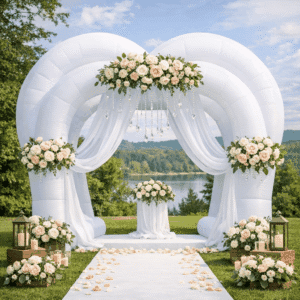
One of the first practical concerns when selecting an inflatable wedding arch is determining the appropriate size. The dimensions aren’t just about fitting a couple or group beneath it—they influence the visual impact and the setup logistics. Taller arches create a grander entrance or focal point, but they also require more space and a sturdier inflation system. If the venue is compact, an oversized arch might overwhelm the layout or cause issues with nearby structures.
Consider where the arch will be placed. Outdoor locations need a bit more stability, so if you’re leaning toward a large inflatable wedding arch, look for options with anchoring points or weighted bases. Indoor venues will limit height, but they allow for better control over inflation equipment noise and power access. Balance aesthetics with space constraints for the best effect.
Material Choice and Durability Impact
Material quality affects durability, especially for repeated use or if the arch will be exposed to weather conditions. Vinyl and reinforced nylon are common in inflatable wedding arches due to their lightweight and strong characteristics. Vinyl tends to be more resistant to punctures but is heavier. Nylon is lighter and packs down well but can be prone to tears if snagged.
There’s also the finish to consider. Matte textures reduce glare in photographs, while glossy surfaces can catch light for a different visual feel. An arch’s material should support easy cleaning, too. Wedding setups often involve flowers, confetti, or even outdoor dirt, so the surface should tolerate wiping or gentle washing without damage. This keeps the arch looking fresh even if it’s used multiple times.
Air Source and Power Requirements for Setup
Not all inflatable wedding arches come with the same inflation method, and understanding this is essential for smooth event preparation. Many rely on electric blowers that run continuously during the event to maintain shape, which means consistent power access is a must. Running an electric cable across a venue often requires careful planning for safety and appearance.
Battery-operated or self-contained inflation systems offer mobility but can be limited in inflation time and output pressure, so the arch might not stay fully rigid for long periods. Manual inflation isn’t practical for large arches but may work for smaller, temporary decorations.
Evaluate your power sources, venue restrictions, and event duration when finalizing the arch’s inflation system. This prevents last-minute surprises and ensures the arch remains stable throughout important moments.
| Index | Product Model |
|---|---|
| 6020 | car camping tent |
Design Customization Versus Cost Considerations
Customizing an inflatable wedding arch to match unique wedding aesthetics is always tempting, but there’s a trade-off in cost and production time. Basic arch shapes are often ready-made and come in standard colors, which offers simplicity and rapid delivery. Adding logos, intricate patterns, or specific color blends requires additional manufacturing steps, sometimes pushing lead times beyond what last-minute planners can accommodate.
Complex designs also tend to be pricier, especially if they involve specialized printing or non-standard shapes. For distributors or event planners, balancing client expectations against budget constraints means setting clear priorities: is the arch a focal point worth splurging on, or should funds be slotted for other decor elements?
Sometimes opting for detachable embellishments like florals or fabric wraps on a standard arch provides a middle ground. This way, the arch itself remains durable and reusable, while the visual layers adapt to different events and tastes.
Transport and Storage Practicalities
Transporting and storing an inflatable wedding arch can get overlooked until it becomes a headache. Despite being inflatable, some arches are large and bulky once packed, requiring suitable cases or bags. If the arch is a regular rental item, durability of transport accessories becomes vital to protect the investment.
Weight can vary widely based on material thickness and included equipment like blowers and cables. Distributors and planners should also plan for drying times if the arch is used outdoors—packing away a damp arch increases mold risk and reduces lifespan.
Storage conditions themselves impact longevity. A cool, dry place away from direct sunlight prevents material degradation. Fold patterns should be preserved to avoid sharp creases that might weaken the fabric at critical points. Pros often mark folding methods and include care instructions for anyone handling the arch after initial setup.
Managing Setup Time and On-Site Challenges
Setting up an inflatable wedding arch isn’t always a simple “plug and play” task. Weather conditions, power access, and site topography can turn setup from straightforward to challenging. Wind creates a particular problem; while some arches come with tie-downs, others are less stable and may sway or lose shape, distracting from the ceremony’s flow.
Time estimation matters—small arches can inflate quickly, but larger or more complex designs require patience and sometimes multiple people to secure everything properly. Planning enough setup time helps avoid stressful last-minute maneuvers.
Noise generated by inflation fans might also be noticeable during quiet moments like vows or speeches. Operators might turn blowers off briefly, but this can deflate the arch. Being prepared to manage such trade-offs ensures the arch maintains presence without interfering with the event’s ambiance.
An inflatable wedding arch offers a versatile and eye-catching option, but knowing these real-world considerations makes a big difference in smooth execution and client satisfaction.