Inflatable Tent Size for Different Events
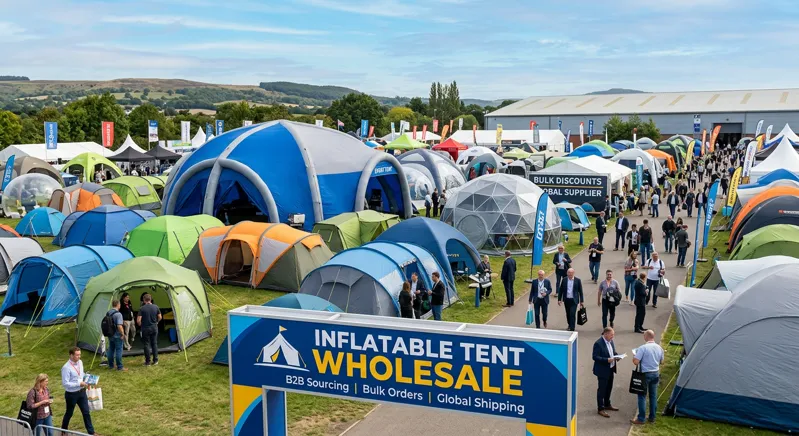
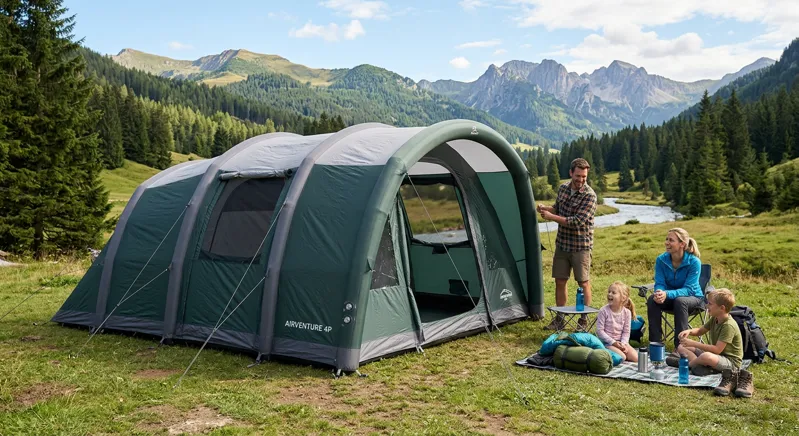
Selecting the appropriate size of an inflatable tent wholesale purchase isn’t just about fitting your event’s expected crowd. It’s also about logistics, transport, and setup. Larger tents offer more flexibility if you handle a range of event types, but they come with heavier weights and longer inflation times. On the other hand, smaller tents are quicker to deploy and easier to move but limit your usage to more intimate gatherings or promotional spots.
Consider where the tents will be stored and transported before purchase. Inflatable tents can pack down fairly small relative to fabric or metal-frame canopies, but shipping costs can quickly rise once weight and dimensions increase. When ordering wholesale, balancing the size with portability ensures you don’t end up with equipment that’s a headache to move around or requires expensive freight.
Many planners find that a mix of sizes works best. For example, having multiple mid-sized tents rather than one large single tent allows you to adapt to various event footprints and create modular setups with versatile branding options.
Material Durability and Weather Resistance: What’s Realistic?
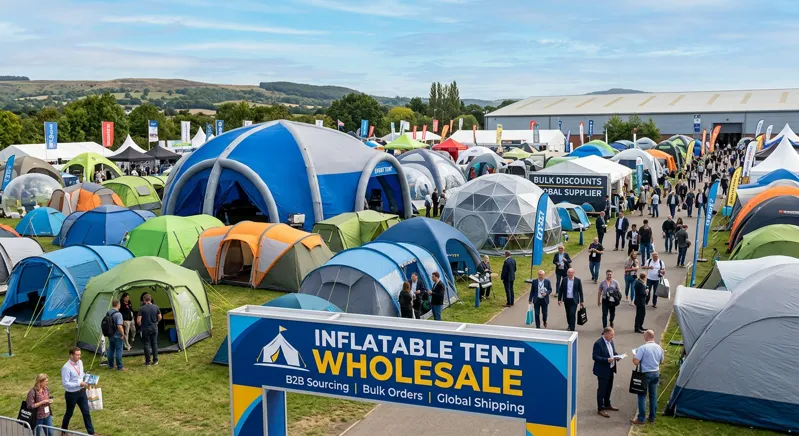
Inflatable tents claim to withstand wind and rain, but not all materials perform equally. Some wholesalers offer PVC or Oxford fabric blends, each with specific advantages and limitations. PVC usually provides better waterproofing but can add weight and become sticky or crack in cold weather. Oxford fabric is lighter and more breathable, but it might not hold up well in sustained downpours.
There’s also the question of UV resistance, which is crucial if tents are used regularly for outdoor events. The sun’s damaging effects can cause colors to fade and the fabric to weaken over time, so ask about treatments or coatings on the material. Keep in mind that these protections can add cost upfront but save on replacements in the long run.
Sometimes clients ask if inflatable tents can be left up over multiple days if the weather is unpredictable. Most models aren’t designed for permanent or long-term installation; daily inflation and careful storage are usually needed. This is important to remember because fabric that is continuously under tension and exposed to weather can degrade quickly.
Inflation and Deflation: Power Needs and Practical Setup
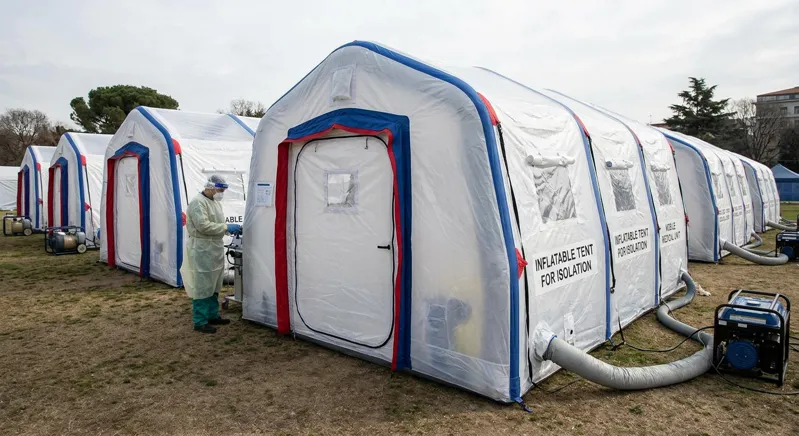
The simplicity of inflatable tents is their big draw: rapid setup without tools or heavy frames. Still, the details matter when ordering inflatable tent wholesale. Most use electric air blowers to inflate, but the power requirements vary. Smaller tents can run off standard outlets, but larger ones may demand industrial power sources or generators, especially on remote sites.
Make sure your team understands the setup time required, including how to secure tents once inflated. Water bags, stakes, and guy ropes all play a role in stability, and ignoring them can turn an easy setup into a safety risk. When buying in bulk, verify that you receive instructions and accessory kits for proper tie-downs.
Additionally, deflation and packing down are sometimes underestimated. Some tents require special techniques or extra hands to avoid trapping air or damaging valves. Efficient packing is critical for transport and storage, especially if the tents will be reused frequently at different venues.
Branding Opportunities and Limitations with Inflatable Tents Wholesale
For event planners and distributors, one of the main appeals of inflatable tents is the smooth, visible surface ideal for branding. Many wholesale suppliers offer options to print logos, slogans, or custom graphics directly on the tent fabric. This can transform your tent into a mobile billboard at trade shows, fairs, or sporting events.
However, there are trade-offs. Vibrant, detailed images sometimes get lost on the taut fabric’s curved surfaces, and printing methods vary in durability. Consider reviewing sample prints to assess how colors and details appear in natural light and under event conditions.
Another practical detail is the reusability of branded tents. If you work with clients that frequently update their messaging or brands, having multiple replacement panels or removable covers might be a better investment than a single fully printed tent. This approach adds versatility but requires more coordination during setup and packing.
Bulk Buying Challenges: Inventory, Damage, and Storage Concerns
Ordering inflatable tent wholesale makes sense for volume discounts and maintaining a ready fleet, but it also raises operational challenges. Inventory management is surprisingly tricky. Because inflatable tents can look similar, labeling and tracking are essential to avoid confusion during event preparation.
Damage during transport and storage is another common issue. Delicate valves and fabric seams can suffer unnoticed wear that causes leaks or slower inflation times down the road. Regular inspection and maintenance should become routine, especially if you’re running a rental business or frequent event activations.
Storage conditions impact the lifespan of tents too. Excessive heat, moisture, or rodents can shorten the usable life of fabric and valves. Many planners recommend climate-controlled storage or specialized containers to protect your investment when not in use.
Maintaining consistent stock levels and condition records helps avoid the unfortunate scenario of discovering multiple damaged units just before a high-profile event.
Practical Transport Solutions for Inflatable Tent Wholesale Orders
Transport logistics often get overlooked when purchasing inflatable tents wholesale. While the tents pack down smaller than traditional marquees, they often come in bulky bags that demand sizeable cargo space or dedicated transport vehicles.
If your business manages multiple events across regions, coordinating shipments with couriers or investing in your own transport fleet can significantly smooth operations. Rolling storage cases with wheels and strong handles help your crew move tents on-site and between vehicles with less strain.
Think also about quick access; certain events might require multiple tents arriving at staggered times. Warehousing and loading procedures should accommodate slicing up deliveries to match event schedules.
Bulk orders sometimes qualify for pallet shipping. Pallets simplify handling but require forklift access and suitable warehouse space. Factor these into your overall event planning workflow to prevent delays or added costs.
Taking the transport puzzle seriously upfront helps protect your gear and avoid the last-minute scramble that can cause stress and unexpected expenses.