
Deciding on Materials: Balancing Durability and Weight
When selecting an inflatable tent for an event, the choice of material plays a massive role in how the tent performs day-to-day. Some event planners prioritize durability, opting for heavier fabrics like PVC-coated polyester, which offer exceptional resistance to punctures and abrasions. This type of material works well in rough outdoor conditions or longer event schedules, where wear and tear are inevitable.
On the flip side, lighter materials such as nylon are more portable and easier to set up but tend to sacrifice some durability. If you’re handling frequent transport or quick deployments, nylon-based inflatables might save you time and labor costs. However, they can be more prone to damage, especially if dragged over abrasive surfaces or exposed to sharp objects.
Choosing the right material requires understanding your event’s environment and timeline. If an event involves rugged terrain or heavy foot traffic around the tent perimeter, investing in thicker, reinforced materials will reduce replacement frequency and unexpected downtime.
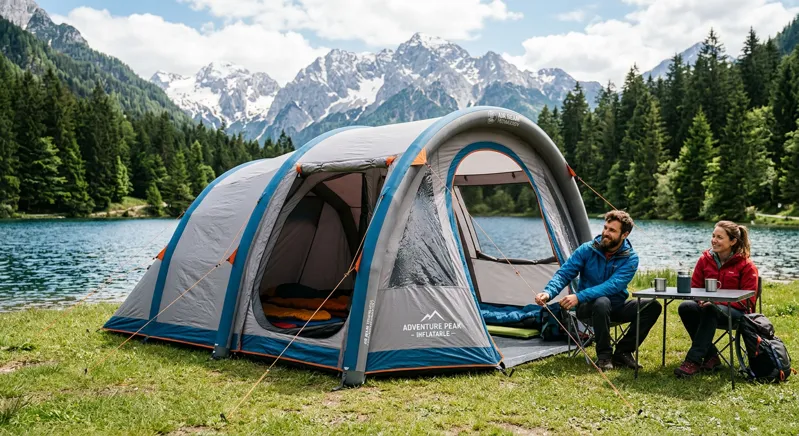
Inflatable Tent Quality and Air Retention Features
Leaks and air loss remain one of the trickiest compromises when dealing with inflatable structures. Even minor punctures or imperfect seals can cause noticeable deflation, which disrupts event flow and safety. The quality of the air retention system—whether valves, seams, or zippers—is non-negotiable for professionals responsible for smooth operations.
Manufacturers now offer tents with double-layered seams and high-quality airtight zippers to minimize air leakage points. However, the increased airtightness often means more significant setup time. It’s important to weigh how much time you can allocate for inflation versus how much you value a steady, consistent air pressure throughout the event.
Understanding the pressure relief mechanisms is also crucial. Some tents incorporate valves that release excess pressure automatically, protecting the structure from damage due to over-inflation but adding complexity to maintenance. Regular inspections and inflation tests before events will save on last-minute headaches caused by deflation issues.
Trade-offs in Size Options and Set Up Complexity
Inflatable tent quality must also be judged by how the size options relate to ease of use. Larger tents provide more coverage and create impressive visual spaces, but they also bring increased setup time and require more powerful pumps. This can mean heavier logistics and the need for experienced staff who can manage inflation safely.
Smaller tents tend to be easier to transport and set up but may limit your event design flexibility. If your event requires different configurations, some brands offer modular inflatable systems that connect multiple sections. These can be great but require extra coordination and lead to increased potential failure points at connection seams or valves.
Often, professional buyers underestimate how set up complexity affects overall event planning. Assessing the time, manpower, and equipment needed to inflate, secure, and dismantle each tent size will help avoid surprise costs and operational issues.
| Ref | Product Model |
|---|---|
| 1324 | Inflatable Tent Quality |
Navigating Certification and Safety Standards
Safety compliance is a critical consideration when choosing inflatable tents for public use. High inflatable tent quality extends beyond materials and construction—it also includes meeting fire retardancy certifications, wind resistance ratings, and structural integrity tests.
Depending on local regulations, your tent might have to comply with specific standards related to flame retardant treatment or wind load capacity. Sometimes tents with higher certifications come at a premium price but take a lot of guesswork out of approving the setup for public events. It’s wise to request documentation early in the purchasing process to confirm compliance.
Beyond certifications, practical safety aspects include ensuring secure anchoring systems and clear evacuation paths. Inflatable tents are subject to changing weather conditions, and poor anchoring can lead to hazardous situations. Confirming the hardware quality and how it integrates with the tent fabric will protect your investment and attendees.
Maintenance Realities and Longevity Expectations
The lifespan of inflatable tents depends heavily on maintenance practices. Even the best tents degrade quicker without proper storage, cleaning, and inspections. Fabric integrity suffers when dirt, UV exposure, and moisture are left unchecked.
Many buyers overlook the importance of sealing and cleaning after each use. Residual moisture can foster mold or mildew, particularly with tight-seam designs where airflow is limited. Storage conditions are equally important; tents folded incorrectly or compressed too tightly can develop crease lines that eventually weaken the material.
Experienced event managers often maintain detailed logs of tent usage, noting any repairs or weak spots. Keeping repair kits handy for quick patches can prevent small punctures from turning into costly replacements.
Understanding real-life longevity helps manage budgeting and vendor relationships better. Inflatable tent quality isn’t just about the initial purchase—it’s about how consistently the product performs through multiple event cycles.
—
These practical insights should guide your choices when sourcing inflatable tents, highlighting both the strengths and practical compromises you can expect in real-world applications.