Choosing the Right Inflatable Tent for Outdoor Camping Events
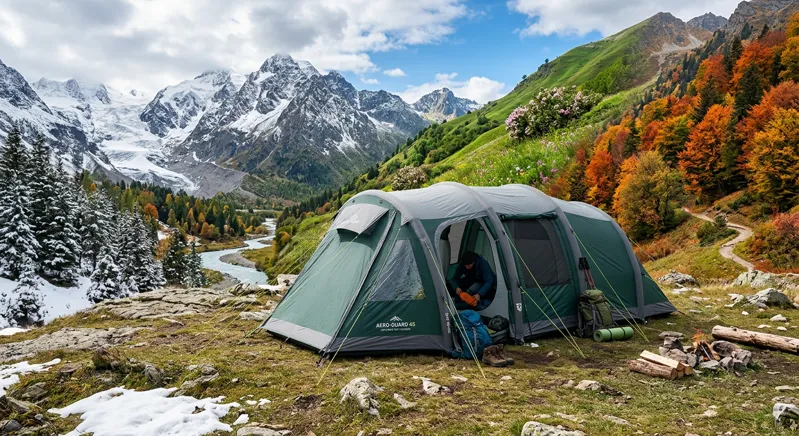
When planning outdoor camping events, the tent you select plays a pivotal role in overall success. Inflatable tent outdoor camping options have gained popularity for their ease of setup and versatility. However, it’s important to weigh their practical benefits against potential drawbacks to ensure they fit your event’s specific demands.
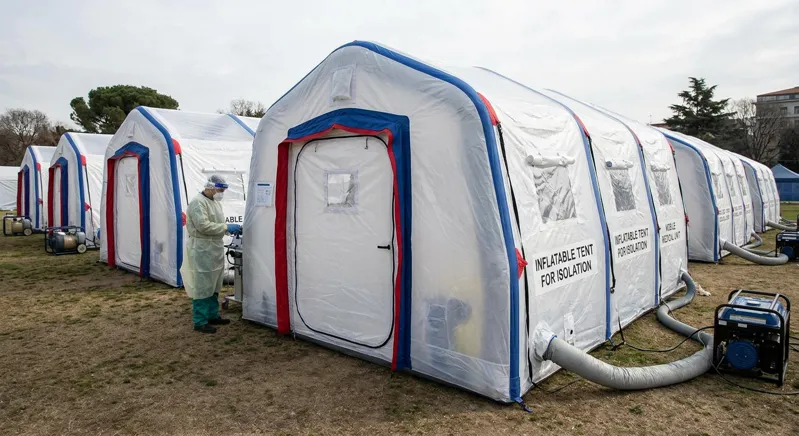
Inflatable tents excel in scenarios requiring fast assembly and minimal manpower. Instead of complicated pole systems, these tents inflate quickly using an electric pump, sometimes in under five minutes, which is a significant time-saver. This makes them ideal for pop-up events, short-term camping festivals, or temporary staffing hubs during outdoor campaigns. Yet, it’s also worth noting that reliance on a power source for inflation can be a limiting factor in truly remote locations where electricity isn’t readily accessible.
Material durability is another factor to consider. Inflatable tents often use PVC-coated fabrics or similar materials that balance waterproofing with flexibility. While this ensures good weather resistance, the fabric can be more vulnerable to punctures compared to traditional tents. Event planners should factor in the terrain and activities planned to assess whether additional protective measures, like ground tarps or reinforced panels, are needed.
Managing Space and Stability Concerns
Space allocation is rarely straightforward when working with inflatable tents. Unlike rigid-frame tents, these structures can feel more compact inside due to thicker walls and cross-chamber profiles. When organizing group camping or vendor spaces, detailed measurements become crucial — especially if multiple tents must fit in close proximity.
Stability in windy conditions is a common concern. Inflatable tents rely on internal air pressure for shape retention, and strong gusts can make them wiggle or lean unless properly anchored. Common anchoring solutions include tie-down straps and heavy-duty stakes, but these require careful planning, especially on hard or rocky ground where stakes may not hold firmly.
If you anticipate fluctuating weather, combining the inflatable tent with additional braces or support frames can provide extra security. Also, reviewing the tent’s pressure compensation features helps because some models have valves that regulate air pressure inside in response to heat or terrain changes, reducing the risk of sudden deflation or stress damage.
Handling Logistics and Transportation for Inflatable Tents
Transporting and storing inflatable tents differs substantially from classic pole-and-fabric tents. While the absence of bulky poles reduces overall packing volume, inflatable tents come with their pumps, repair kits, and sometimes heavier fabrics, which all add to the load.
Packing these tents often requires careful folding techniques to avoid creases that can weaken the inflatable chambers over time. It’s helpful to train staff on proper deflation and folding methods to extend lifespan. Additionally, the electric pumps, whether manual or powered, must be included in inventory management, as losing or damaging them can delay setup at the next event.
Organizing storage space to protect inflatable tents from sharp objects and direct sunlight is equally important. Extended exposure to UV rays can degrade the material, and storage in damp conditions may promote mold or mildew inside the confines of folded fabric.
Evaluating Maintenance and Repair Realities
The upkeep of inflatable tents involves a different skill set than traditional tents. Routine inspections for small punctures or seam weaknesses are critical because even minor leaks can jeopardize structural integrity during use. Carrying a basic repair kit suited to the tent’s material is prudent, especially during multi-day events.
Repairs are generally straightforward: patching kits with adhesive patches or sealants work well for most inflatables. However, repair work requires clean, dry surfaces and some time to cure properly. When immediate fixes are necessary, creative solutions like temporary tape or specialized sprays can keep the tent functional but should be replaced with permanent repairs as soon as feasible.
It is also good practice to keep detailed records of all repairs to anticipate when replacement might be more cost-effective than ongoing patchwork. Over time, repeated inflations and deflations cause strain on seams and valves, and knowing typical wear patterns helps plan procurement cycles without unexpected downtime.
Planning for Versatility and Multi-Purpose Use
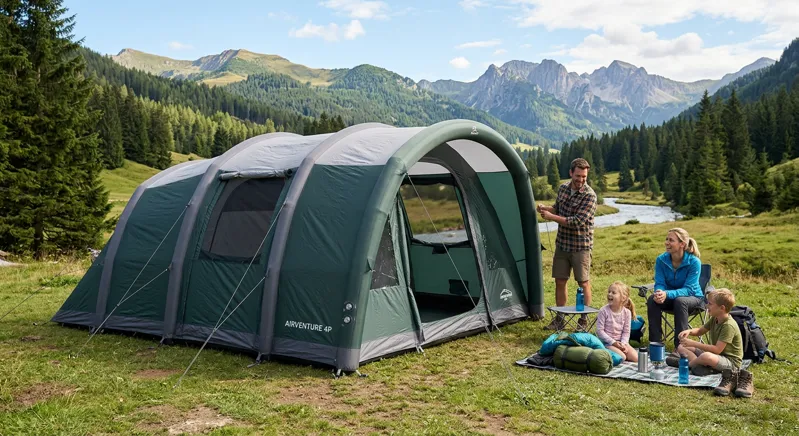
The versatility of inflatable tent outdoor camping equipment makes them a favorite among distributors and event suppliers. Because they come in varying sizes and styles — from dome shapes to larger multi-room tents — they can serve multiple roles across different events.
An inflatable tent can work as a pop-up dressing room, a ticketing hut, or a temporary storage area, depending on your setup. When choosing models, thinking ahead about interoperability is wise since tents with modular connections or attachable side panels allow flexible site configurations.
Keep in mind, though, that while these tents perform well in moderate climates, their insulation properties are generally limited. In campsites subject to extreme heat or cold, supplementary measures like portable heaters, fans, or customized flooring might be necessary to maintain comfort and protect equipment within.
Balancing these factors during procurement ensures your inflatable tent supply handles diverse client needs without specialized modifications every time.
Working With Distributors: What to Expect
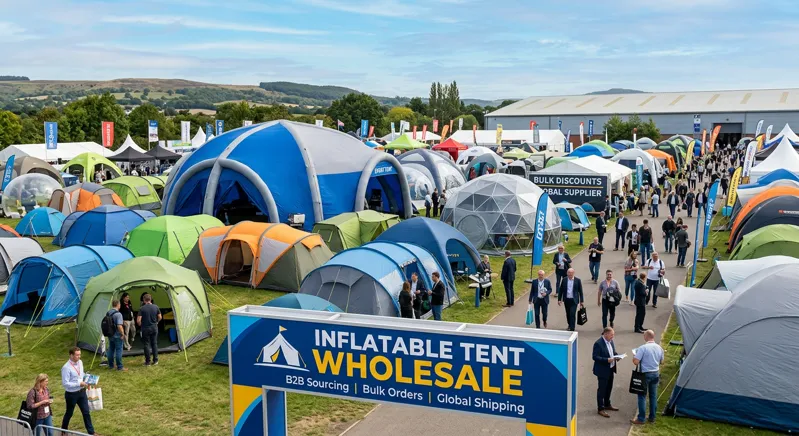
For professional buyers and event planners, sourcing inflatable tents through distributors adds a layer of complexity beyond choosing a tent style. Lead times, minimum order quantities, and bulk pricing all affect decision-making.
Distributors who specialize in inflatable tent outdoor camping typically stock models that meet a broad range of standards like fire resistance, wind rating, and UV protection. Understanding what certifications are standard within your target event settings prevents future compliance headaches.
Ask distributors about service packages, including repair support, spare part availability, and training resources. Reliable partners often offer extra warranties or on-site assistance during major events — invaluable when dealing with equipment that’s structurally reliant on air pressure systems.
Ordering through well-established distributors also ensures that accessories like pumps, stakes, and transport bags are compatible and readily available, saving your team from last-minute sourcing scrambles.
Choosing inflatable tents for outdoor camping doesn’t have to be complicated. Taking stock of actual event conditions, handling requirements, and logistic realities can make the selection and ongoing management process smooth and efficient. These tents offer significant operational advantages, provided you remain mindful of their unique features and preparation needs.