Choosing an Inflatable Tent for Isolation: Balancing Speed and Stability
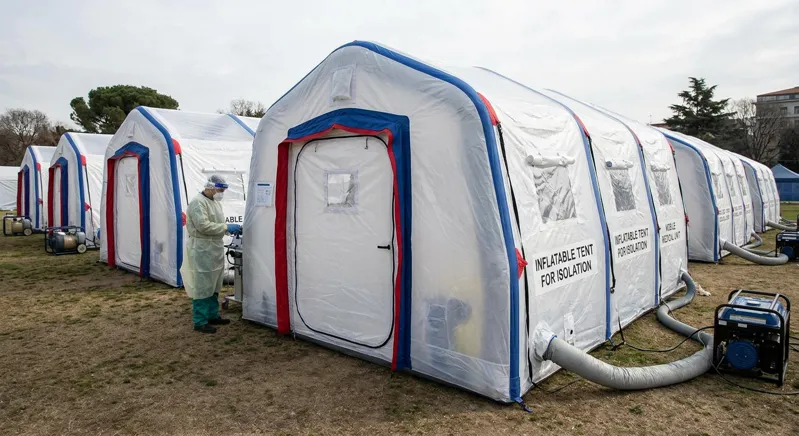
Using an inflatable tent for isolation often comes down to how quickly you can get a safe, enclosed space ready. Inflatable tents inflate in minutes, offering a rapid setup that rigid structures simply can’t match. This makes them highly attractive for urgent or temporary isolation needs, such as onsite medical triage or emergency decontamination.
However, that speed comes with trade-offs. The structural support depends on maintaining air pressure, so leaks or punctures can cause partial deflation, which might compromise the enclosure’s integrity. Materials used are usually lightweight vinyl or PVC, which while durable, don’t offer the rigid protection of metal or hard-sided tents.
You’ll also notice that stability in windy or harsh weather conditions can be a concern. Anchoring systems need to be thoughtfully planned, especially for outdoor use where gusts could destabilize the tent. Often, the tent will include tie-downs, inflatable beams, or weighted bases, but none can replace a solid frame in terms of overall protection and longevity.
Sizing and Internal Layout: Managing Space for Isolation Protocols
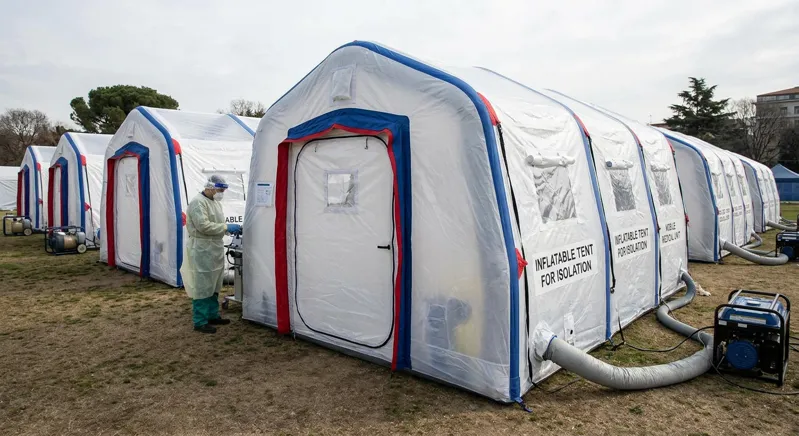
Deciding on the size of an inflatable tent for isolation is more than just calculating foot traffic. You have to factor in how many people or units will be isolated simultaneously, the equipment they’ll need inside, and possible barriers or partitions within the tent.
Some tents come with modular designs or internal partition options that let you create distinct zones, such as a contaminated area, a clean zone, and a transition corridor. This becomes crucial when maintaining infection control or dealing with hazardous materials.
Be mindful of interior space constraints. Inflating the walls uses some of the internal volume, so usable floor space might be slightly less than advertised. Also, ceiling height matters for comfort and equipment installation; a cramped tent can hinder workflows and raise stress levels in isolation scenarios.
Another practical note: ventilation and access points should be included in your spatial planning. Most inflatable tents offer multiple entryways, but if these aren’t configured correctly, cross-contamination risks increase, and moving supplies or patients could become a hassle.
Material Choices: Weighing Durability Against Portability
Material selection impacts the longevity and transportability of an inflatable tent for isolation. Many are constructed from heavyweight PVC-coated polyester, which offers waterproofing, resistance to tearing, and easy cleaning — important when the tent must be sanitized frequently.
Yet, the heavier material adds to carry weight and bulk, which might not suit teams that need to move constantly or work in tight, hard-to-access locations.
On the flip side, lighter fabrics can reduce transport loads but at the cost of durability and puncture resistance. Thinner materials may be more prone to leaks or damage from sharp objects on-site, increasing downtime and maintenance costs.
You should also check for UV resistance and temperature tolerance, as some materials degrade faster in direct sunlight or extreme heat, which compromises the tent’s lifespan. If your isolation site is outdoors for extended periods, this is especially critical.
Powering and Maintaining Inflatable Tents for Isolation
These tents rely on blowers or pumps to maintain their inflated form. It’s important to select equipment that can run continuously without overheating or drawing excessive power, especially if you’re working in remote conditions with limited electricity access.
Generators are commonly used on-site, but noise levels can interfere with communication or add to patient discomfort. Quieter blowers or battery-backed systems could be alternatives but generally come with higher costs.
Routine maintenance is another aspect often overlooked. Air-tightness needs daily checks. Small punctures can usually be repaired onsite with a patch kit, but it’s good to have spares readily available.
Filters and ventilation systems also need regular monitoring to ensure isolation effectiveness. Clogged or poorly maintained systems undermine safety, no matter how airtight the tent itself may be.
Transport and Storage: Planning for Real-World Logistics
When you’re moving equipment between sites or storing it during off-seasons, size and weight play a major role. Inflatable tents, once deflated, pack down much smaller than rigid tents but still require carefully designed bags or cases to protect them from dust, moisture, and accidental tears.
The robustness of storage conditions directly affects how quickly a tent can be deployed and how long it will last before needing replacement. A tent kept folded for months in damp conditions will almost certainly face mildew or material degradation.
Similarly, you need to consider how many people are trained to deploy and pack down the tent. The process might seem straightforward but can challenge untrained staff, leading to potential damage or setup errors.
Planning transport means also planning for the necessary accessories — blowers, repair kits, seals, stakes, and grounding apparatus — that extend the life and functionality of the inflatable tent for isolation. Without these, even the best tent risks becoming unusable when you need it most.