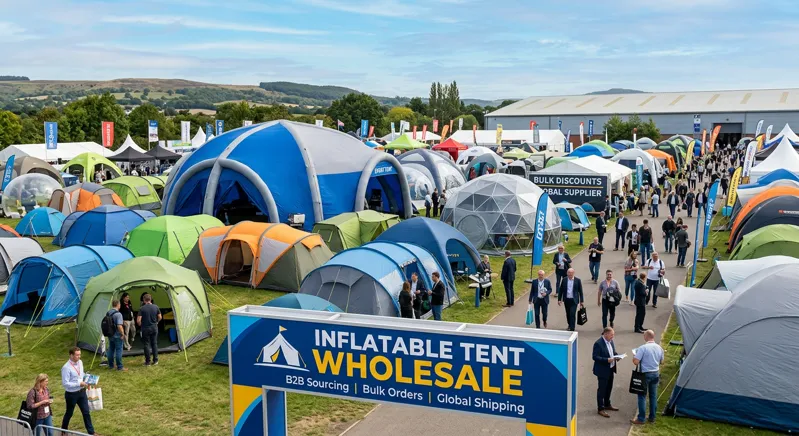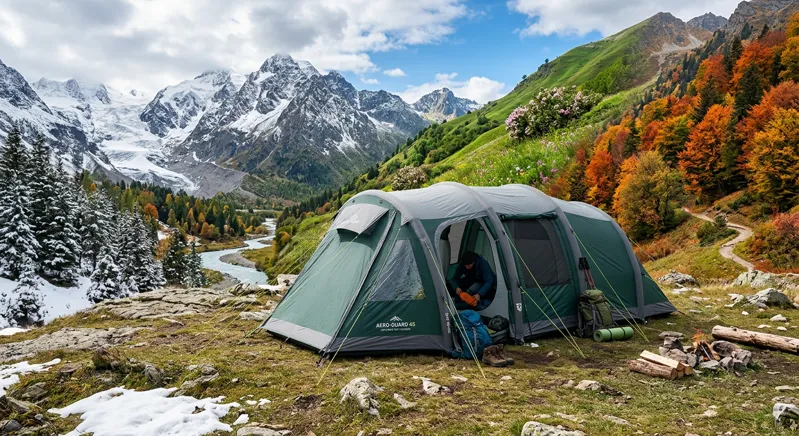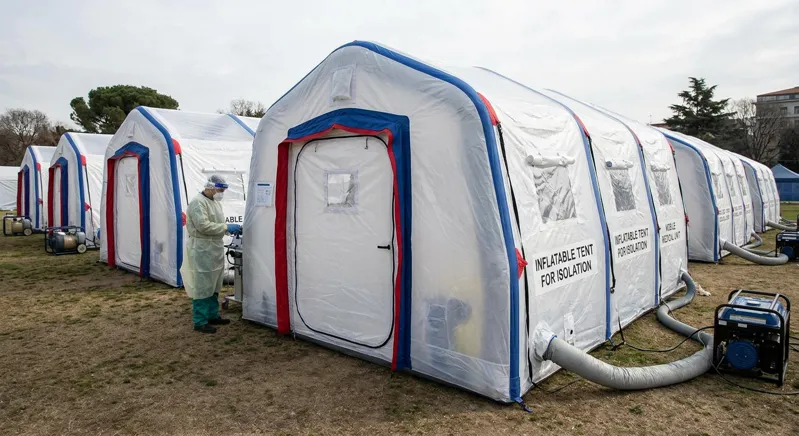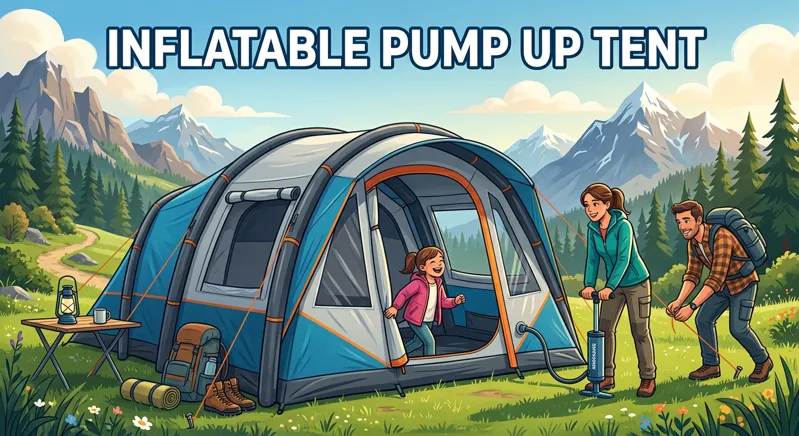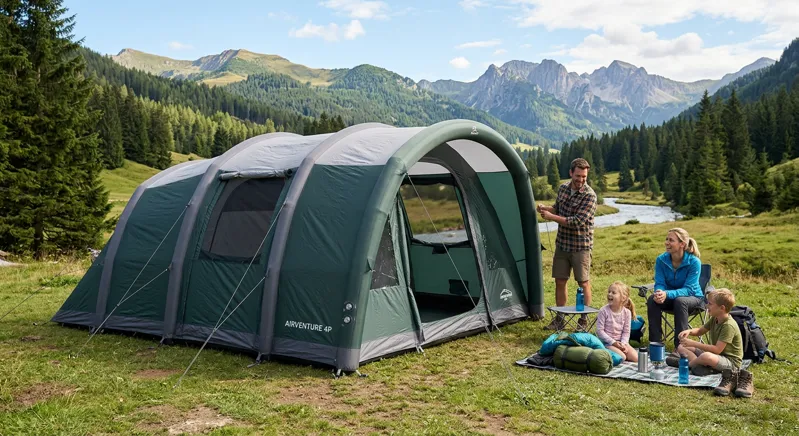
Inflatable Tent 4 Seasons for Year-Round Use
Picking an inflatable tent 4 seasons that can reliably handle diverse weather conditions often means weighing durability against portability. Many buyers lean toward lighter models for ease of transport, but those tents can struggle when exposed to heavy snow or strong winds. If you expect your tent to be used from the blustery chills of winter to the humid heat of summer, material thickness and frame strength become non-negotiable. Look for tents made with heavy-duty PVC or reinforced TPU coatings, as these materials better resist UV damage and won’t become brittle when temperatures drop.
Wind ratings should also be a critical factor, especially if you’re setting up in exposed locations. Inflatable tents with integrated inflation tubes provide a more stable frame but sometimes make repairs on-site tricky. Modular designs, where parts can be swapped without deflating the entire tent, offer a practical balance for field teams that need quick fixes during long events.
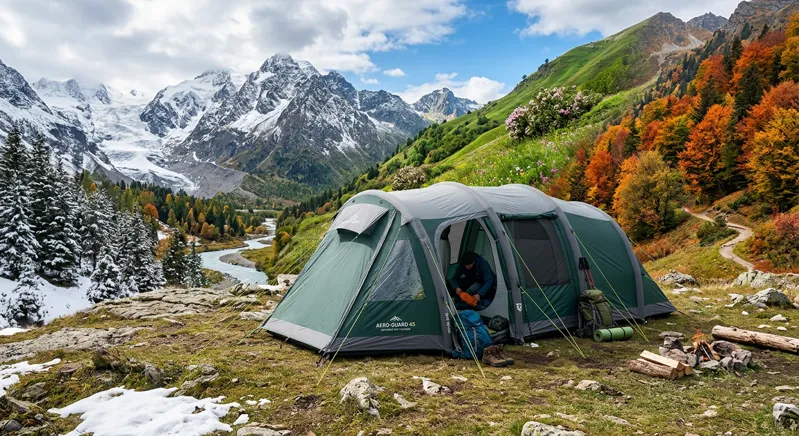
Managing Setup and Breakdown Times Without Compromising Stability
Many event planners underestimate how setup and takedown times shift with an inflatable tent 4 seasons, especially in colder months. Cold, stiff materials take longer to unpack and reinflate, and condensate buildup during winter can slow drying times, creating potential for mildew if not properly managed. Choosing tents with separate air chambers can reduce risk; if one part deflates unexpectedly, the rest keep the structure intact for safe use.
Integration of battery-powered or portable heaters inside some tents raises another logistical question: Heat can expand the air chambers, risking structural stress. Leaving enough ventilation or varying internal temperatures gradually helps prevent damage. Also, the material’s thickness required to endure a 4-season approach usually means tent setup won’t be as swift as lightweight summer-only models, and planners must factor this into their event timelines.
Outdoor teams balancing quick, recurrent setups against durability often opt for tents with faster inflation valves alongside more substantial anchoring systems. These accommodate unexpected weather changes like sudden gusts or snowfall while allowing teams to adjust pressure or stability on the fly.
Ventilation and Climate Control Considerations for Year-Round Events
An inflatable tent 4 seasons can be deceptively tricky when it comes to managing internal climate without compromising weather resistance. Winter setups often call for insulation or heating, but the air-tight nature of inflatable designs can trap moisture, leading to fogging or condensation on the interior surfaces. Ventilation features—such as mesh windows with weather flaps or adjustable vents—offer a sensible way to moderate internal temperature while maintaining structural integrity.
During summer, those same vents help release heat and humidity, preventing the tent interior from becoming unbearably warm. However, open vents create potential weak points for rain ingress, so planners must evaluate weather forecasts carefully and have covers or secondary layers ready.
Some models accommodate optional liners or thermal blankets inside the tent envelope, which can add warmth and soft lighting options but increase setup complexity. The trade-off between easy breakdown and effective climate control often depends on how long the tent needs to stay up in demanding conditions. For extended deployments, prioritize designs with easy access panels for maintenance without fully deflating.
Transportation and Storage Challenges for Inflatable Tent 4 Seasons
Storing and transporting a tent constructed for four-season durability is a constant juggling act between size, weight, and longevity. Inflatable tents built to withstand snow loads and harsh winds are naturally bulkier and heavier than their seasonal counterparts. This increase in mass impacts not only shipping costs but also the type of transport vehicle required, especially when multiple units or accessories are involved.
Compression storage techniques can minimize volume but risk damaging the air bladders or coating materials if done improperly. This makes protective cases or padded storage sacks essential, especially for rental companies or distributors who need to keep products in top shape across multiple events.
One common mistake is packing away inflatable tents while damp or dirty, which can shorten lifespan significantly. For 4-season tents, cleaning protocols must include thorough drying and careful inspection for punctures or material fatigue after each use. Quick patch kits are indispensable in these situations, but prevention through good storage practices reduces downtime and extends product life.
Customization and Branding within Durable Inflatable Tent Options
Many clients assume that adding custom branding on a rugged inflatable tent 4 seasons limits design flexibility, but advancements in printing and attachment methods have improved significantly. Vinyl decals, direct sublimation printing, or detachable banners can withstand the wear of year-round outdoor conditions if applied on the right surfaces.
The key is matching branding materials with the tent’s base fabric and understanding expected exposure. Matte finishes may perform better under bright sunlight, while glossy coatings can hold color vibrancy but might degrade faster in acidic or salty environments.
Custom access points or windows for product displays inside the tent also impact resilience. Each additional seam or zipper can introduce vulnerabilities unless reinforced appropriately. Tents designed to integrate modular branding panels often simplify this process, letting event planners adjust graphics seasonally without compromising structural strength.
Ultimately, gantries or inflatable signage enhance visibility but demand extra anchoring considerations to maintain overall stability during wind or snow loads.
Balancing weather resistance, ease of use, and customization is key when selecting an inflatable tent 4 seasons. Understanding practical limitations while anticipating specific event challenges will help you secure a reliable solution that performs in every setting.