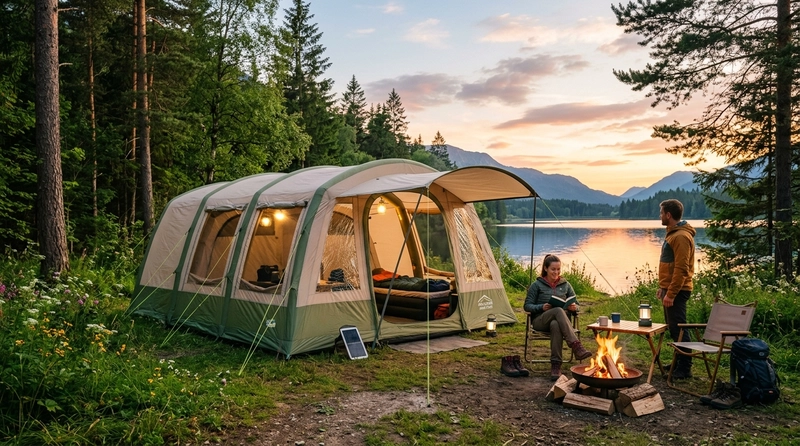
Choosing an Inflatable Tent 4 Season Based on Event Location and Weather Conditions

Picking the right inflatable tent 4 season for your event starts with understanding the typical weather and environment where it will be set up. These tents are designed to handle different climates, but the level of durability varies across models. For example, if you’re working in an area known for heavy snow or strong wind, you’ll need a sturdier structure with reinforced seams, thicker fabric, and secure anchoring points. Some inflatable tents are tailored towards milder cold weather only, not the full range of harsh conditions that a true four-season model can endure.
Keep in mind that even the best-designed inflatable tents have limitations. High winds might still require guy lines and additional support, especially if the tent is large or set up on an uneven surface. Snow load is another potential issue—while some tents are rated to bear a light accumulation, you may need to plan regular snow clearing or opt for a model with a steeper roof pitch to encourage shedding. Considering your event’s geography and the unpredictability of the weather will guide you towards a tent that balances portability with robustness.
Balancing Setup Speed and Structural Security
Inflatable tents offer one of the fastest setup options out there, a major benefit for quick turnaround events or last-minute bookings. But that speed can come at the cost of feeling less rigid compared to traditional frame tents. For a true inflatable tent 4 season, the challenge lies in ensuring rapid inflation doesn’t compromise the overall safety and stability.
Most of these tents rely on continuous air pressure, meaning they need a small blower running throughout the rental period to maintain their shape. This calls for quiet, efficient blowers since noise could disrupt events, especially those indoors or low-key gatherings. Additionally, you should check if the tent’s fabric can withstand the strain of prolonged inflation without thinning or developing leaks. Proper maintenance and inspection routines are crucial here—minor punctures or faulty seals can lead to sudden deflation and event interruptions.
Weigh the importance of speed against structural security carefully, especially for longer events or those with large crowds. Often, having a backup blower and a repair kit on-site can provide peace of mind. Consider how accessible the tent is for quick reinflation or patching if something goes wrong mid-event.
Sizing Inflatable Tent 4 Season for Diverse Event Types and Participant Numbers
Selecting the right size can be tricky, as inflatable tents tend to come in set size increments rather than fully customizable dimensions. Your choice will depend on whether you’re hosting a small VIP gathering, a trade show booth, or a sprawling outdoor festival setup.
A four-season inflatable tent often includes multiple modules or extension options so you can adjust based on the number of attendees or intended uses within the space. Still, the modular setups add complexity to transportation and setup—more segments mean longer inflation times and need for a bigger blower system. Sometimes a slightly larger single-section tent might be simpler, even if it costs more in upfront space and rental fees.
Ceiling height and internal clearance also come into play. Four-season tents tend to have slightly higher profiles to manage snow and promote better air circulation, but this can affect the tent’s footprint and wind resistance. If you need internal divisions for different event functions (like workshops alongside a main presentation area), check how easy it is to partition an inflatable tent without compromising airflow or structural integrity.
| Series | Product Model |
|---|---|
| 9292 | inflatable advertising tent |
Integrating Climate Control Solutions in Inflatable Tent 4 Season Designs
Keeping guests comfortable is a major concern for year-round event planning. Inflatable tents are great at creating instant shelter, but controlling temperature inside can be tricky due to their airtight nature and materials. Many models designed for all-season use come with venting options, but the ability to integrate heating or cooling systems varies.
Heat retention can be a blessing during winter events but a challenge during hot summer months. Insulated liners or thermal barriers are sometimes available as add-ons and make a significant difference in maintaining stable interior temps. For heating, infrared or forced-air systems must be used carefully to avoid damage to the tent fabric or the blower mechanism.
Ventilation is equally critical. Some four-season inflatable tents include built-in vents that can be opened or closed depending on conditions, helping prevent condensation buildup which can lead to mildew or discomfort for attendees. If you plan to use the tent as a dining area or enclosed meeting spot, consider how food service equipment might interact with the enclosed space, especially in terms of exhaust and odor control.
A well-planned climate control strategy balances these factors so the tent doesn’t become a sauna or a freezer. Event planners must factor in power supply needs, noise levels from HVAC units, and overall airflow patterns.
Durability and Maintenance Considerations for Long-Term Use
If you’re repeatedly supplying or renting out inflatable tent 4 season units, managing wear and tear is a day-to-day reality that directly impacts profitability and client satisfaction. These tents face unique challenges: constant inflation pressure, exposure to low temperatures, UV rays, moisture, and rough handling during packing and transport.
Regular inspections for fabric abrasion, seam integrity, and valve functionality are essential. Minor leaks can often be repaired on site with patch kits, but unnoticed damage can rapidly escalate. Storage also plays a role—high humidity or improper folding can cause mildew or fabric deformation, shortening the tent’s lifespan.
Consider investing in protective covers or cases designed for four-season tents to minimize damage during shipping. Training staff on proper inflation techniques can also prevent overstressing components. A thorough cleaning routine after each event removes dirt and salts that degrade materials over time.
Some event buyers underestimate the lifecycle costs of inflatable tents. Initial purchase price or rental fee is only a part of the equation. Planning for maintenance, backup parts, and eventual replacement is crucial to avoid mid-season failures that mess up event schedules.
Weight and Mobility Trade-Offs in Inflatable Tent 4 Season Selections
Portability is a key selling point for inflatable tents, especially when events require rapid movement between venues or difficult-to-access locations. But the components needed to achieve four-season resilience—like thicker materials, extra reinforcements, and larger blowers—add weight and bulk.
Loading and unloading require careful planning. Some larger inflatable tents 4 season might need multiple people or equipment like dollies to move safely. Setting them up often demands a flat, clean area free of sharp objects which can be hard to find in urban or busy settings.
Transportation vehicles must accommodate the tent’s size when packed and the blower units as well. If your workflow involves frequent disassembly and reassembly, this adds to labor costs and scheduling complexity. Weatherproof carrying bags or rugged cases help protect the fabric but can add to overall volume.
The goal is to find the sweet spot where the tent remains mobile enough for your operational needs without sacrificing the strength or weatherproofing required. Buying or renting inflatable tents with modular blowers or detachable components can help distribute weight and improve handling on site.
—
Understanding these real-world factors will help you select an inflatable tent 4 season that genuinely fits your event requirements, balancing durability, ease of use, and cost. This practical approach reduces surprises and helps maintain a high level of professionalism across all bookings.