Choosing the Right Inflatable Pump Up Tent for Different Event Types
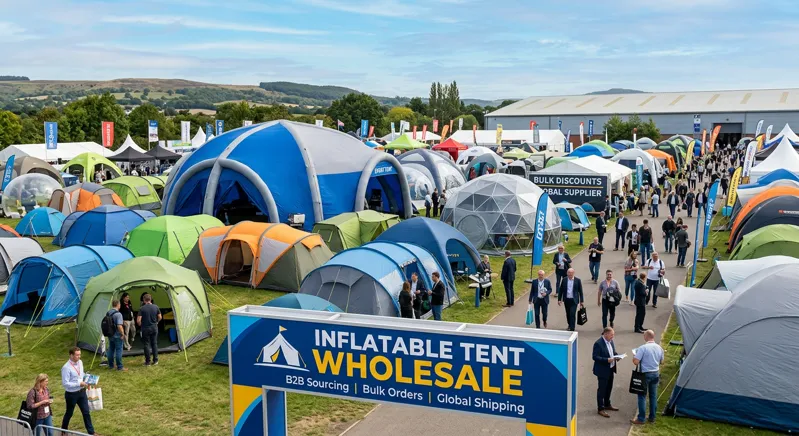
Selecting an inflatable pump up tent involves more than just picking a model that looks good. When working with professional buyers or event planners, the essential factors pivot around how the tent serves the purpose for specific events. Outdoor festivals demand easy setup and takedown, plus durability in varying weather conditions. Meanwhile, pop-up retail events prioritize branding opportunities, including space for logos and eye-catching colors.
Consider the size and stability of the tent in relation to the type and number of visitors expected. Smaller tents work well for registration points or information booths, but for a large crowd or activities requiring booths side-by-side, a bigger structure or linked tents might be necessary. The ability to quickly inflate and deflate the tent with a single pump streamlines event logistics and reduces labor costs, especially when handling multiple setups in one day or across several locations.

Durability and Weather Resistance: What to Expect from Inflatable Pump Up Tents
Durability isn’t just about resisting rips—it’s about how the tent performs under different weather conditions. A common misconception is that inflatables are delicate, but high-quality inflatable pump up tents often use robust materials like ripstop polyester with waterproof coating, which can stand up to heavy rain and moderate winds.
Still, it’s important to note the weight and anchoring methods. While inflatables offer quick assembly, they lack the rigid frame of traditional tents. This makes them more vulnerable to strong gusts. Proper anchoring with weights or stakes becomes critical outdoors. Some buyers underestimate this, leading to tents that might shift or even lift during an event. Check if the tent’s design includes reinforced anchor points and if the pump system you use can maintain air pressure over hours without needing constant adjustment.
Balancing Portability and Size in Inflatable Pump Up Tents
Portability is one of the biggest selling points for inflatable pump up tents, but there’s a trade-off. Larger tents mean larger pump units, heavier packs, and longer inflation times. If your clients need to move frequently between locations or pack the tent in restricted vehicle space, compact models with fewer modules might be better.
Still, a very small tent might not provide sufficient interior space or height for comfortable use, and sometimes, clients feel cramped or unable to display products effectively inside. Checking the packed size, weight, and inflation cycle time with your storage and transport options is a crucial step before purchasing. Moreover, certain tents come with electric pumps that are more efficient but require power sources, potentially complicating logistics in remote or outdoor settings.
Branding and Customization Considerations for Inflatable Pump Up Tents
Promotional events thrive on visibility. Inflatable pump up tents are excellent canvases for branding, with many models allowing full-coverage printing or color matching. Still, not all tents handle custom graphics equally well. If the event involves high exposure to sunlight, fading and weathering of prints can become a concern over time.
It’s worth discussing with your supplier how the printing is applied—whether it uses digital printing, screen printing, or heat transfers—as each method impacts durability and vibrancy differently. For repeat clients or distributors, finding a balance between upfront cost and long-term appearance is key. Custom shapes or unusual colors may increase lead time and require more careful storage to prevent fading or damage.
Additionally, tents with multiple inflatable chambers offer design flexibility but add complexity to maintenance and repair. Should an air chamber fail, the entire tent’s branding might be affected by the resulting deformations.
Maintenance, Repair, and Longevity Expectations
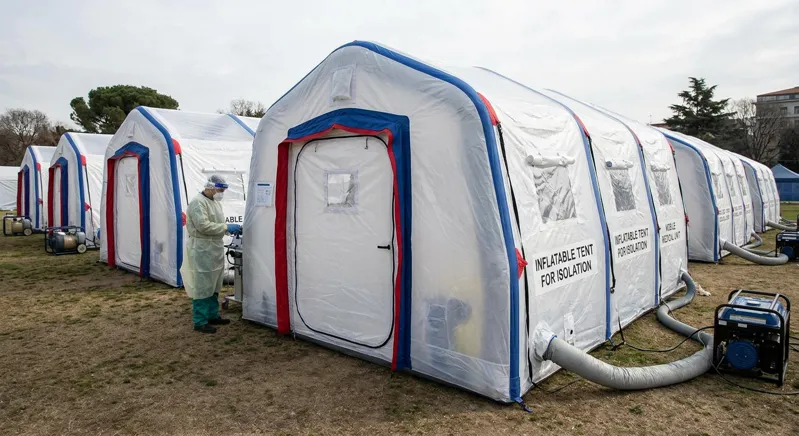
Inflatable pump up tents offer fantastic convenience, but they do require proper care and occasional repair to maintain performance. Routine checks for leaks are necessary because even a slow puncture can lead to sudden deflation mid-event. Many buyers don’t realize the importance of carrying patch kits and spare parts when working in the field.
Cleaning methods also vary based on material coating. Using harsh chemicals or abrasive brushes damages waterproof layers. Instead, mild soap and soft cloths are standard recommendations. Proper drying before storage is critical to prevent mold and mildew, especially when tents are packed damp.
Repairs should prioritize professional fixes, particularly for seams and valves, which may impact overall air pressure stability. Understanding that inflatable tents generally have a shorter lifespan compared to traditional steel-frame tents helps buyers set realistic replacement timelines and budgets.
Assessing Cost-effectiveness Beyond Initial Purchase
Initial prices for inflatable pump up tents can be attractive, but the full cost of ownership includes maintenance, storage, transportation, and potential downtime due to repairs or weather-related damage. For distributors or event planners ordering multiple tents, volume discounts may reduce upfront costs but increase the complexity of inventory management.
Another factor is the pump system’s durability and energy consumption. Cheaper pumps might save cash initially but need replacing sooner or run inefficiently, inflating operational costs. Some suppliers bundle tents with pumps to ensure compatibility and longevity, but this can limit options for customization or upgrades.
Overall, these tents work best when their flexibility and portability align with event frequency and scale, and when end users are prepared for the upkeep involved. Understanding a client’s priorities allows you to guide them toward tents that deliver the right performance, not just the lowest price.