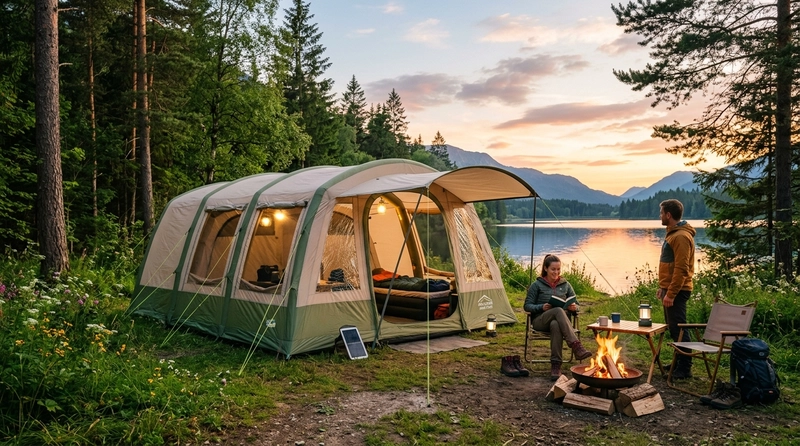
Inflatable Promotional Tent for Variable Event Environments
When planning an outdoor event, one of the biggest challenges is finding shelter that is easy to set up and versatile enough to handle shifting weather conditions and event layouts. Inflatable promotional tents offer a compelling alternative to traditional pop-ups or frame tents, especially for professional buyers who need quick assembly and a distinctive presence. However, not every inflatable tent suits all environments.
For instance, in urban settings where space can be limited but visibility is crucial, smaller inflatable tents with printed sidewalls offer excellent branding opportunities without overwhelming the footprint. Conversely, large festival grounds or trade shows may require tents with higher ceilings and wider spans to accommodate bigger crowds or equipment setups. Material choice also matters; lower-denier fabrics might save cost but fall short on durability, especially with repeated use in rough outdoor conditions.
Inflatable promotional tents typically rely on continuous airflow or fully sealed air chambers. Event planners must consider locations with limited power access, as constant inflation may require generators or battery packs, complicating logistics. On the flip side, sealed air designs reduce noise and energy demands but often come with longer setup times. Understanding these trade-offs helps distributors recommend tents matching their clients’ operational realities.
Balancing Branding Impact and Practical Use in Inflatable Tent Design
Picking an inflatable promotional tent isn’t just about size or shape; the design directly impacts how effectively a brand message gets communicated and how well the tent functions in practice. Customization offers standout visibility—complete branding wraps, vibrant colors, and unique shapes—but there’s a limit to what can work best depending on intended use.
For example, inflatable domes capture attention but might hinder visibility inside if natural light is limited or if ventilation becomes an issue. If your client’s event is in a hot climate, fully enclosed tents cause heat buildup unless mesh or windows add airflow, but that compromises branding real estate. Sometimes, simpler tents with removable branded panels strike a better balance between function and promotion.
Storage and transport logistics also play into design choices. Inflatable promotional tents can pack down smaller than hard-frame tents; still, the weight and volume of the accompanying blower equipment add complexity. Buyers who manage multiple events often prioritize tents that strike the right chord between impactful presence and ease of handling, especially when event staff must transport and set up the tent repeatedly on tight schedules.
Practical Considerations Around Setup and Safety for Inflatable Promotional Tents
Despite the apparent ease of inflatable promotional tents, there are operational nuances that can catch planners and distributors off guard. Setup times vary widely, depending on size and blower systems used. Larger tents with integrated lighting or sound systems take longer to rig, which needs to be factored into event timelines.
Safety plays a significant role—anchoring inflatable tents securely can be more challenging than traditional marquee tents. Gaining familiarity with ground conditions is critical. Soft soil, concrete, or pavement each require different anchoring methods, including water barrels, weighted bags, or stakes. Using improper anchoring setups increases the risk of the tent becoming an unsafe hazard during windy conditions.
Regular maintenance is another angle. Inflatable tents are prone to punctures or wear along air seams, especially when clients reuse the same model extensively. Having a reliable repair kit onsite or access to fast servicing can prevent a minor tear from derailing an event. If the equipment isn’t handled with care during setup or breakdown, damage can worsen quickly, compromising future use.
| Number | Product Model |
|---|---|
| 4610 | car camping tent |
Managing Costs Without Sacrificing Quality or Functionality
Investing in inflatable promotional tents can vary from budget models designed for occasional use, to top-tier units built for hundreds of deployments. For businesses ordering high volumes or renting out tents regularly, striking the right cost-quality balance is vital.
Lower-cost tents often forgo reinforced wear areas or offer limited customization options, which can affect longevity and branding impact over multiple uses. On the other hand, ultra-premium tents can feature flame-retardant coatings, modular configurations, and detailed finishes but might price themselves out for smaller events or one-off activations.
Buyers should also calculate the indirect costs—additional equipment like blowers, spare parts, protective bags, and transport cases add up quickly. Vendor support and warranty terms are key factors, as unexpected defects can impact event continuity and cause cash flow disruptions.
For distributors, offering tiered product lines helps meet various client budgets while allowing upselling opportunities based on the event scale and duration. Educating buyers on realistic lifespan expectations for different tent grades helps prevent misunderstandings and builds long-term trust.
Addressing Environmental and Regulatory Challenges in Tent Usage
Local regulations around outdoor advertising, fire safety, and temporary structures can pose hurdles for inflatable promotional tent deployments. Different municipalities enforce varied rules on permits, maximum sizes, and material specifications.
For instance, flame-retardant material certification is commonly required for tents used in public events, so confirming compliance upfront with suppliers is non-negotiable. Inflatable tents generally need inspection and approval by fire marshals, especially if crowds exceed a certain number or if cooking takes place nearby.
Event planners also encounter environmental challenges such as severe winds, rain, or uneven terrain that affect where inflatable tents can be safely deployed. In some cases, the event site may restrict inflatable structures due to potential damage caused by stakes or weights.
Navigating these factors demands proactive consultation with local authorities and thorough site assessments. Adequate insurance coverage is another area often overlooked but essential in mitigating risks related to tent failure or accident incidents.
Incorporating Technology and Innovation into Inflatable Promotional Tent Solutions
Technology is gradually enhancing inflatable promotional tents beyond just air inflation mechanics. Innovations include integrating LED lighting to boost visibility after dark, solar-powered blowers for energy efficiency, and modular connectivity allowing adjacent tents to link seamlessly.
Some manufacturers now embed digital print panels compatible with quick-change graphics, enabling event professionals to swap branding messages rapidly for different campaigns. Such flexibility reduces long-term branding costs and supports multi-event tours.
Interactive elements like QR codes or augmented reality features embedded on the tent’s surface open new engagement avenues for attendees. Although these advancements come at a premium, they can significantly elevate the experiential aspect of outdoor activations.
Choosing technology-driven options means evaluating compatibility with existing event infrastructure and training staff on setup nuances. But for buyers wanting to stay competitive and innovative in promotional events, these developments offer promising pathways.
—
Understanding how to match an inflatable promotional tent’s capabilities to your specific event and client requirements avoids costly missteps and boosts the success of every activation. It requires balancing design, usability, cost, and compliance considerations while keeping practicality front and center.