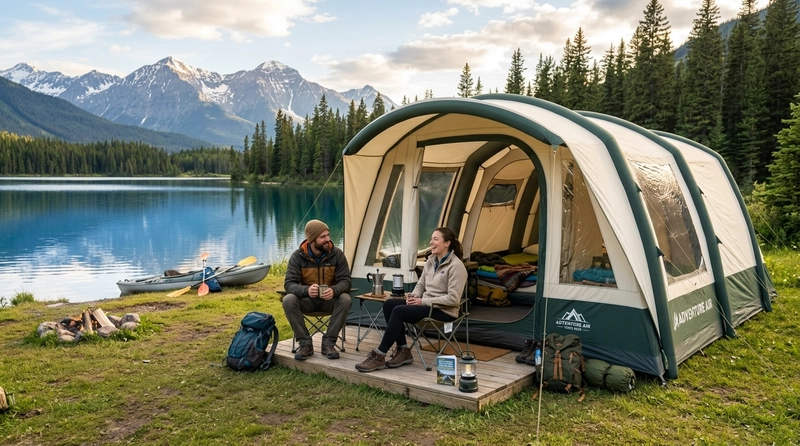
Inflatable House Tent for Different Event Settings
Picking an inflatable house tent that suits your event’s environment is more nuanced than many expect. You could have the sleekest design and top durability, but if the tent isn’t the right fit for where it’s deployed, its effectiveness drops sharply. Outdoor trade shows, private garden parties, or community festivals all demand distinct qualities in tents.
Look at the space you have available and consider guest flow. A compact inflatable house tent might be perfect for a rooftop launch event or a narrow alleyway at a street fair, but too small for a large outdoor concert where attendees expect more wiggle room. Pay attention to dimensions—not just floor footprint but also height clearance and tent wall flexibility. Some tents come with adjustable panels or modular designs to adapt. Think through the weather conditions likely at the location; wind, rain, or intense sun exposure can impose limitations on inflatable structures, no matter how robust.
This attention to context will guide many choices ahead—size, weight, portability, and anchoring options—ensuring the inflatable house tent you pick will function well throughout the event.
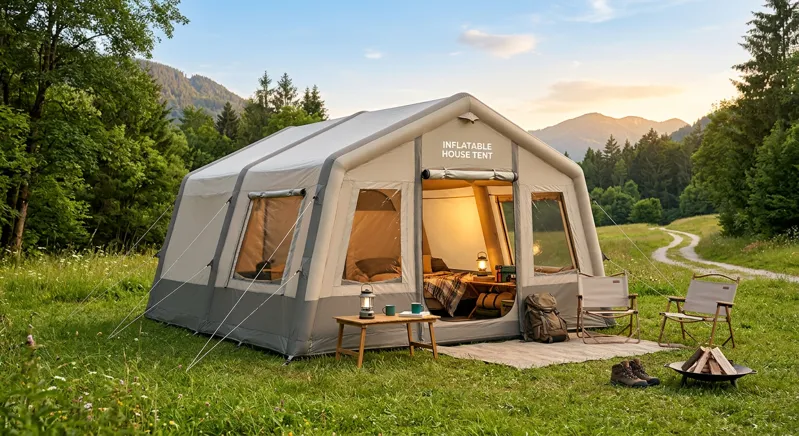
Understanding Set-Up Logistics and Timing Constraints
Setting up an inflatable house tent tends to be quicker than traditional tents, but that doesn’t mean it’s without challenges. For event planners working with tight schedules, figuring out staffing needs and equipment setup times is critical.
The inflation process itself depends on the air pump’s capacity and power source availability. If the event site lacks electricity, you might need battery-powered or manual inflation devices, which take longer and require more effort. Also, remember that some inflatable house tents come with built-in air chambers that keep the tent inflated for longer periods without continuous power, while others need constant airflow.
Consider how easy it is to anchor the tent. Inflatable structures can be lighter than frame tents, so secure fastening is essential in windy conditions, or they risk shifting or collapsing. This might require additional weights or specific anchoring gear, which you should factor into your transport and inventory planning. Always allocate buffer time to test inflation and secure anchors before the event starts.
Holding a dry run before the actual event day pays dividends, helping you avoid last-minute hiccups that could affect guest experience.
Weighing Durability Against Portability in Material Choices
The materials used for an inflatable house tent can range widely—from lightweight PVC and nylon blends to heavier-duty vinyls with specialized coatings. Heavier tents generally offer better durability and weather resistance but can be cumbersome to move and store.
If you’re often shifting locations or working multiple events in quick succession, lean toward lighter materials that pack down small. The trade-off is that these might be more prone to punctures or wear, especially in rough terrain. Conversely, a sturdier tent might require more transport planning, like a larger vehicle or more hands on deck, but stand up better to adverse conditions and repeated use.
Another factor is ease of cleaning. Vinyl-coated fabrics repel water and dirt better but might take longer to dry after rain. Nylon is quick drying but can absorb stains easier. Choosing a tent with removable, washable components can save time post-event.
Balancing durability and portability hinges on your typical event types and the logistical setup your team can consistently manage.
Planning for Customization and Branding Opportunities
Inflatable house tents offer excellent surfaces for branding, but their flexible fabric walls come with quirks compared to rigid signage or frame tents. Printing directly onto the material works well for smooth surfaces but may distort when the tent is inflated or folded.
For events where branding visibility is key, factor in how the tent’s design or its shape will impact the graphics’ legibility and impact. Larger, flatter panels tend to deliver clearer, bolder visuals. You might also explore removable or interchangeable banners that attach to the tent’s exterior, providing adaptability for different marketing messages over multiple events.
Color choice affects more than aesthetics. Darker tents absorb heat and can raise interior temperature, which might affect guest comfort. Lighter colors keep things cooler but might show dirt and stains sooner. This is particularly relevant when the inflatable house tent doubles as a meeting space or product showcase.
Assess what sort of custom printing options your supplier offers, including digital printing quality and turnaround times. That way, you’ll avoid surprises when deadlines loom, and last-minute design tweaks are necessary.
Addressing Safety and Compliance Factors on Site
Safety is a non-negotiable, especially with inflatable structures where air pressure and integrity are central to stability. The tent should have clear guidelines detailing maximum wind speeds tolerated, recommended anchoring methods, and emergency deflation procedures.
If your event is subject to local codes or fire regulations, verify that the inflatable house tent is made from flame-retardant materials and that it meets certification standards required for public gatherings. These certifications aren’t a checkbox exercise; they impact the type of insurance coverage you can get and the liability you assume.
Regular inspections during the event are advisable to spot any punctures, leaks, or weakening seams. Even a tiny hole can escalate to larger issues quickly. Having a repair kit on hand or quick access to support services can make all the difference.
If guests need to enter and exit frequently, consider how entrances are designed to avoid tripping hazards or bottlenecks, especially if the tent is used for ticketing or giveaway stations.
Choosing the right inflatable house tent means thinking beyond just aesthetics or price—good decision-making blends physical limitations, operational realities, and compliance to deliver a smooth event experience.