Weighing Convenience Against Durability on the Campsite
While inflatable furniture for camping offers a clear advantage in terms of portability, it’s important to understand the trade-offs between convenience and longevity. Event planners and professional buyers often appreciate the ease of transport these items allow—lightweight, compact, and quick to set up. However, these benefits sometimes come at the cost of durability, especially in rugged outdoor environments where sharp rocks, sticks, and uneven terrain are common.
For example, although inflatable chairs and loungers are fantastic for short stays or casual camping trips, they may not stand up well to extended use or rough handling. The materials used are typically PVC or TPU-coated fabrics that balance flexibility with resistance, yet they’re still more vulnerable than traditional camping furniture made from wood, metal, or polyester.
When selecting inflatable furniture for camping, consider the environment it will be subjected to. If you’re organizing an event in a grassy, relatively smooth area, the risk of punctures or tears is reduced. But in forested or heavily rocky sites, additional care or backup options might be necessary. Some inflatable products come with protective valances or are designed with rugged bottoms to minimize damage but won’t fully eliminate the risk. This is a factor savvy buyers have to anticipate, especially when supplying high-use equipment for rental or large group events.
Size and Seating Capacity: Matching Furniture to Group Needs
Choosing inflatable furniture for camping isn’t just about picking the first lightweight chair you come across. It involves matching the size and seating capacity to the attendees’ profiles and the event’s nature. Buyers must balance comfort with portability and storage footprint.
Inflatable sofas and loungers come in a range of sizes—from single-seat armchairs to sectional-style sofas that can seat four or more comfortably. While larger pieces provide more comfort and a social vibe, they also increase packing volume and inflation time. That’s a common complaint: the bigger the item, the more effort required to inflate and deflate it, which adds to set-up and teardown times at events or campsites.
Conversely, smaller inflatable stools and ottomans are incredibly compact and fast to inflate but might not suit clients expecting more comfort or longer seating periods. Also, consider the average weight capacity of each item, as inflatable furniture generally supports less load than traditional sturdier pieces. This becomes a critical point if groups include heavier adults or when multiple people share a single piece.
Evaluating these factors early helps planners avoid last-minute complications. When managing large orders, it’s often better to mix a few bigger, more comfortable items with several smaller, easily replaceable pieces to cover diverse needs without complicating transport logistics.
Inflation Methods and Impact on Event Timing
Inflatable furniture for camping requires inflation, which can impact an event’s schedule depending on the method used. Manual pumps, battery-powered inflators, and even foot pumps all have different power levels, noise footprints, and portability considerations.
Manual hand or foot pumps are budget-friendly and don’t rely on electricity, making them popular for remote campsites. However, they require labor input and can become tedious when inflating multiple large pieces. On the other hand, electric inflators, including rechargeable models, speed up setup time considerably but require reliable power sources and sometimes generate noise that may disturb attendees.
For large-scale or frequent events, investing in higher-quality electric pumps can streamline operations and reduce labor costs significantly—though logistics planners may need to carry or rent portable generators for power. Battery-powered pumps offer a middle ground but typically have shorter run times, requiring frequent recharges unless additional batteries are available.
The choice often depends on site conditions, the quantity of furniture items being set up, and the manpower available. A reliable workflow might involve multiple pumps of different types, allowing versatility on varying terrain or conditions.
| Series | Product Model |
|---|---|
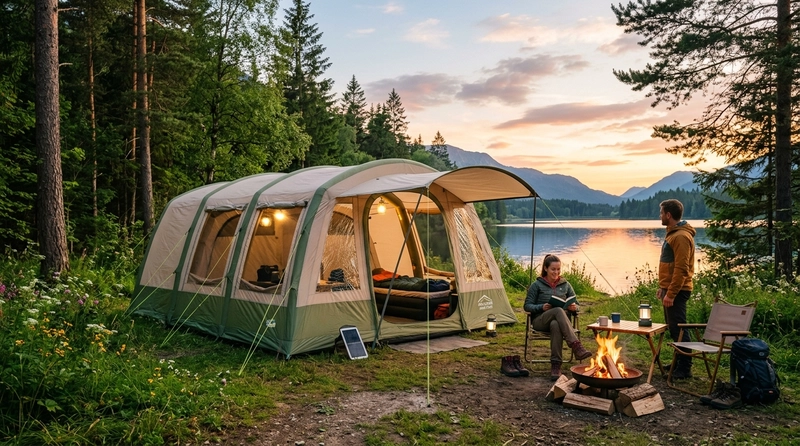
| 3988 | inflatable air tent house |
Maintenance and Storage: Extending Service Life
Maintaining inflatable furniture for camping isn’t just about patching holes. Regular care impacts its usability over multiple events or camping seasons, safeguarding the investment.
Proper cleaning after use is essential. Dirt, moisture, and debris can weaken seams or attract mold if stored improperly. A thorough wipe-down with mild soap and water is usually enough, but furniture should never be folded or stored when still damp. Dry, cool storage reduces the risk of material degradation caused by heat or UV exposure.
Repairs require quick attention to minimize downtime. While many inflatables include patch kits, professional buyers often keep spares or contract repair services, particularly for high-use items. Knowing common failure points helps too—valve areas and seams often need the most attention.
Storage volume is another factor to consider. Although inflatable furniture compresses down considerably, storing multiple pieces requires organization and dry conditions. Overstuffing bags or crushing the stored inflatables can lead to premature leaks or weakened fabric adhesions. Investing in dedicated storage cases or shelves improves longevity and makes inventory management easier.
Environmental Factors Affecting Performance
Inflatable furniture for camping performs differently depending on environmental conditions. Temperature, humidity, and UV exposure all affect both comfort and material integrity.
Cold temperatures cause the air inside inflatable pieces to contract, leading to reduced firmness and saggy seats. This can make furniture uncomfortable and even structurally unsound in colder climates. Some products recommend topping off inflation in cold weather or avoiding use during freezing conditions altogether. Buyers working with event planners in mountainous or northern locations should factor this in.
High temperatures cause the opposite effect: air expands, and overinflation risks seam stress and potential bursts. In sunny, hot conditions, it’s best to monitor inflation levels and adjust as needed throughout the day.
UV exposure gradually breaks down plastics, so choosing furniture with UV-resistant coatings or darker colors helps extend service life. Covering or placing inflatable furniture in shaded areas lowers damage risks during long outdoor events.
Humidity and rain also pose challenges. Moisture can creep into seams and valves and cause mold if not dried thoroughly. Even if water-resistant, inflatable furniture isn’t fully waterproof and typically shouldn’t be used as sleeping furniture in heavy rain conditions.
Understanding and planning around these variables keeps inflatable furniture practical and safe for camping use, especially in professional event applications.
Transportation and Packaging Realities
Lastly, the logistics of moving inflatable furniture for camping can be deceptively tricky. Even though items fold down compactly, the total weight of multiple units plus pumps, repair kits, and storage bags adds up quickly—especially for distributors handling large shipments.
Packaging materials need to protect delicate valves and seams during transit. Over-compression can cause micro-damage that shortens product lifespan, so cushioned packaging or separating units within cartons is advised.
Transport vehicles also affect what’s feasible. Smaller vans or cars limit the number of pieces carried per trip, while larger trucks permit bulk shipping but require more planning for loading and unloading.
Some suppliers offer packaged sets that come with organized storage solutions to ease transport and on-site distribution. These can be a boon when planners need furniture spread across multiple tents or zones but may raise costs or require compromises on choice and flexibility.
Balancing convenience, protection, and transport costs is part of the practical puzzle that event equipment professionals face when integrating inflatable furniture into their camping inventories. Understanding these nuances helps buyers and planners set the right expectations and optimize operational workflows over time.