
Choosing the Right Inflatable Display Frame for Your Event
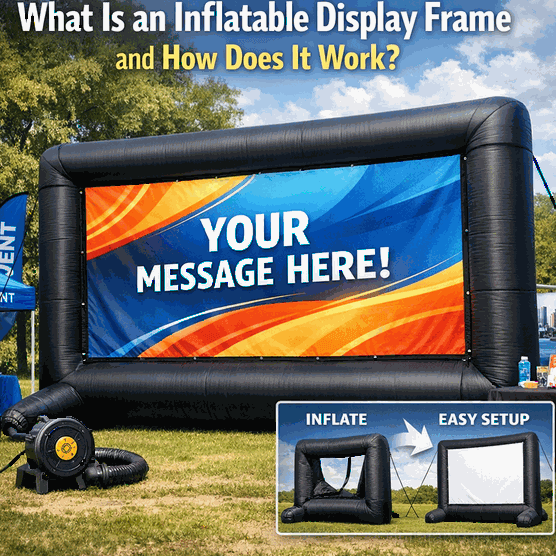
Selecting an inflatable display frame starts with understanding what you need it to do. These frames are often used at trade shows, outdoor festivals, or pop-up retail events where visibility and ease of setup matter. They act as a structural outline for printed graphics or signage, using air pressure to remain rigid and eye-catching.
One challenge that comes up regularly is deciding between single-wall versus double-wall inflation. Double-wall versions tend to be sturdier and keep their shape better over long periods, but they also weigh more and can be pricier. Single-wall frames might be enough for shorter runs or indoor use, especially when ease of transport is a priority. You’ll find that your choice often boils down to balancing durability against portability.
Another practical consideration is the frame’s size and inflation time. Larger inflatable display frames will need more powerful pumps and longer setup times. If the event requires quick changes or moves, opt for a frame size that matches your operational tempo rather than going simply for the biggest display. Overly large frames can create bottlenecks during installation and demobilization.
Understanding Inflation Mechanisms and Setup Practicalities
Most inflatable display frames use electric air blowers or pumps to maintain pressure. The continuous airflow method—which involves a blower running throughout the event—ensures the frame stays firm but needs access to power sources. Battery-operated options exist but typically support smaller sizes and shorter durations.
There’s a trade-off between nonstop airflow designs versus sealed, self-supporting frames. Sealed inflatable display frames rely on high-pressure inflation and airtight valves to hold their shape without continuous power, but they tend to be thicker, heavier, and may take longer to inflate. Your choice impacts not only setup logistics but also transport and storage.
Keep in mind environmental factors like wind and weather. Inflatable frames tend to be less stable than rigid structures in high winds, even with anchoring. If your event is outside, consider adding weighted bases or tie-down points, and test stability beforehand.
Balancing Graphic Application Methods with Frame Durability
The best inflatable display frame can only be as effective as the graphics it holds. Graphic application varies depending on whether the frame includes internal pockets or external clips. Some frames have a zipper or velcro system where printed fabric sleeves slide over the structure. These sleeves are typically made with lightweight polyester or similar materials for flexibility.
Stretch fabric sleeves have the advantage of hiding wrinkles and ensuring smooth visuals but can be tricky to install without practice. They also add an extra step to the setup and breakdown process. On the other hand, direct graphic attachment systems—like clips or hooks—offer faster application but might risk tearing fragile materials if handled incorrectly.
Frame durability also matters when attaching graphics. Inflatable display frames made with reinforced seams and heavy-duty fabrics cope better with repeated graphic changes and transport stresses. Cheaper models may develop leaks faster, especially when handled aggressively during graphic swaps.
Storage, Transport, and Maintenance Realities
One of the biggest benefits of inflatable display frames is their pack-down size, which leads to easier transport and storage compared to rigid aluminum or metal frames. Once deflated, many models fit into a compact bag that can be stored in a typical event van or even airline luggage compartments.
Still, proper handling is key to extending lifespan. Make sure the frame is fully dry before packing away. Moisture trapped inside can lead to mold or fabric breakdown over time. Carrying the blower separately ensures you’re not damaging valves or hoses during transit.
Minor punctures can happen and knowing how to make quick repairs on-site is a valuable skill. Most inflatable frames come with repair kits containing patches and adhesive. Practicing the repair beforehand means you won’t be stuck if the unexpected happens during an event.
Lastly, regularly check the inflation valves for wear and replace them as needed. An unexpected leak can jeopardize your entire display at critical moments.
Integrating Inflatable Display Frames into Larger Event Setups
Inflatable display frames are versatile but work best when integrated thoughtfully into the overall event environment. Since they rely on airflow and often power, place them near accessible outlets or carry portable power solutions.
Consider sightlines and flow of foot traffic. Because inflatable frames can be substantial in size but still flexible, they may need anchoring to prevent accidental tipping by crowds. Plan for how they’ll interact with tents, stages, or adjoining displays.
Lighting also plays a role. Ambient or spotlighting helps the graphic pop, but the frame’s material can affect how light diffuses. Certain fabrics offer better color vibrancy, which can enhance brand messaging significantly in dimmer settings.
When transporting multiple inflatable display frames, label each carefully with operating instructions or setup photos. This helps your crew stay efficient, especially with diverse event teams or when tight schedules demand quick turns.
Using these real-world pointers can help event planners and distributors avoid common pitfalls when working with inflatable display frames, making them a dependable choice for visual impact without complex logistics.