
Choosing the Right Inflatable Chair for Baby’s Comfort and Safety
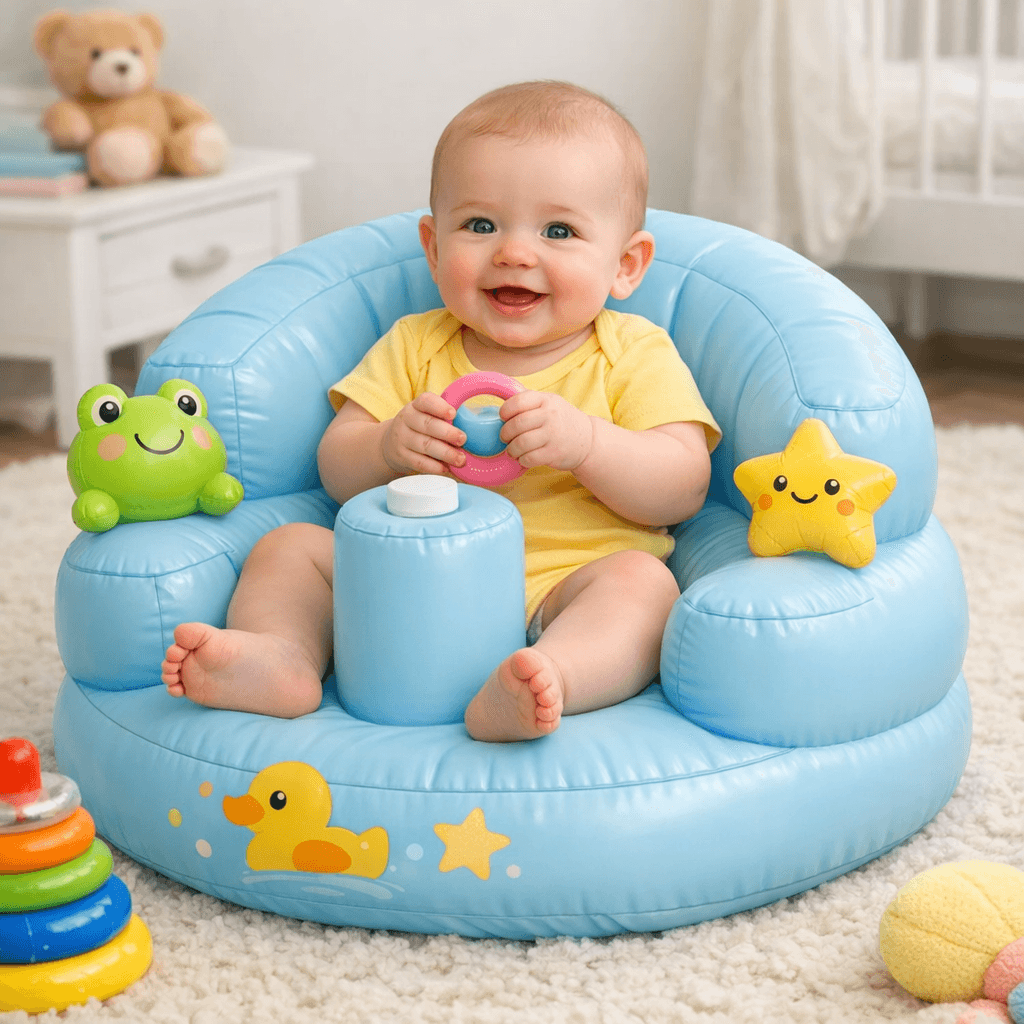
When sourcing inflatable chairs for babies, it’s crucial to balance comfort with safety. Babies differ greatly in size and muscle control, especially in the earliest months, so a chair that’s too big or lacks proper support can do more harm than good. Many buyers initially focus on bright colors and appealing designs because they catch the eye, but these are secondary concerns compared to seat stability, material quality, and how securely the chair supports the baby’s posture.
Materials make a big difference. PVC is common, but it varies widely in thickness and flexibility. Thicker, non-toxic PVC provides better support and lasts longer, especially when the chair endures multiple inflations and daily use. Also, the seams must be strong and carefully welded to prevent unexpected air leaks—an obvious safety risk. Some suppliers offer inflatable chairs with reinforced double-layered bases which prevent tilting and provide a stable seating experience, something worth considering when planning bulk orders.
If your clients require functionality over flash, look for chairs that include safety harnesses or belts. While these aren’t standard for all inflatable baby chairs, they add an essential layer of security—particularly for very young babies or babies estimating their first attempts to sit upright. The addition of a harness helps limit slippage and awkward positions that might strain the back or neck. This is where many suppliers differ, so double-check product specs, especially if your buyers cater to cautious parents or childcare centers.
Portability and Ease of Use Affect Decision-Making
One reason inflatable chairs appeal to many businesses is their portability. For event planners and distributors, the fact that these chairs deflate into compact shapes is a major selling point. However, not all models are equally practical in this regard. Some inflatable chairs, while lightweight, take longer to inflate or require electric pumps that aren’t always available at venues or for traveling sales demonstrations.
There’s also the trade-off between quick deflation and chair durability. Thinner materials inflate and deflate more rapidly, but they wear out fast and may develop holes after heavy use. On the other hand, some inflatable chairs come with a manual inflation valve designed for fast air release while still maintaining firmness during use. These some-what sophisticated valves simplify packing up gear after events.
For distributors stocking these items, packability is often worth a slight hit in terms of chair rigidity. This might mean selecting chairs with smaller but more frequent air chambers, helping maintain shape but increasing inflation complexity. It’s essential to consider how often the end clients will inflate and deflate the chairs over time. Bulk purchases for event rental companies have to balance durability with client expectations around fast setup times.
| Index | Product Model |
|---|---|
| 9564 | advertising inflatable tent |
Managing Hygiene and Maintenance in High-Use Environments
Facilities like daycare centers or pop-up event venues demand equipment that’s easy to sanitize. Inflatable chairs for babies can be challenging in this area if made from porous materials or complex designs with air chambers.
Around babies, anything that holds moisture risks mold and bacteria buildup, which means the choice often boils down to solid-surface materials that wipe clean effortlessly or covers that can be removed and laundered. Some suppliers offer inflatable chairs with vinyl coated in antimicrobial agents—these reduce bacteria growth, but they usually come at a premium. For clients planning to rent or reuse chairs frequently, this can be a worthy investment.
Another concern is the risk of accidental punctures during cleaning or transport. Public settings often see furniture dropped or scraped, so having repair kits handy is a necessity. Some chairs include patch kits with replacement adhesives that clients appreciate, while others don’t. It can sometimes be a deciding factor for buyers who prefer practical, maintenance-friendly options.
Size Variations: Matching Different Baby Age Ranges and Weights
Infants grow quickly, so inflatable chairs designed for babies need to consider weight limits and seat dimensions carefully. You’ll encounter chairs labeled for “0-12 months” or “up to 15 kg,” but these general guidelines can be misleading.
Smaller chairs tend to offer better support for infants who cannot yet sit independently. The challenge is that smaller units may be outgrown quickly or provide inadequate space for babies to move comfortably as they approach crawling stages. Conversely, larger inflatable chairs accommodate growth but may not provide essential head and neck support to younger babies.
It helps to represent several models covering different age and weight ranges, allowing buyers to position products for larger market segments. Many distributors combine smaller, nest-sized inflatable seats with toddler-friendly chairs to ensure a smooth transition for families. Sometimes, inflatable chair sets come with adjustable inserts or padded cushions to adapt as the baby grows, though these accessories aren’t universal.
Transit and Storage Considerations During Bulk Shipments
For wholesalers and distributors ordering inflatable chairs for babies in large quantities, freight cost and storage efficiency aren’t trivial concerns. Inflatable furniture promises excellent storage benefits over rigid baby seats, but it doesn’t make packaging mistakes risk-free.
Air loss during transit can cause chairs to arrive only partially inflated or misshapen, especially if the packaging isn’t durable enough or lacks proper sealing. This can frustrate buyers expecting products ready for immediate use. Choosing suppliers that offer vacuum-sealed or screw-cap packages helps mitigate this, but it sometimes comes with slightly elevated costs.
On storage, fragile valves and sewn seams are vulnerable to environmental hazards such as extreme heat, which can degrade materials over time. For businesses ordering large quantities, ensuring climate-controlled warehouse space or storage rooms can prevent damage. Bulk buyers often negotiate with suppliers about minimum order quantities to receive higher quality packaging or reinforced protection for sensitive items.
In the end, inflatable chairs for babies serve many buyers well, but careful evaluation of product features beyond the surface appeal reduces surprises and returns. Understanding detailed use cases, trade-offs, and customer priorities helps event planners, distributors, and professional buyers select options tailored for reliability and longevity.