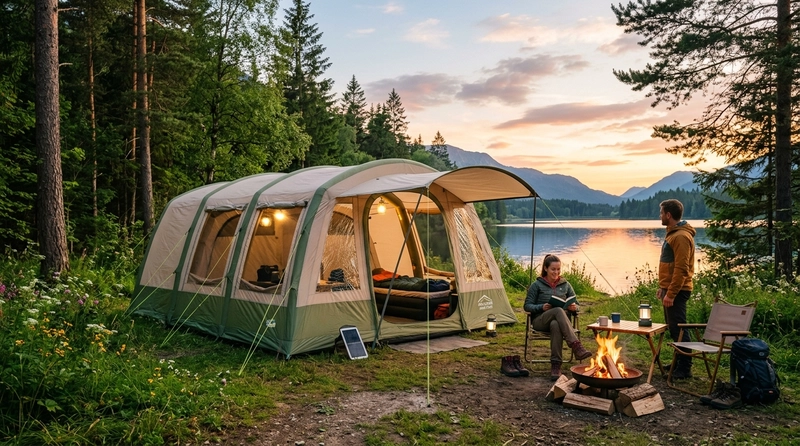
Inflatable Camping Tent for Sea Adventures: Stability and Durability Concerns
Camping by the sea presents unique challenges that an inflatable camping tent for sea use must handle effectively. Sea breezes can shift from gentle to strong unexpectedly, and salty air accelerates wear and tear on materials. Selecting a tent that can withstand gusts without collapsing is crucial. This means paying attention to the design of air beams and anchor points. Unlike traditional pole tents, inflatable versions rely on pressurized air columns, so durability of those air chambers and their ability to maintain pressure is essential.
Materials with UV-resistant coatings and marine-grade fabrics help mitigate the corrosive effect of salt. However, stronger fabrics can slightly increase the weight of the tent, impacting portability. It’s a trade-off many outdoor planners consider worthwhile when the tent’s longevity and performance in seaside conditions are priorities.
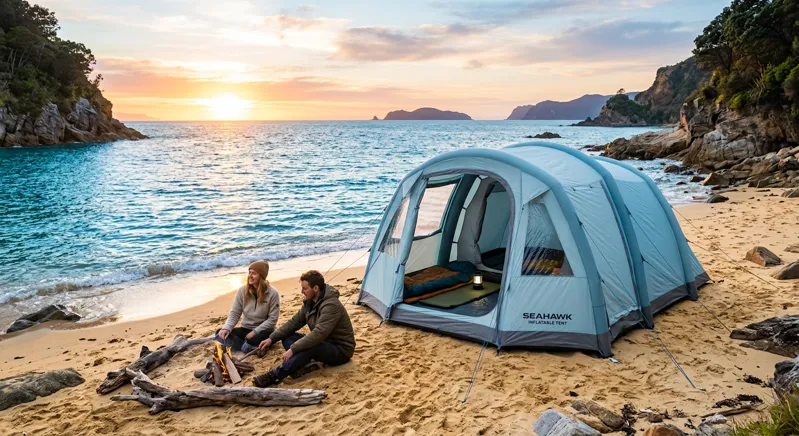
Managing the Setup and Takedown Process on Sandy or Rocky Shores
Setting up an inflatable camping tent for sea-side use often means dealing with uneven or shifting ground surfaces. Sand and small rocks complicate anchoring. While stakes work well on solid earth, they tend to shift or come loose in sand. Inflatable tents designed for beach use may include sandbags or specialized anchors that reduce the risk of the tent lifting or sliding during storms or high winds.
Inflation itself is typically quick, using electric or manual pumps, but ensuring the tent remains securely fastened can take extra time and care compared to a backyard setup. If an event planner or distributor is providing equipment for multiple seaside sites, they must factor in additional time and staff training to manage these terrain-specific challenges effectively.
Ventilation Strategies in Inflatable Camping Tents Facing Sea Humidity
The sea air is often humid, which can cause discomfort and condensation inside a camping tent. An inflatable camping tent for sea conditions must incorporate adequate ventilation features to prevent excessive moisture buildup. Windows and vents placed strategically enhance air circulation without compromising the tent’s waterproofing. Mesh panels can be useful, but they should be paired with covers or flaps that protect against sudden fog or rain typical of coastal regions.
Event planners will find that tents with modular ventilation options deliver better comfort over extended use. This can also influence the choice between tents designed primarily for quick day-use events versus longer-term overnight stays on beaches.
Trade-offs Between Size, Portability, and Stability for Marine Event Distributors
Distributors of inflatable camping tents serving seaside customers often face the balancing act of offering tents that are large enough for comfort but still easily transported and set up in marine environments. Larger tents provide more shelter and branding space, which is crucial during outdoor promotions or festivals but may require heavier pumps and more storage space.
Portability becomes a bigger concern if buyers are traveling from urban centers to remote seaside locations. An inflatable camping tent for sea use must strike a balance where it doesn’t become too cumbersome but still stands up to coastal weather. Some tents come with compact carrying cases and lightweight pumps, but these typically suit smaller capacities. Distributors must match the type and scale of the event to the right tent size and specs.
Cleaning and Maintenance After Exposure to Saltwater and Sand
Salt and sand are relentless when it comes to degrading camping gear. After any sea-side deployment of an inflatable camping tent, cleaning is necessary to preserve the tent’s functionality. Rinsing the tent with fresh water to remove salt and sanding off any debris from seams or air valves helps prevent long-term damage.
Regular inspections are recommended to check for tiny leaks or abrasions that could worsen over time. Maintenance routines vary depending on the frequency of use; event planners with frequent seaside engagements need more rigorous cleaning schedules and possibly spare repair kits on hand. Choosing a tent with accessible repair patches and clear maintenance instructions can reduce downtime for professional users.
Impact of Weather Forecasting on Inflatable Tent Selection for Coastal Events
Unexpected weather shifts are common by the sea, making it essential to plan tent usage carefully. An inflatable camping tent for sea must be selected with weather conditions in mind. Users should consider whether the location is prone to sudden storms, heavy rain, or persistent wind.
Some tents come with patches or parts that can be swapped rapidly if damage occurs during a storm, while others emphasize lighter weight that can be quickly relocated or taken down at short notice. Event planners need to work closely with meteorologists or local weather services to choose the right tent model that matches expected conditions and event timing.
Readers should recognize these realities as practical factors influencing the choice of an inflatable camping tent for sea use rather than idealized demands. The right balance of features ensures not only the success of seaside events or trips but the longevity of the tent investment over multiple seasons.