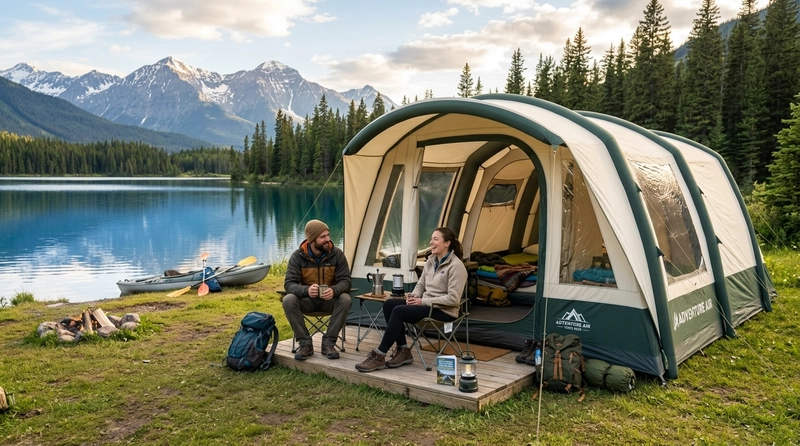
Choosing Between Inflatable Camping Tents and Traditional Automatic Tents on Site
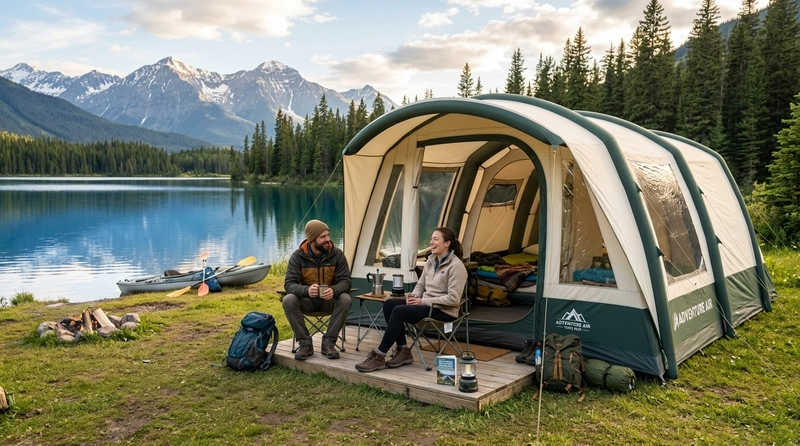
When event planners and gear suppliers face the decision of which shelter to deploy, inflatable camping tents and more conventional automatic tents each offer pros and cons that weigh heavily depending on the situation. Inflatable camping tents often get attention for their speed and ease of setup. They can be up and ready within minutes, just by pumping air into the frame. This means fewer labor hours tied to assembly, which is a clear budget helper for bigger events or remote locations.
However, they rely on air pressure to maintain stability. Windy conditions might cause problems if the structure isn’t reinforced properly or if air leaks develop. In cases where security from the elements is paramount, extra care must be given to materials and seal quality. On the other hand, automatic tents — those that unfold and lock in place with spring-loaded poles — provide a more rigid frame that can withstand moderate wind better. They may require more muscle initially but often give that feeling of solid reliability during long days.
Trade-offs on portability also matter here: inflatable camping tents typically weigh less overall but include a pump, which adds bulk. Automatic tents pack down small but can be awkward to carry, especially the larger sizes most event organisers need.
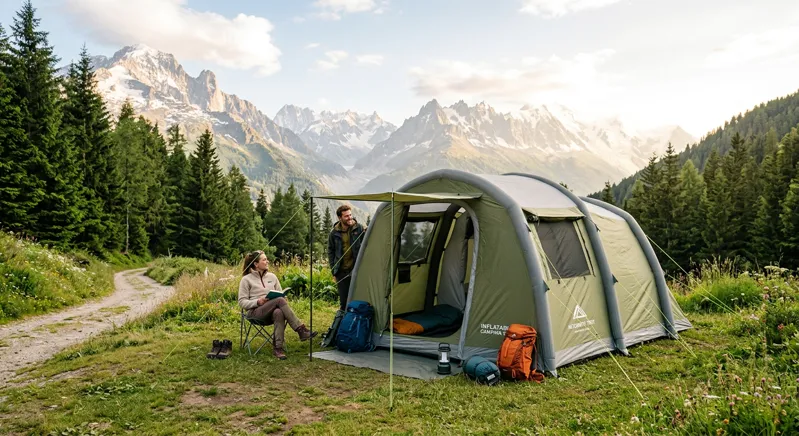
Durability and Maintenance Considerations for Event Use
Inflatable camping tents’ fabric and seams are critical points requiring ongoing attention. A small puncture means re-patching on the fly, which might be stressful in busy setups or during back-to-back events. Knowing how to quickly assess and remedy these issues is invaluable. In contrast, automatic tents rely on pole integrity and fabric wear patterns. Frame damage tends to be more noticeable and often requires replacement parts or pro repair.
Consider that inflatable tents use rubberized bladders encased in fabric. Over time, these can degrade faster in heavily used commercial environments. UV exposure, abrasive surfaces, or rough packing might reduce lifespan if not managed carefully. Automatic tents often appear bulkier but can sometimes handle rougher handling better because of their tougher pole construction and thicker fabric choices.
Planning routine checks post-event and streamlining repair kits suited specifically for inflatable camping tents or automatic tents can minimize downtime.
What Buyers Should Know About Setup Speed and Crew Training
One of the biggest draws for inflatable camping tents is how straightforward they are to inflate, often requiring just one or two people when a pump is used. Event teams unfamiliar with this technology might initially underestimate the time or power source needed. Battery-operated pumps are preferred where mains power isn’t available, but they must be charged and tested in advance.
Automatic tents might need extra hands to achieve the snap and secure frame, especially if they are larger or include side panels. These tents rely heavily on a crew’s familiarity with their locking mechanisms to avoid delays. Casual or seasonal staff often struggle under pressure, meaning experienced personnel often must be allocated to this task.
Choosing between these two types often boils down to how much training can be invested and the timeline for event readiness. Inflatable camping tents minimize manual effort but introduce a dependency on electronics and air integrity, while automatic tents demand muscle and know-how but little technical equipment.
Understanding Size, Space, and Customer Expectations
Many buyers look for the biggest, flashiest shelter they can find, but the reality of space usage and customer traffic flow often dictates smaller sizes or modular solutions. Inflatable camping tents usually offer a more uniform frame shape that can be customized with signage and branding easily.
That uniformity can simplify creating layouts with predictable footprints, which is especially valuable for distributors serving a range of clients with different event footprints. Automatic tents may have more flexible shapes but folding and unfolding them with attached walls or divider panels requires extra set-up time and coordination.
Practical considerations also include ventilation and windows. Inflatable camping tents sometimes have fewer natural ventilation options without risking compromising the air pressure, so for hotter climates or longer events, this might be a limitation. Automatic tents can include multiple vents and windows, making them slightly better at airflow management but at the expense of more complex assembly.
Weather Resistance and Long-Term Event Use
If you plan to keep structures standing for multiple days or even weeks, you have to be realistic about weather resilience. Inflatable camping tents can handle light rain well but are vulnerable to sharp winds and hail. Repeated depressurization and inflation cycles can weaken rubber components quickly, especially in fluctuating temperatures.
Automatic tents stand up better to sustained weather but require proper staking, guy lines, and sometimes additional weights to prevent wind damage. They generally have thicker canopies better suited to UV resistance over long exposures.
For rental businesses or distributors, choosing shelters based on the typical weather of your event locations can save on losses and complaints. Windy festival sites tend toward automatic tents, while trade shows in calmer indoor/outdoor settings might lend themselves well to inflatable camping tents.
Handling Storage and Transport for Regular Use
Storage is a surprisingly tricky aspect that companies often overlook at purchase time. Inflatable camping tents fold into compact bundles, but the pumps and hoses must be stored carefully to avoid damage. Moisture trapped inside can lead to mold and odors, requiring thorough drying before packing. They also need diligent inspection to spot any air leaks before the next outing.
You’ll need rugged cases or padded bags for both tent types but automatic tents often come with heavy frames that demand stronger transportation gear and larger storage areas. Their poles can bend or break if packed improperly, so training your logistics teams on packing protocols pays off.
When event planners or resellers ask what requires less storage space per unit, answers can vary widely depending on the tent size and design chosen. Experience shows that organizing inventory with a clear system — labeling, condition checks, and parts tracking — reduces turnaround times and keeps equipment in top shape regardless of type.
Understanding the ins and outs of inflatable camping tents versus automatic tents requires a mix of practical insights and honest appraisal of your event needs and team capabilities. Both types bring clear benefits but also introduce particular challenges — knowing these can help buyers, planners, and distributors avoid pitfalls and make smarter choices in their event equipment portfolios.