Inflatable Bubble Tent for Outdoor Events
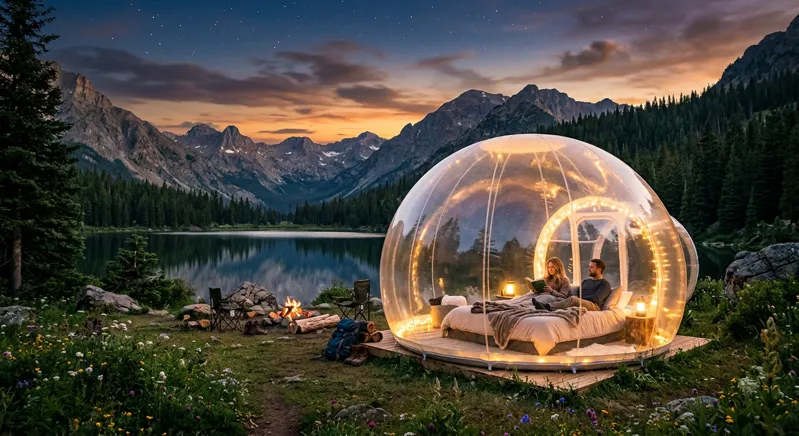
Deciding on the ideal inflatable bubble tent often depends on the kind of event you’re planning. Outdoor events come with their own set of challenges—weather unpredictability, crowd size, and visibility among them. An inflatable bubble tent offers a unique alternative to traditional marquees and gazebos, mainly because of its transparent design and spacious structure.
The transparency means guests can enjoy natural surroundings even when sheltered, which works great for garden parties, product launches, or expos that want to keep an open-air atmosphere but still offer protection from wind or light rain. However, bear in mind that fully transparent tents can heat up quickly under direct sun, so leaving some ventilation options open is critical. Some models come with window panels or partial coverings that can be zipped up for shade or privacy while maintaining the bubble’s characteristic look.
Size options vary immensely within the inflatable bubble tent market. Smaller tents might cater well to intimate gatherings or VIP lounges, while larger bubbles suit exhibition booths or larger networking areas. The bigger the tent, the more complex the setup and inflation system usually becomes, so weigh the benefits of size against logistical constraints for each event.
Managing Setup and Breakdown: What to Expect with Inflatable Bubble Tents
One of the major appeals of an inflatable bubble tent is the quick setup time compared to rigid structures. Most models inflate within 10-20 minutes using electric blowers, requiring minimal manpower. Yet, this means you’ll need access to power sources on site, which isn’t always straightforward in remote or rustic venues.
Deflating and packing away the tent can be just as fast if planned properly, but it’s important to note that the materials—PVC or TPU—can be heavy and somewhat cumbersome to handle, especially once damp. Event planners should allocate a team brief on proper folding and storage to avoid damage for reuse. Inflatable bubble tents are not simply “fold and go” if you want them to last multiple events.
Regular maintenance, like wiping down surfaces and checking seams for leaks, also adds time to your post-event tasks. Tiny holes can appear from sharp objects or rough terrain, so don’t underestimate the durability you need based on the event location and anticipated wear and tear.
Weather Factors and Durability Considerations
While the inflatable bubble tent provides decent shelter against wind and mild rain, it’s crucial to be realistic about weather conditions. These structures typically aren’t designed to withstand strong winds or heavy downpours. The round shape helps shed some wind pressure, but gusts beyond 20 mph can threaten tent stability without additional anchoring.
Securing the tent properly is fundamental. Stakes and sandbags are common, sometimes combined with guy ropes. Consider the surface you’ll be pitching the tent on—hard concrete versus grassy fields will affect your anchoring options, and this dictates how secure your bubble tent will be under less-than-ideal weather.
Sun exposure affects both your guests’ comfort and the tent’s integrity. Constant UV exposure gradually weakens plastic materials, leading to discoloration and brittleness. Many inflatable bubble tents come with UV-resistant fabrics, but it’s not a fail-safe for long-term outdoor storage in sunny areas. Rotating tents out of use, or covering them when not in use, extends lifespan significantly.
Practical Use of Inflatable Bubble Tents for Brand Visibility
From a distributor or buyer’s perspective, the inflatable bubble tent offers a visual advantage thanks to its clear, domed form. When branding or product visibility is a priority, these tents serve as an eye-catching element that still provides protection. Logos and graphics can be applied to panels or banners placed inside without obscuring the view.
Still, there’s a balance to strike between that open look and creating a controlled environment inside. Fully transparent tents have limited options for branding areas, and adding too much interior décor or furniture could clutter the space or block lines of sight. Some customers opt to use tinted or partially fiberglass panels within the bubble to frame logos and keep presentation sharp.
Lighting inside an inflatable bubble tent plays a big role, too. Natural light is great until dusk. Adding LED strips or portable lighting units ensures the brand remains visible in darker settings, helping sustain a professional and appealing ambiance. Keep in mind that electrical access and power management become more important once you introduce these elements.
Transporting and Storing Inflatable Bubble Tents
Getting an inflatable bubble tent to the event and back is not always straightforward. Their bulk and weight—especially in versions that accommodate more people—mean a van or truck is usually necessary. The tents often come with carrying bags, but expect them to be heavy and awkward to carry over longer distances.
Storage is another consideration. Air-sealed plastic materials require dry, climate-controlled spaces to avoid mold and mildew build-up. Folding the materials carefully to limit creasing helps prolong their condition too. For distributors planning inventory management, investing in multiple tents may also mean planning significant storage capacity.
Careful inventory records can help track wear patterns if equipment is used regularly. Over time, certain seams or valves may need replacement, which is easier to manage if you’re organized from the start. Also, investing in repair kits for inflatable bubble tents can save hassle and costs during busy event seasons.
Handling Guest Comfort Inside the Bubble Tent
While guests appreciate the novelty of sitting inside a transparent bubble tent, comfort depends heavily on air circulation and temperature control. Small bubbles that seal tightly can get stuffy quickly, so ventilation options are essential for sustained use.
Portable fans or small air conditioning units can improve airflow, but again, access to electricity is a limiting factor. For warmer climates, partial shading or vent panels are non-negotiable to avoid creating a greenhouse effect inside. Conversely, during cooler months, the bubble’s insulating effect can help retain warmth, but condensation inside might be a problem without appropriate ventilation.
Furniture setup also influences guest comfort inside these tents. Keep pathways clear and seating arrangements dynamic, so guests feel unrestricted. Inflatable flooring options are sometimes used although they add to the setup time and cost. These details make a difference when delivering a pleasant experience that complements the brand message or event theme.
Getting familiar with these practical aspects often saves headaches down the line. Inflatable bubble tents offer exciting possibilities for outdoor events, but success hinges on matching them carefully to the event’s specific needs and environment.