Inflatable Blow Up Hot Tent for Outdoor Camping Conditions
Picking out an inflatable blow up hot tent for outdoor camping isn’t just about grabbing the biggest or most eye-catching model. You need to think about where and when this tent will be used. For example, higher altitudes or colder climates require tents with better insulation and sturdier materials. Inflatable blow up hot tents offer fast setup, but some models handle wind and heavy snow better than others. The tent’s framework is crucial here—PVC or polyurethane layers affect durability and heat retention differently.
Think about the weight and packed size if your camping location requires hiking or transport over long distances. Even though inflatable tents are known for fast deployment, bulkier versions might be less practical for backcountry use. For flat, accessible sites, that concern drops somewhat, but it’s good not to overlook it if you’re moving gear yourself.
The ability to regulate heat inside the inflatable blow up hot tent for outdoor camping also depends on ventilation options. Too sealed, and condensation becomes a problem. Some tents incorporate adjustable vents or mesh panels to allow airflow without losing warmth. This balance is tricky but essential for comfort and preventing moisture buildup.
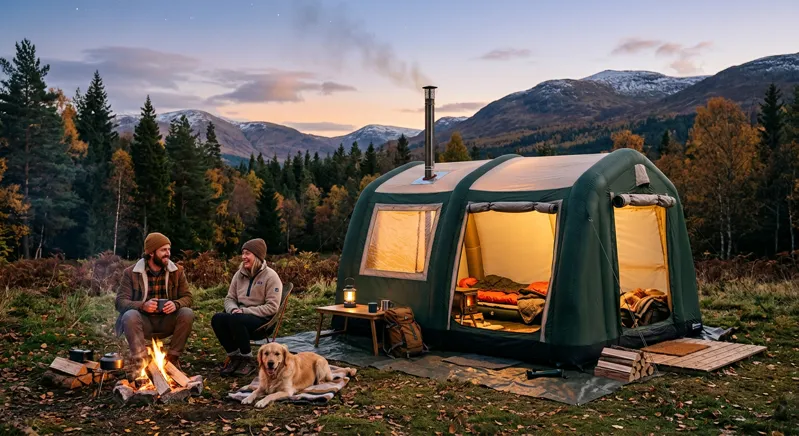
How to Manage Heating Elements and Fuel Safety Inside Inflatable Hot Tents
A major advantage of inflatable blow up hot tents is their compatibility with portable heaters. Many setups include stove jacks or specialized vents for chimneys. Still, knowing the limitations and safety requirements is vital. Not every inflatable tent can support the same heater types or fuel sources. Some materials may ignite or degrade if exposed to high heat or sparks, so double-check manufacturer guidelines.
Another practical point: fuel storage and stove placement need careful planning inside a blow up hot tent outdoor camping setup. Keep flammable materials well away and ensure the heater is on a stable, non-combustible surface. Even in a spacious inflatable tent, space management impacts safety significantly.
Manage humidity by airing the tent periodically. Running heaters inside traps moisture from breath and damp gear, which can quickly turn your tent into a wet environment. That’s uncomfortable and can damage the tent fabric over time.
Setting Up Inflatable Blow Up Hot Tents Efficiently When Time Is Limited
One of the biggest draws of inflatable blow up hot tents for outdoor camping is how fast they go up compared to traditional pole tents. That said, quick setup doesn’t mean skipping proper preparation. Check your inflation equipment beforehand. Pump failures or leaks can slow things down dramatically, especially in cold weather where lubricants stiffen and seals contract.
Lay out the tent in a way that considers wind direction and terrain slope before inflating. Inflatable tents respond differently to uneven ground, with some models including multiple air chambers or reinforced bases to combat shifting. Getting the tent stable upfront prevents future frustrations and potential damage.
If you’re juggling a lot of gear or working with a small team, designate roles—one person handles inflation, while another sorts out stakes, guy lines, or interior gear. Efficiency here cuts setup time and gives everyone a clear task, especially crucial when daylight or temperature windows shrink.
Evaluating the Trade-Offs Between Portability and Insulation Quality
Packing an inflatable blow up hot tent for outdoor camping means balancing how portable it is against how warm it keeps you. Thicker-rated tents naturally add weight and bulk, and inflatables can’t escape that rule. They don’t have the same rigid insulation as some winter mountaineering tents but can use air pressure combined with layered fabric to trap heat.
Decide what matters most based on your typical trip length and expected weather. Ultralight campers may tolerate a thinner tent and bring extra sleeping layers rather than carry a heavy, fully insulated tent. Meanwhile, for extended winter camping or base camps, it makes sense to accept extra weight in favor of staying warm and dry.
Bear in mind, maintenance also gets trickier with heavier, more complex tents. Thicker fabrics and extra valves mean there’s more that can wear out or fail. Simpler inflatables may last longer and require fewer repairs, even if they don’t offer top-tier insulation.
Moisture Control and Durability Concerns Over Repeated Outdoor Use
Inflatable blow up hot tents for outdoor camping are not invincible. Repeated inflation cycles, exposure to sun, rain, and abrasive surfaces take their toll on material integrity. Seams can weaken over time, causing leaks. Valves need occasional servicing or replacement.
Moisture management is an ongoing concern. Synthetic tent fabrics usually resist water but still absorb some moisture, especially if condensation isn’t properly vented or tents aren’t dried before storage. Inflatable tents often have a somewhat thicker fabric that requires more deliberate drying routines.
Expect to do regular inspections to catch small punctures or cracks early. Carrying repair kits suited for inflatable material is smart; patches need to be applied correctly and at the right time—not after the tent has been soaked or completely deflated.
Understanding these trade-offs means you’ll get better longevity from your inflatable blow up hot tent for outdoor camping, avoiding sudden failures that can ruin a trip.
Coordinating Inflatable Hot Tent Features with Overall Camp Setup
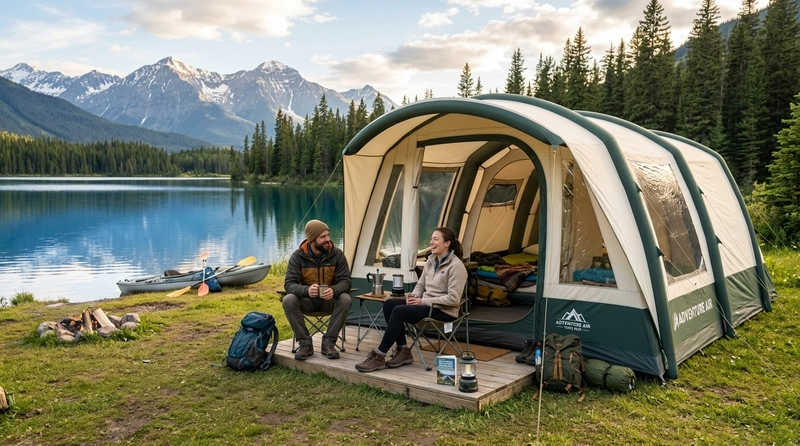
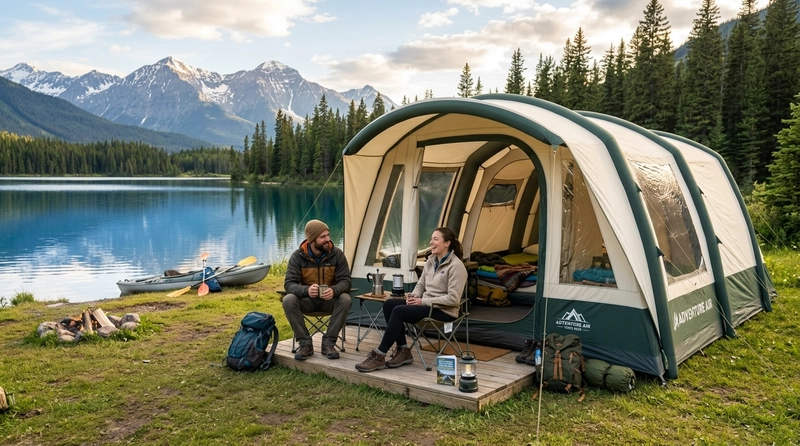
Finally, the inflatable blow up hot tent often plays a key role, but it shouldn’t be considered alone. Think about how it fits with your tents, gear, and campsite layout. Is there room inside for storage? How easy is it to enter and exit with heavy outdoor clothing or equipment?
Many inflatable tents offer modular add-ons or zipped entrances to connect with other shelters. This flexibility can make a big difference for comfort at longer camps or group events. Also, note the tent’s footprint compared to your sleeping mats, stoves, and gear racks.
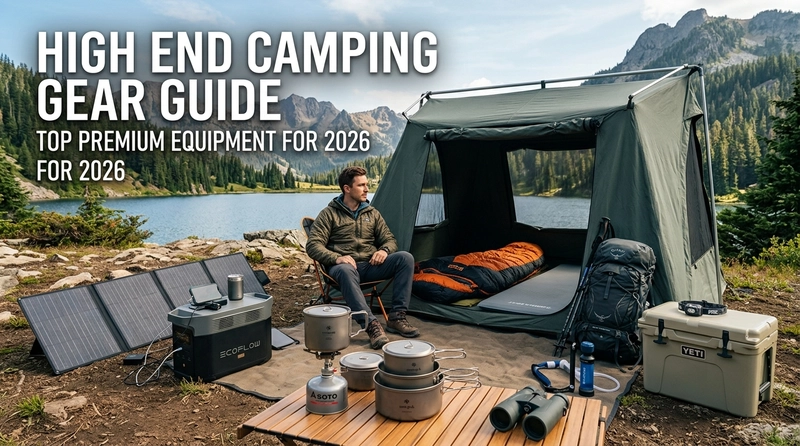
Power sources such as battery packs or solar chargers might need to be positioned to avoid heat damage, while keeping cables clear of airblown structures. Planning ahead avoids uncomfortable compromises and can make setup smoother for professional buyers managing multiple units.
Choosing the right tools for inflation, heating, moisture control, and site management all mean less hassle when you rely on inflatable blow up hot tents for outdoor camping, especially in challenging conditions.