
Inflatable Beach Tent for Outdoor Events
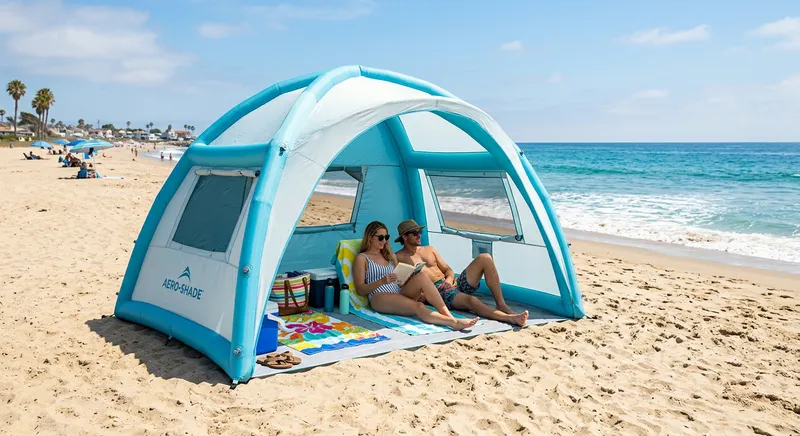
Planning outdoor events such as beach promotions, brand activations, or casual corporate gatherings often requires a shelter that balances easy setup with effective functionality. Inflatable beach tents come in handy here because they can be quickly assembled without complicated frames or tools. However, weighing the options between different sizes, inflation times, and materials is crucial.
For instance, event planners should consider the portability factor. An inflatable beach tent designed with lightweight yet durable TPU or polyester fabrics reduces shipping costs and hassle during setup. But be aware that ultra-light materials might sacrifice some resistance to sharp objects or rough surfaces common on beaches.
Another aspect is wind stability. Inflatable tents typically rely on their aerodynamic shapes and anchoring systems since traditional stakes may not hold well on sandy terrain. Some models include sandbags or water ballast compartments as additional securing methods. Knowing the average wind conditions at your event location helps decide how reinforced the tent should be.
When customizing branding on inflatable beach tents, the choice of printing methods affects durability under sun exposure and salt spray. Digital dye-sublimation printing tends to fade less compared to vinyl decals, yet it often comes at a higher cost. Collaborate closely with suppliers about your event’s expected lifespan and storage environment.
Managing Setup and Breakdown on the Beach
One of the main draws of inflatable beach tents is their quick assembly compared to rigid-frame units. Still, inexperienced staff might face challenges during the process, especially under tight timelines or variable weather.
A well-documented procedure tailored to your specific tent model can improve efficiency and prevent damage. For example, always inflating the main chambers before adding peripheral components ensures even pressure distribution. Over-inflation risks seam stress, while under-inflation compromises structural integrity.
Keep spare batteries or generators handy if the pump runs on electricity, and train your team on manual inflators if power sources are unreliable. Be mindful that inflated tents might require occasional re-pressurization during long events, particularly in hotter climates where air expansion can alter the tent’s firmness.
Packing the tent back into its bag without contaminants is essential for longevity. Shake off sand and rinse salt residues with freshwater before drying thoroughly. Moisture left inside can encourage mold or weaken the fabric’s integrity over time.
Comparing Inflatable Beach Tents to Traditional Pop-Up Shelters
Some buyers hesitate at inflatable beach tents because they seem less robust or more delicate than classic pop-up or aluminum-frame shelters. Each design has trade-offs based on event scale, reusability, and environmental conditions.
Inflatable tents often excel at speed and ease of transport. Their lack of rigid components minimizes weight and bulk, making them more convenient for distributors or planners needing quick deployment at multiple locations.
On the downside, frame tents can handle higher wind loads and may provide more stable sectional shapes. Inflatable models rely on constant air pressure and high-quality zippers, which if damaged, can lead to air leaks and instability.
Cleaning methods also differ. While frame tents generally need wiping down and occasional spot treatment, inflatable beach tents demand gentler handling during washes to avoid abrasion of seams and fabric coating.
Think through event duration and intensity of use before picking a solution. It’s not unusual for planners to own both types and rotate them depending on situational needs.
Customizing Inflatable Beach Tents for Brand Visibility
For professional buyers and distributors, modifying inflatable beach tents to suit brand identity is a significant consideration. Beyond mere colors and logos, customization might extend to structural shapes and additional features.
Versatile tents might include attachable sidewalls or transparent panels for product displays, which enhance visitor interaction at exhibitions or festivals. Ventilation options are also critical; too enclosed a space risks overheating, especially on sunny beaches.
Trade-offs emerge between elaborate branding applications and the tent’s overall weight or inflation time. Large graphic panels can slightly increase airflow resistance and extension area, which influences wind loading behavior. Those handling tents in windy conditions should evaluate the impact of larger surface areas on anchoring.
Moreover, distributors must anticipate how branding will age with repeated foldings and exposure to UV rays. Durable printing technologies paired with protective laminates extend visual life but also add to initial investment.
Planning ahead for suitable storage solutions helps preserve both tent structure and printed design. Using compression bags and silica gel packs minimizes moisture buildup during off-season periods.
Maintaining Inflatable Beach Tents for Longevity
Keeping inflatable beach tents in good shape requires more than just basic cleaning after events. Regular inspection routines and small repairs can prevent costly replacements.
Start with checking all air-tight chambers for leaks before each usage. Submerged soapy water can reveal subtle punctures or seam weaknesses. Patching kits designed for TPU or PVC materials typically restore durability without impacting flexibility.
Zippers represent another frequent trouble spot. Salt accumulation from beach environments contributes to corrosion and jamming. Applying silicone-based lubricants and storing tents with zippers fully open are practical steps.
When inflating tents, avoid direct contact with sharp equipment or rough surfaces. Consider laying down protective mats or ground tarps if terrain seems abrasive.
Distributors and event planners often recommend rotating tents across various sites rather than repeated high-stress beach appointments. Salt, sand, and sun exposure combine to speed up material fatigue if tents remain solely in harsh conditions.
Understanding these maintenance details upfront empowers buyers to schedule appropriate care intervals and budget for eventual refurbishment or replacement.
Practical Considerations for Shipping and Storage
For importers and distributors working with inflatable beach tents, managing logistics demands more than just tracking dimensions and weights. The way tents are folded and packed directly influences their shelf life and customer satisfaction.
If a tent is packed while still damp or sandy, mold growth can start unnoticed until the product reaches the end-user. Including clear instructions for unpacking and repacking helps retailers guide their customers effectively.
Many professional suppliers lay out recommended folding sequences in videos or printed manuals. Following these not only preserves the fabric coating but also prevents extensive wrinkles that might reduce airtightness or cause micro-cracks.
When shipping internationally, be mindful that customs regulations and transit times expose tents to temperature fluctuations. Extreme cold can stiffen some materials, while heat promotes expansion—both of which stress seals and adhesives.
Storage environments matter too. Ideally, tents reside in dry, climate-controlled warehouses away from prolonged UV exposure.
Understanding these behind-the-scenes complexities enables professional buyers and distributors to make informed procurement and inventory decisions, ensuring that inflatable beach tents arrive in peak condition ready for immediate deployment.