Inflatable Air Tent for Unpredictable Weather
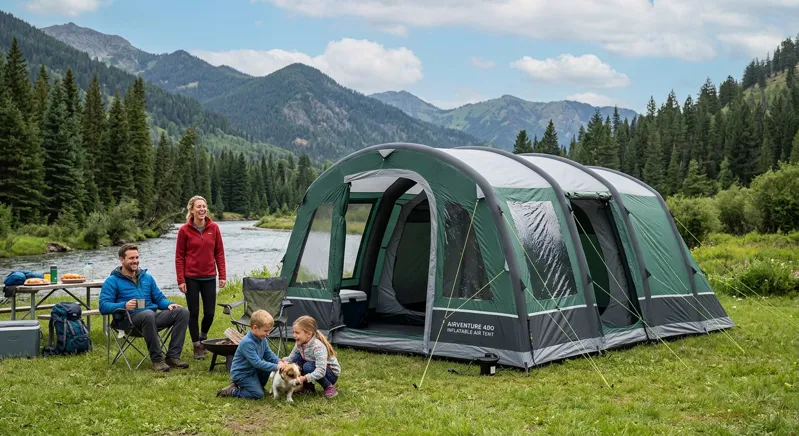
Weather is the one variable event planners and distributors can’t control, but they can prepare for it. Inflatable air tents are prized for their quick setup and stability, especially when the forecast throws a curveball. Unlike traditional frame tents, these use air beams that often handle wind gusts better, offering a flexible yet secure shelter.
But not all inflatable air tents are created equal. Higher quality materials and reinforced seams are crucial to withstand rain and strong winds. You’ll want to verify the tent’s wind rating and water resistance specs before committing, particularly if it’s going to be outdoors for multiple days. The trade-off usually comes down to weight versus durability – thicker materials add heft, which can impact transport and setup times, but they buy peace of mind against the elements.
Design matters too. Tents with multiple air chambers let you isolate leaks or punctures, which can be a big bonus during continuous use. Consider models that allow for easy patch repairs on the spot. That way, a small hole doesn’t escalate into a total loss mid-event.
Balancing Speed and Stability in Setup
One of the biggest draws of inflatable air tents is how quickly they can go from packed down to fully erected. This speed translates into labor savings, which is a real benefit on tight event schedules. However, rushing setup can backfire if tentative steps to inflate and anchor the tent aren’t followed properly.
Inflatable air tents generally require blowers that must run continuously to maintain structure shape, or in some advanced designs, internal air pressure for rigidity. Some clients underestimate blower noise or power needs, especially at outdoor venues.
Securing the tent to the ground is non-negotiable. While the air-filled beams add rigidity and resistance, stakes, weights, or sandbags are often still necessary to prevent shifting or tipping. The surface type – grass, concrete, asphalt – will dictate the anchoring method and equipment required, so it’s worth having a plan for that well before your event day.
Sometimes, portable generators are needed to power blowers in remote locations. Factoring in power logistics early ensures smooth deployment without last-minute scrambling.
Size and Layout Considerations for Event Flow
Deciding on the right size of an inflatable air tent hinges on the event’s expected foot traffic and the equipment you’ll house inside. These tents come in various widths and lengths, often modular, which allows for some customization. But, keep in mind, every extra square foot adds to the overall inflation time and wind resistance.
Inside layout and shape influence usability. For instance, inflatable archways and tunnels can channel attendees, while box-shaped tents might maximize usable floor space. If your event includes staging, catering stations, or merchandise displays, clear zones are necessary for easy movement and compliance with fire safety codes.
Transparent panels are a common feature in these tents and can enhance natural light and visibility. However, depending on the event’s duration and location, these panels might let in excessive heat or glare. Some clients ask about adding removable liners or blackout curtains, which add weight and complexity but improve comfort.
Cleaning and Maintenance Challenges on Repeat Use
Inflatable air tents are durable, but repeated assembly and disassembly can wear on fabric and seals faster than static installations. Dirt, mud, and dust tend to cling to the tent’s exterior after outdoor use, so a solid cleaning regime is important.
Pressure washers are effective but require careful use to avoid damage. Mild detergents and soft brushes tend to work better in sensitive areas. Some tents are treated with water-repellent coatings that degrade over time, so periodic retreatment is something to factor into your maintenance schedule.
Storage conditions also influence the tent’s lifespan. Moisture trapped inside when packing away can lead to mold or fabric deterioration. Air-drying completely before storage and using breathable bags rather than sealed plastic helps avoid these issues. Also, folding the tent along recommended lines preserves the air beams and fabric integrity.
Routine checks for punctures and seam separation are essential. Small repairs on site can be a lifesaver during events, but it’s wise to keep a few repair kits accessible wherever you deploy your tents.
Transportation and Logistics: What’s Realistic?
Portable by design, inflatable air tents look easy to move but can trick you with their bulk once packed. For event planners managing multiple locations or quick turnarounds, the weight and volume of the packed tent and blower are critical factors.
Commercial-grade tents often require robust carrying cases or even small dollies to safely transport multiple units. While personal vehicles may work for smaller sizes, larger tents often need vans or trucks. Also, consider how much time and manpower it takes to unload at each site – a factor often underestimated.
If you frequently work with distributors, aligning storage and shipment protocols on packaging sizes speeds up logistics. Color-coded tent bags or numbered parts can reduce confusion during loading and setup in mass event situations.
The occasional need for replacement parts or accessories means good relationships with your supplier pay off over time, especially if you rely on quick shipping to meet client deadlines.
Customizing Inflatable Air Tents Without Complexity
Some clients want their inflatable air tents to do more than just provide shelter; branding, lighting, and integration with tech are top of mind for many. But increasing customization can add layers of complexity and cost.
Printing logos or graphics on the tent fabric is popular, but it can limit the repair options. Replacing a damaged panel may become more complicated if it has a printed design that must match. For LED lighting, tents with translucent panels offer creative opportunities, but you’ll need to plan wiring and power supply carefully, especially on outdoor sites.
Incorporating accessories like doors, windows, or partition walls often means sacrificing some of the straightforward setup advantages typical of inflatable air tents. Weigh these additions against how often you use them; for example, a dedicated seasonal client might invest in custom features, while a distributor serving many occasional renters might opt for simpler, more flexible models.
Choosing options that won’t hinder portability or increase susceptibility to damage helps maximize operational efficiency over the tent’s lifecycle.
Navigating the practical aspects of inflatable air tents requires balancing durability, setup speed, and customization demands. Every decision should reflect the realities of your event environment, logistical capabilities, and client expectations, not just the attraction of innovation or convenience.