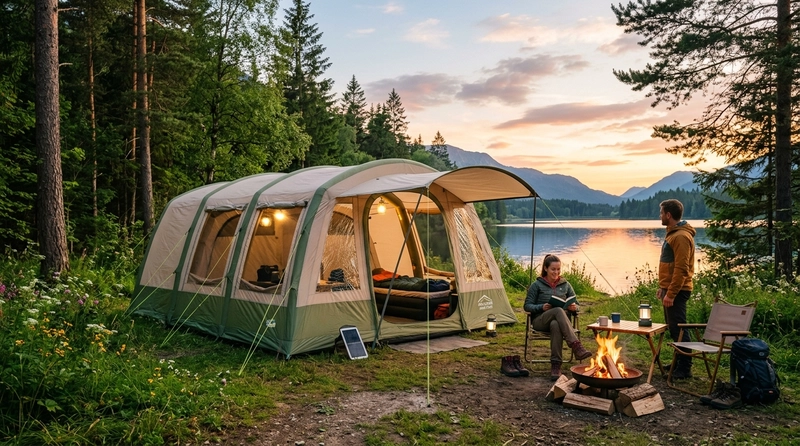
Choosing the Right Size and Shape for Your Inflatable Advertising Tent

Selecting an inflatable advertising tent often starts with size and shape, but the decision isn’t as straightforward as it might seem. Bigger isn’t always better, and the tent’s proportions should fit not just the available space but also the event’s purpose. For instance, a compact 3×3 meter tent might work well for a small product launch where intimate customer interaction is expected. On the other hand, a larger 5×5 meter or custom-shaped tent could better suit a busy trade show, providing enough room for displays and foot traffic.
Shape affects both visibility and practicality. Dome tents, for example, create a rounded silhouette that attracts the eye but can limit branding space on the sides. Rectangular or box-shaped designs often provide larger flat surfaces for logos and messaging but may not stand out as much from a distance. Remember that the tent also has to be stable, so choosing a shape supported by your venue’s conditions—wind, terrain, and space restrictions—is essential.
These tents are inflatable, making them quick to set up and take down, but their overall footprint still requires some planning. Evaluate the expected crowd flow, how the tent will orient relative to pedestrian or vehicle traffic, and whether it fits your transport and storage options.
Considering Branding and Customization Needs
One of the main advantages of an inflatable advertising tent is the customization options. Printing full-color logos, slogans, and even intricate designs on the tent fabric means you can create a mobile billboard that’s hard to miss. However, it’s vital to keep in mind the printing limitations. Fine details often don’t translate well onto flexible, inflatable fabrics, especially if they weigh the material or obscure seams.
Bright colors and simple, bold graphics typically work best. If your brand relies on subtler tones or gradients, test samples beforehand to ensure the colors don’t fade quickly or warp when the material inflates. Some clients have found that the printing on the highly stretchable parts of the tent, like corners or rounded sections, can distort the image, affecting brand integrity.
Also, consider how the tent will look when fully inflated and how lighting conditions at your event affect visibility. Matte finishes tend to reduce glare outdoors, while gloss can enhance vibrancy under spotlights inside convention centers.
Customization extends beyond the fabric print. Modular designs allow you to attach banners, clips, or digital screens. Some tents feature clear windows or side panels to create enclosed spaces without losing openness. Each addition changes the setup time, weight, and portability.
Practical Setup and Storage Challenges
Inflatable advertising tents provide major convenience in terms of quick inflation and no need for complicated frame assembly. Yet, reality often clashes with expectations. Finding a clean, flat surface free of sharp debris is a must to avoid punctures or damage during setup. Outdoor locations frequently challenge this requirement and may necessitate protective ground sheets.
Power source availability can also be a limiting factor. Most tents require electric blowers to stay inflated continuously during the event, so arranging reliable access to electricity or portable generators is part of the planning. Battery-powered blowers exist but usually offer shorter run times and less air pressure, affecting stability.
Storage between uses should not be overlooked. When deflated, these tents fold down into smaller, lightweight packages, but any moisture or dirt trapped inside before storing can lead to mold or material degradation. Thorough cleaning and drying are necessary after each event. Several clients have learned the hard way that improper storage shortens their tent’s lifespan significantly.
Transport considerations go beyond size. If your operations span multiple cities or countries, you’ll need to think about packaging, handling, and customs rules. Inflatable tents are less bulky than metal-framed tents but are more delicate and demand careful treatment.
Weather and Venue Restrictions to Keep in Mind
Outdoor events are where inflatable advertising tents truly shine, providing shelter and eye-catching branding simultaneously. Still, the weather plays an enormous role in their functionality. Strong winds can shake or even topple these tents unless they are securely anchored, which is not always possible depending on venue regulations.
Rain presents a complex problem. While the tent fabric is typically waterproof, pooling water on top or in irregular shapes can affect the air pressure or cause the structure to sag. Some models have drainage channels and reinforced tops to help with this, but they add weight and bulk.
Heat is another factor. These tents usually have breathable materials so the interior doesn’t overheat if the sun beats down for hours. However, if you plan to have heaters or electronics inside, temperature monitoring becomes important to avoid damage.
Some venues, especially indoor convention centers, impose limits on inflatable structures for safety reasons, or might require fire-retardant certifications. Make sure to check the regulations early to avoid costly surprises.
| Index | Product Model |
|---|---|
| 2235 | Inflatable Event Tents |
Balancing Cost, Durability, and Frequency of Use
The decision to invest in an inflatable advertising tent often comes down to balancing upfront expenditure against long-term value. Prices vary widely based on size, customization level, and additional features like lighting or modular attachments. For buyers using the tent occasionally, renting might be an attractive alternative, especially since storage and maintenance are minimized.
Durability varies too. Most tents use strong polyester or PVC-coated fabric, engineered to resist tears and UV damage, but these materials do wear out eventually, especially under harsh conditions or rough handling. Repeated inflation and deflation cycles cause wear on seams and zippers.
Plan for repairs and replacements as part of your budget. Having access to parts like extra blowers or patch kits can extend usage significantly. Also think about whether your staff is trained for setup and breakdown; mistakes often lead to premature damage.
Some clients who prioritize sustainability choose tents with recyclable materials or biodegradable coatings, but these may come at a premium or compromise sturdiness. Ultimately, matching the tent’s specifications to your event calendar, brand needs, and logistical setup will yield the best results without overspending.
Managing Crowd Engagement Around an Inflatable Advertising Tent
Attracting people means more than just having a branded tent standing tall. Your inflatable advertising tent often acts as a hub for interaction, so its layout and accessibility shape attendees’ experiences. Considering traffic patterns, entry points, and how equipment inside is arranged makes a big difference in encouraging visitors to stop and engage.
Open sides invite people in but also expose staff and products to weather and noise. Some event planners prefer partially enclosed tents to create a cozier atmosphere, especially when presentations or demonstrations take place. Additions like counters, stools, or charging stations can transform the tent into a gathering spot rather than just a backdrop.
Lighting and signage should work hand in hand. LED strips along the edges of the tent, illuminated logos, or screens showing videos can boost visibility in dim environments and keep people’s attention longer.
While inflatable tents are portable, it’s worth investing effort to anchor them firmly and organize the surrounding space neatly. Tripping hazards, clutter, or poor placement can discourage approach and damage brand perception.
A hands-on setup reflecting your actual customer flow tends to outperform generic designs that ignore the specific environment of your events. Adjusting your inflatable advertising tent’s positioning and layout based on experience will help you maximize ROI over time.