
Inflatable Air Tent for Your Event Scale
Selecting an inflatable air tent that matches the scale of your event often involves balancing size, setup complexity, and transportability. Large, sprawling tents offer more space but demand more time and manpower for assembly. Smaller models, while quicker to set up, may limit the activities or number of attendees you can accommodate comfortably.
For instance, planners working outdoor festivals might prioritize bigger tents to cover vendor areas or stages. Yet, that choice carries the weight of additional logistics—larger awnings need reliable inflation sources, and their bulk can necessitate specialized transport vehicles. On the other hand, a distributor supplying smaller inflatable air tents to retail locations could benefit from quicker setup and compact storage, making frequent relocation easier.
Understanding these trade-offs early on can save time and resources during execution. Account for not only floor space but also the flow of foot traffic, emergency access, and visual appeal when deciding on dimensions. The right size directly influences overall guest experience and operational efficiency.
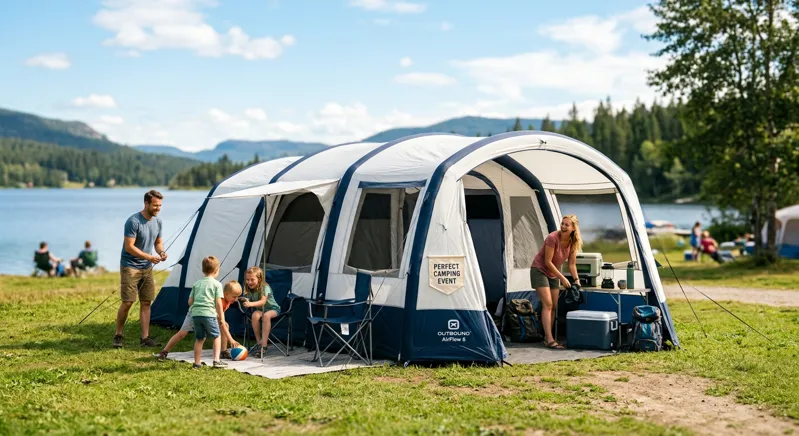
Inflation Systems: Electric Pumps vs. Manual Solutions
The inflation mechanism your inflatable air tent relies on is more than a convenience factor; it dictates setup duration and on-site portability. Electric pumps, while fast and effortless, require access to power sources, potentially complicating outdoor or remote deployments.
Manual pumps or battery-operated alternatives provide versatility but tend to increase setup labor, sometimes doubling the inflation time depending on tent size. For event planners working in urban settings, having electricity close at hand makes electric inflation an obvious choice. Conversely, remote camping events might necessitate battery packs or hand pumps even if it slightly delays site readiness.
Maintenance and replacement costs for electric pumps also warrant consideration. Regular usage can wear down components, impacting reliability over time. Manual options have fewer mechanical parts and are less prone to failure but demand more physical effort from the crew.
Material Quality and Its Impact on Durability and Appearance
An inflatable air tent’s material is the first defense against weather challenges and general wear. Choosing between PVC-coated polyester, nylon, or hybrid fabrics influences the tent’s sturdiness and visual impression.
PVC-coated polyester is popular for its waterproofing and resistance to UV rays, making it suitable for extended outdoor use. However, it tends to be heavier, adding strain during transport. Nylon offers lighter weight and easier packing but might require more careful handling due to potential abrasion.
Customization in color and branding prints also ties back to material properties. Some fabrics accept print overlays better, helping distributors tailor tents to client specifications without compromising fabric integrity. It’s useful to assess how well colors hold up under sunlight and whether any additional coatings are needed for brand visibility.
In environments where abrasion from frequent movement or rough terrain is expected, reinforced seams and double-layered fabrics might extend tent life. These features slightly increase cost and weight but can prove worthwhile over multiple event cycles.
Ventilation and Climate Control Considerations for Occupant Comfort
Occupant comfort in an inflatable air tent is often overlooked but vital for successful event experiences. Proper ventilation prevents heat buildup during sunny days and ensures fresh air circulation for crowded conditions.
Some tents incorporate zippered mesh windows or vents that can be adjusted to regulate airflow. When planning long-duration events, these features help reduce condensation and minimize discomfort from stale air. Climate considerations become especially important for camping tents where interior temperatures can fluctuate dramatically overnight.
Adding portable fans or heaters introduces complexity, requiring power access and safe placement within the tent environment. That said, for event planners managing hospitality tents or customer lounges, climate control enhances perceived comfort and can prolong attendee dwell time.
Keep in mind that open vents could lead to increased dust or insect entry depending on location, so the placement and size of ventilation points should balance airflow with protection.
Balancing Portability and Setup Time for Multi-Event Use
For distributors supplying inflatable air tents to different clients or event planners organizing numerous shows annually, portability and setup time strongly influence overall operational feasibility.
Heavier tents usually entail longer team efforts and sometimes multiple vehicles for transport. Collapsible designs that fit into manageable cases simplify logistics but may come at the expense of on-site sturdiness or surface area.
Planning for rapid deployment helps when back-to-back events create tight turnarounds. Inflatable air tents with quick-release valves and intuitive inflation points allow even modestly trained personnel to assemble without specialist support.
Storage conditions also affect the tent’s longevity. Frequent folding, inflating, and deflating cycles can stress seams and fabric elasticity, necessitating routine checks and preventive care. A clear maintenance schedule can mitigate downtime due to unexpected damage.
Compliance and Safety Features: Planning Beyond Aesthetics
Safety should be a practical priority rather than an afterthought when installing inflatable air tents. Compliance with local fire codes, wind resistance standards, and anchoring requirements ensures that the tent withstands event-specific stressors without risking occupant safety.
Certain geographic areas mandate flame-retardant treatments for temporary structures or require supplementary guy lines to prevent kite-like lifts during gusts. Some inflatable air tents come equipped with built-in reinforcements or compatible accessory kits addressing these concerns.
Understanding the required certifications ahead of time prevents costly last-minute adjustments or event cancellations. Additionally, safety measures such as internal lighting, clear exit paths, and visibility markers contribute to a smooth crowd experience and emergency readiness.
Sometimes prioritizing compliance means negotiating trade-offs with design ambitions. Thicker materials or added reinforcements might reduce translucency or increase weight, but they contribute to long-term reliability and trustworthiness.
Analyzing these practical angles around inflatable air tents guides buyers and planners towards solutions that perform well in real scenarios rather than idealized visions. Knowing the nuances of size choice, inflation methods, fabric durability, occupant comfort, portability, and safety features makes for wiser decisions tailored to varied professional needs.