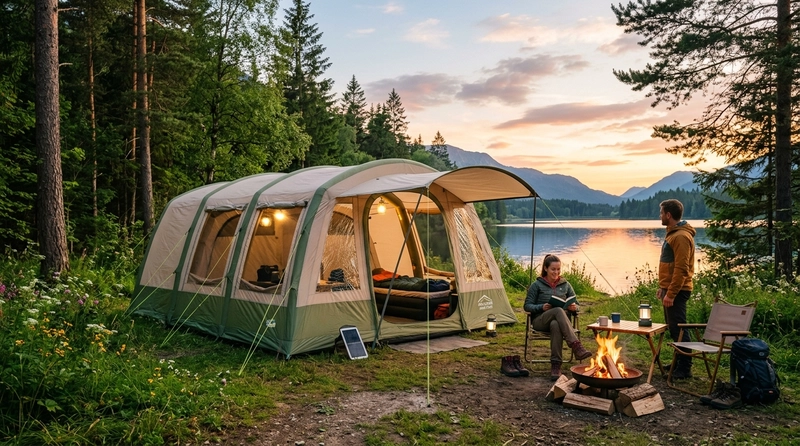
Understanding How Inflatable Tents Stay Inflated
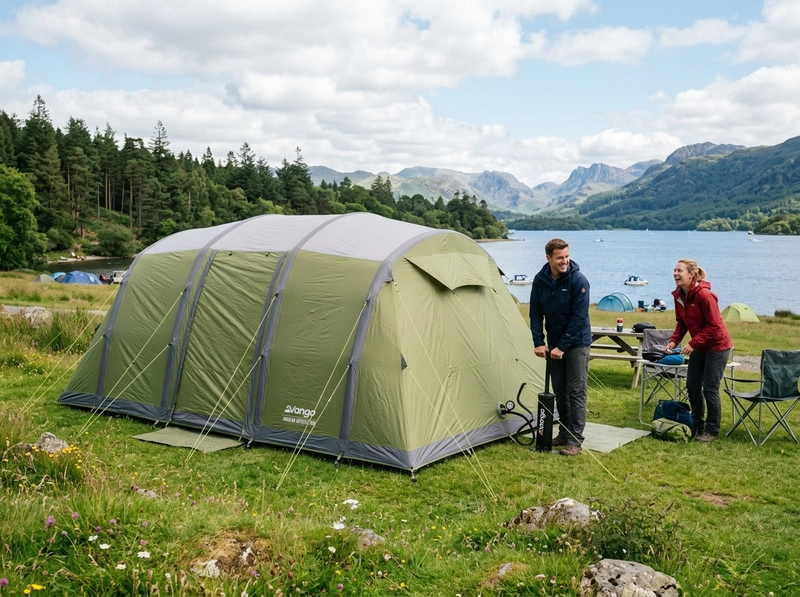
When you’re considering inflatable tents for events, one of the most crucial questions arises: do inflatable tents stay inflated? The answer is multifaceted, revolving around design, material, and maintenance. It’s essential to grasp these dynamics to make an informed decision for your next event or outdoor gathering.
Inflatable tents utilize air pressure to maintain their structure. The engineering behind these tents often incorporates a sealed air system, helping them remain inflated even in fluctuating weather conditions. Proper installation plays a key role; if the tent is fully inflated and secured, it has a remarkable ability to withstand brief gusts of wind or light rain.
One primary concern that professional buyers often share is the potential for air loss. While it’s true that inflatable tents can lose air over time, this is generally a slow process. Most modern designs utilize durable materials that minimize puncture risks while ensuring the tent remains functional for long durations.
The type of inflatable tent also significantly influences how well it retains air. Event planners frequently opt for models designed specifically for commercial use, which often feature reinforced seams and more robust material than camping variants. This added strength can mean the difference between a working tent that endures through multiple events and one that deflates prematurely.
Another area of concern is the setup. You want to ensure your inflatable tent stays inflated during an event, and that means paying close attention to the setup process. If any seals aren’t secured properly or if there’s an oversight in the inflation process, the tent might face premature deflation. Getting it right from the start reduces the chance of issues later on.
The weather also plays a role in how inflatable tents stay inflated. High winds can exert pressure that might cause a tent to deflate or even collapse if not correctly anchored. Conversely, a clear, calm day can see your tent maintain its inflation effortlessly. Assessing your event location’s weather forecast ahead of time can prepare you for any contingencies.
For longer events, such as festivals, you may want to consider an inflatable tent that includes additional support structures or a heavier material. This can bolster the tent against prolonged stress and reduce the chance of air loss. Planning your tent purchase with these scenarios in mind can enhance your overall experience.
Maintenance Tips for Inflatable Tents
Every inflatable tent, regardless of its build quality or intended use, requires some level of maintenance. One of the most crucial steps in ensuring your inflatable tents stay inflated is regular inspection. Before and after each use, take the time to check for any signs of wear, punctures, or loose seams. A small hole can lead to deflation, and addressing these issues early can save you from more significant problems down the line.
Cleaning the tent is also vital. Although inflatable tents are designed for durability, dirt and debris can compromise the material over time. Use a mild soap solution and a soft cloth to wipe down the tent surfaces regularly. Avoid using harsh chemicals, as they can wear down the fabric and affect the integrity of the tent.
Storage conditions matter just as much as maintenance. When not in use, store your inflatable tent in a cool, dry place. Moisture and extreme temperatures can degrade the materials, making it more likely for air loss to occur when the tent is next used.
Choosing the Right Material
The material of an inflatable tent influences its ability to stay inflated. Most commercial inflatable tents employ materials like Oxford cloth or PVC. Oxford cloth, while lightweight and portable, may not provide the same durability as PVC. Conversely, PVC tends to be heavier but offers better protection against punctures and tears. Evaluating the event type can help steer you in the right direction.
If you find yourself in a high-traffic area or an outdoor setting where environmental threats are abundant, opt for tents made from tougher materials. You’ll likely find that the initial investment pays off in the long run due to lower replacement rates.
Inflation Mechanisms
The mechanism you choose for inflation plays a pivotal role as well. There are various options available, from electric pumps to manual pumps. Electric pumps provide consistent inflation speed and ease but require access to power sources. Manual pumps, while more traditional, can be labor-intensive. Assessing the nature of your event can help determine which method best suits your needs.
Some models even come with integrated pumps that make the setup process faster and more convenient. For larger events or outdoor festivals, these systems can save considerable time, allowing your team to focus on other aspects of event planning.
Troubleshooting Common Issues
Even with the best design and setup, inflatable tents can still experience unexpected complications. A common issue involves air leaking due to unnoticed tears. If a tent starts to feel less stable shortly after setup, performing a quick check for visible damage is wise. Having a repair kit on hand can also be a lifesaver, allowing you to patch small holes before they turn into bigger problems.
Sometimes, the air valve may also become an issue. Make sure to check that the valve is properly sealed and functioning. An open valve can quickly lead to air loss and compromise your entire setup.
While it’s uncommon, power failures can also affect your tent if it relies on an electric pump. Having a backup inflation plan can help you avoid any mishaps, keeping your promotional setup looking professional throughout an event.
Cost vs. Benefit Analysis
Investing in quality inflatable tents does involve a financial commitment, but understanding the long-term benefits is key for any B2B buyer. A high-quality tent capable of staying inflated during adverse conditions not only saves on costs related to repairs or replacements but also enhances the branding impact during events.
Consider the exposure and marketing potential of having an eye-catching, inflatable tent. It can serve as a focal point for your brand, attracting foot traffic and engaging potential clients during events or trade shows. The return on investment can often far exceed the initial outlay if approached wisely.
Ultimately, the balance between upfront costs and long-term durability will guide your purchasing decisions.
Versatility Across Different Events
Inflatable tents are not just limited to outdoor events. They serve various purposes, from camping to promotional activities to trade shows. Understanding how inflatable tents stay inflated in different settings can allow for more effective planning. For outdoor festivals, for instance, you may need extra reinforcements to tackle wind and rain.
In contrast, indoor events often have different considerations since ventilation and humidity levels can also affect air retention. Tents may require less anchoring but still need to be monitored for airflow issues that could lead to condensation.
The Changing Landscape of Tent Options
As the market continues to evolve, so do the options available for inflatable tents. Innovations lead to better designs with enhanced durability, lighter weights, and improved usability. Stay updated on industry trends, as these advancements can make a significant difference in the long-term performance of your inflatable tent.
Exploring different brands and designs can give you a sense of what features to prioritize based on real user experiences. Others in the industry can offer invaluable insights that help navigate the variety of options available.
Final Thoughts on Inflatable Tents Staying Inflated
If you delve into understanding how inflatable tents stay inflated and what factors can affect this, you can make well-informed choices for your future needs. Consider all variables, from material choice to maintenance, and utilize this knowledge in your decision-making.
By focusing on practical concerns, real usage scenarios, and understanding the nuances of design, you’ll set your events up for success, while your inflatable tents hold their shape and remain a pivotal part of your outdoor strategy.