Understanding the Longevity of Inflatable Tents
Many professional buyers, event planners, and distributors often grapple with concerns about the longevity and durability of inflatable tents. Specifically, there’s a frequent question that arises: do inflatable tents go bad if not used? Understanding the factors that influence the lifespan of these versatile structures can help you make better choices when it comes to your investments.
Storage Conditions Matter
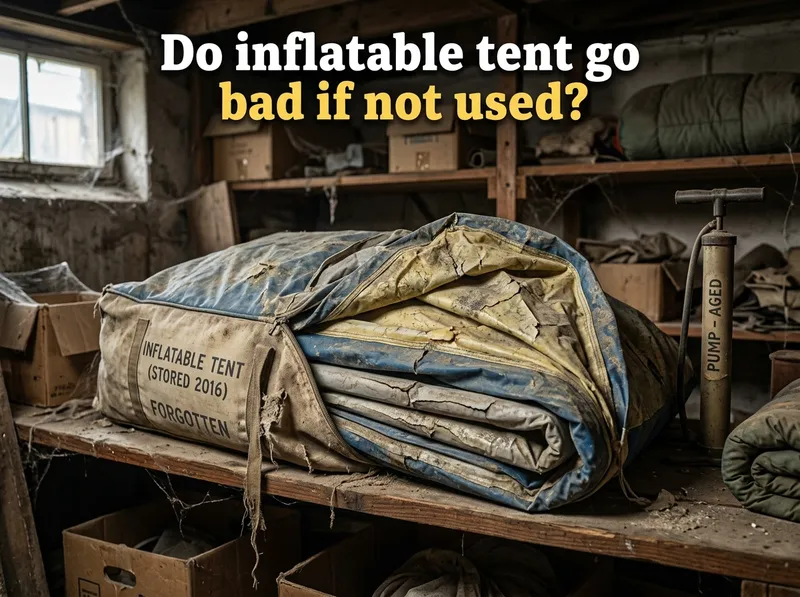
The environment in which your inflatable tent is stored plays a significant role in its overall durability. Keeping your tent in a damp, humid, or excessively hot environment can lead to rapid deterioration. UV rays can also wreak havoc on inflatable materials. If your tent is exposed to high levels of sunlight for extended periods, the fabric can become brittle and less resistant to wear.
Selecting a proper storage solution can mitigate these risks. Ensure your tent is stored in a cool, dry place, ideally inside a protective cover or bag that’s specifically designed for inflatable tents. This simple practice can extend its useful life, especially if you know it won’t be used for a while.
The Importance of Maintenance
Even when inflatable tents are not in use, a little maintenance goes a long way. Inspecting the tent periodically is key. Check for any signs of damage, like small punctures or tears, that might develop over time. If the material isn’t regularly cleaned and maintained, dirt, mold, or mildew can become problematic.
If you notice any compromises, address them promptly. Minor repairs, such as patching small holes or cleaning the surface, can protect your investment. Understanding maintenance can be as vital as the initial purchase itself, allowing you to maximize the lifespan of your inflatable tent.
The Impact of Inflation and Deflation
How often you inflate or deflate your tent can also be a contributing factor to its condition. Leaving an inflatable tent fully inflated for extended periods isn’t advisable. Frequent inflation and deflation can cause wear on the seams, which may lead to leaks.
Always deflate the tent when not in use, as this helps minimize unnecessary pressure on the seams and joints. Consider your event schedule. If you have multiple events in a row, evaluating the practicality of inflating and deflating on demand can lead to better decision-making regarding the lifecycle and durability of your tent.
Material Quality and Design
The type of materials used in the inflatable tent significantly impacts its longevity. Lower-quality fabrics tend to give out quicker, especially if they are exposed to harsh environmental conditions. Investing in a high-quality tent with reinforced seams and UV-resistant coatings often pays off in the long run.
Consider the tent’s intended use before making a purchase. Are you using it for outdoor events that will need to withstand strong winds? Or is it primarily for indoor events? The appropriate material choice can directly influence how long the tent will last, even when it’s not being used extensively.
Seasonal Use
For many businesses, inflatable tents are seasonal assets. If you anticipate not using the tent for several months, take extra precautions. Seasonal changes can affect materials differently; colder temperatures can make certain fabrics less flexible, while warmer seasons can promote mold growth.
Anticipating your usage frequency allows for better planning. If you typically use your inflatable tent only in summer, giving it a thorough cleaning and proper storage before the off-season can enhance its longevity. Planning wisely can align with your operational schedules, making it easier to keep your equipment in top condition.
Assessing Damage Post-Storage
When you prepare to use an inflatable tent that has been in storage, conducting a thorough check-up is essential. Even if you’ve taken care to store it properly, it’s still wise to look for any signs of deterioration. A simple visual inspection can reveal issues like faded areas due to UV exposure or spots that may have become brittle over time.
After checking, take a few extra minutes to inflate the tent in a controlled area. While it’s up, observe how it holds air. Listening for hissing sounds during inflation may indicate a leak. Testing it thoroughly before an event allows you to manage repairs and avoid last-minute scrambles.
Weighing Trade-offs: Purchase Vs. Rental
When deciding on whether to invest in an inflatable tent or consider temporary rentals, you’ll find various trade-offs. A purchased tent, while potentially more expensive upfront, can pay off over time with multiple events. On the other hand, renting an inflatable tent may alleviate concerns related to storage and maintenance, but it also means forgoing the advantages of having a dedicated, branded structure for your events.
If you operate in a highly competitive sector or have a distinctive brand to showcase, the long-term benefits of owning an inflatable tent often outweigh the short-term convenience of rentals. While rentals offer flexibility, having your own tent allows for easy customization tailored to your specific branding needs.
Customization Possibilities
An inflatable tent can often reflect your brand’s identity, thanks to customization options that allow for unique designs and logos. While it adds to your initial cost, having a tailored tent can lead to a better perception of your brand in the eyes of event attendees.
These custom features, whether they include specific colors or printed graphics, also add value in terms of marketing opportunities. If your tent is merely functional, it might not capture attention in a crowded event environment. Therefore, the emphasis on creating a visually appealing tent can enhance its utility as a marketing tool over time.
Addressing Common Misconceptions
The belief that inflatable tents have a short lifespan if they’re not used often is misleading. It’s not simply about frequence; it’s about treatment, storage, and material quality. If properly cared for, inflatable tents can last for years, even with limited use. Avoiding misconceptions can lead to better investment decisions.
Many clients worry they’ll have to replace or spend more on repairs over time if they don’t use their tents often enough. However, ensuring proper storage conditions and performing regular maintenance can keep them in prime condition. Gaining clarity about the realities can ultimately shape smarter purchasing strategies.
Planning for the Future
As you navigate the world of inflatable tents, understanding their longevity and factors that influence deterioration can prepare you for future events. By focusing on proper storage, regular maintenance, careful inflation and deflation practices, material considerations, and brand engagement, you can ensure that your inflatable tent remains a reliable asset for years to come.
Remember, investing time in planning and maintaining your inflatable tent yields dividends when it’s time to set up for your next event.