Choosing the Right Size for Your Custom Inflatable Tent
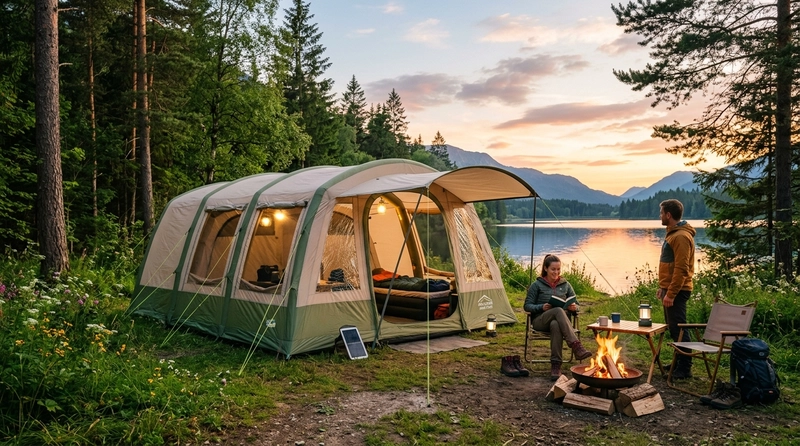
Sizing an inflatable tent isn’t as straightforward as just picking something that looks big enough. The space you’ll need depends heavily on the type of event, the number of people expected, and any additional equipment you’ll want inside the tent. For example, a setup for a product launch where customers walk in and out quickly requires less floor space than a networking event where guests mingle for longer.
Keep in mind, the footprint of the custom inflatable tent should allow for easy movement, safety regulations, and possibly even some furniture or display stands. If you’re working in confined spaces like city streets or small parks, you’ll want to factor in the area needed not just for the tent but for securing it with weights or stakes. A tent that’s too small can feel crowded, while one that’s too large can overwhelm an outdoor area and complicate transportation and setup.
Practicality also means considering ceiling height. A tent that’s too low can constrain the display materials you want to use or block ventilation. It’s worth discussing these specifics with your supplier early on so the size fits the actual use case rather than just an arbitrary expectation.

Picking the Right Colors for Visibility and Brand Consistency
Color choice for a custom inflatable tent does more than just reflect your brand’s identity—it impacts visibility, mood, and even temperature. Bright, bold colors tend to attract attention and work well in crowded event spaces. However, if your event is outdoors under strong sunlight, lighter colors might help reduce heat buildup inside.
Matching the precise shade of your logo is crucial if brand consistency is a must. Some inks and materials allow for nearly exact replication of Pantone colors, while others might come off slightly different depending on the fabric and printing process. It pays to request samples or test patches in different lighting conditions before making a final decision.
There’s also the option of combining multiple colors or using transparent sections for a modern look. These custom inflatable tents require more detailed work but can stand out uniquely among standard one-tone tents. Balance creativity with practicality though, because complex designs sometimes add to production time and costs.
Incorporating Your Logo: Size, Placement, and Printing Techniques
Deciding how to feature your logo on a custom inflatable tent can affect everything from brand visibility to the tent’s durability. Large logos are easier to spot and help attendees instantly recognize the brand, but too large can look overwhelming or distort when the tent inflates.
Most suppliers recommend keeping logos proportional to the tent size, often concentrating them on the front or top ridges where they’re most visible. Internal logos or smaller repeats work well for extended brand impression without crowding the main display.
Printing methods matter as much as design. Digital printing offers vibrant colors and detailed graphics but can be more sensitive to wear. Screen printing, in contrast, provides greater durability for rough handling but limits color complexity. Even embroidery or applique techniques are options but mostly in smaller decorative areas.
Sometimes a hybrid approach is best—using digital prints for the main logo and screen printing for repeated smaller branding elements elsewhere on the tent.
Understanding Materials and Maintenance for Longevity
A custom inflatable tent isn’t just about looks; the material you choose impacts how it holds up in the field. PVC-coated fabrics are pretty standard and offer good durability and weather resistance, but they can be heavier and less breathable. Polyester blends coated with polyurethane are lighter and easier to handle but might not last as long in harsh outdoor conditions.
Weather is a huge factor. If the tent is likely to be exposed to wind, rain, or direct sun for long periods, ask about UV resistance and waterproofing details. Some materials come with special coatings that slow fading or repel water, which can save you headaches on multi-day events.
Maintenance is often overlooked until the tent has taken a few blows. Stains, tears, and mold can set in without regular cleaning and proper storage. Consider how simple it will be to clean the fabric and whether replacement parts or patches are available from your supplier.
Logistics: Setup, Transport, and Storage Considerations
Even the best custom inflatable tent design can cause frustration if it’s difficult to transport or set up. Larger tents need suitable inflatables pumps and sometimes several people to handle inflation safely. Always check if your supplier includes setup instructions or if on-site assistance is available.
Weight comes into play here, too. Thicker materials and larger sizes increase bulk and might require bigger transport vehicles. Look for tents that come with carrying bags or cases for easier movement.
Storage conditions should not be an afterthought either. Inflatable tents kept in damp or unventilated spaces risk developing mildew or material degradation over time. A dry, cool environment with adequate ventilation will prolong the lifespan of your investment.
These logistical factors often affect your timeline and labor costs. Getting them right with the supplier in the planning stages will reduce headaches on event day.
Custom Features to Consider Beyond Size, Color, and Logo
Sometimes you need more than just the basics from your custom inflatable tent. Features like internal lighting, windows, multiple entrances, or additional anchor points can add layers of functionality.
Lighting systems integrated within the tent fabric can improve night visibility and ambiance but may require extra power management and setup time.
If your event demands airflow or natural light, options like mesh panels or clear vinyl windows come handy but may impact structural integrity or assembly complexity.
Multiple entrances make for better crowd flow, especially in busy environments, but they can reduce the amount of branding space available.
Discuss these extras early. They can influence design, price, and delivery schedules but can also differentiate your tent from the competition by offering a polished, professional presence.
Choosing a custom inflatable tent involves more decisions than it might seem at first glance. Balancing practical needs with brand-driven design will lead to a solution that works well on the ground, no matter where or how you use it.