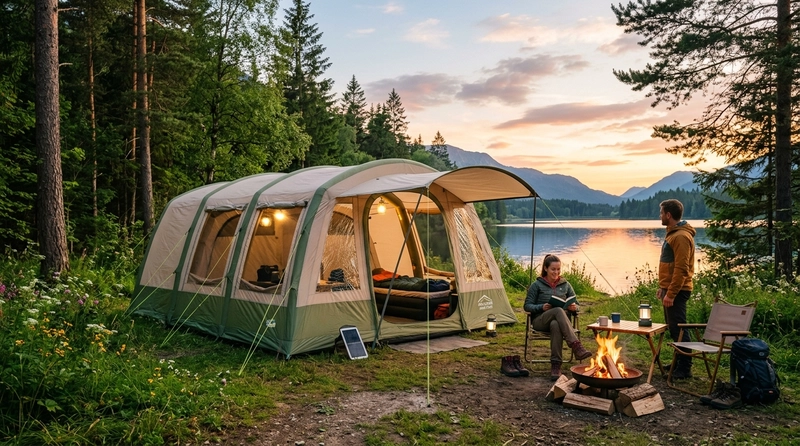
the Car Tent for Your Event Setup
When planning an outdoor event, having reliable shelter is non-negotiable — that’s where a car tent comes into play. But not all car tents are created equal. For starters, you’ll want to consider the size and shape of the vehicles involved. A tent that works for a compact car might be way too small if you’re kit-outting an SUV or a full-size pickup. On the flip side, oversizing the tent can make it cumbersome to transport and set up.
Look closely at the frame material too. Aluminum frames tend to be lighter and more portable, which helps when the venue is tricky to access. Steel frames, while heavier, often provide better stability in windy conditions. The balance is picking something sturdy enough for the conditions without making setup a chore.
Keep in mind ventilation. If your event’s in a hot or humid environment, a tent that traps heat will turn into a sauna, making it uncomfortable for attendees to gather under. Mesh side panels or windows can improve airflow but might reduce privacy or security. Finding that sweet spot depends largely on whether you prioritize comfort, rapid setup, or security.
Practical Setups and How a Car Tent Can Make a Difference
Event spaces can come in all shapes and terrains — parking lots, grassy fields, paved open areas. That’s where the versatility of a car tent shines. You can use it to protect vehicles from sun damage during multi-day events or create a shaded booth directly anchored to your vehicle. The benefit here is clear: a snug fit protects from rain blow-ins better than a generic canopy.
Remember, though, that attaching the tent to your vehicle requires a tent design that matches your car’s roof or frame lines. Tents with flexible “legs” that can lock in various positions work better if your fleet includes different models. Other tent models bolt or clamp onto the car, which demands exact match-ups and may cause downtime swapping.
Take note of how you plan to anchor your car tent, particularly on slippery surfaces. Stakes won’t help on concrete, and heavy sandbags add weight and load to the setup process. Weighted feet are a popular alternative, but choosing them correctly is key—too light, and your tent blows away; too heavy, and carrying parts becomes a slog.
Trade-Offs Between Portability and Durability
Car tents are often selected with transport in mind, especially for event professionals on the go. Lightweight models fit nicely in small trunks and can be assembled quickly by a couple of team members. That said, lightweight tends to mean thinner fabric and sometimes less robust framing. Those tents deliver decent weather protection but might not stand up well to extended exposure in adverse weather.
Tents with higher-quality materials, like UV-resistant polyester and powder-coated steel frames, excel in tough conditions. They resist fading and corrosion but pack more bulk and weight. This can mean needing a larger vehicle for transport or more manpower for setup and takedown.
Balancing these factors means being clear on event frequency, duration, and weather risks. If you’re setting up weekly in diverse locations, portability may trump ruggedness. If your events run over several days and face high winds or rain, sturdier options will save grief, even if they’re heavier.
Customization and Branding Opportunities with Car Tents
Branded car tents go beyond simple shelter. The tent fabric offers a prime space to showcase sponsors or your client’s logos, helping create a cohesive brand presence on-site. Since these tents often form the hub of activity around a vehicle, they naturally draw eyes and foot traffic.
That said, customizing a car tent requires some thought about printing methods and fabric compatibility. Not all tent fabrics take high-quality print jobs equally well; polyester tends to hold color better than vinyl, which might crack or peel over time. If a seasonal event demands multiple logo changes, look for easy-to-swap panels or covers.
Be aware of lead times and minimum order quantities for branding. Custom tents often mean longer wait times and higher upfront costs. Distributors might stock a base model and add patches or stickers for smaller runs, but be prepared for a slight hit to weatherproofing or lifespan with that method.
| ID | Product Model |
|---|---|
| 8662 | Inflatable Event Tents |
Handling Weather Challenges on the Field
Outdoor settings leave you vulnerable to unpredictable weather. Rain, wind, and sun all present challenges for car tents. The waterproof rating is crucial, commonly listed in millimeters (mm) as hydrostatic head. A 3000mm rating and above is a good sign for reliable rain resistance. However, this doesn’t guarantee no leaks; seams and zippers are often weak spots unless they’re taped or sealed.
Wind resistance depends not just on frame construction but also on how the tent is anchored and designed to vent. If you expect strong gusts, look for tents with integrated wind flaps or doors that snap securely. Avoid tents that are all solid sidewalls without ventilation—these are more likely to crumple or blow away.
Sun protection factors matter too. UV-coated fabrics prevent both fading and heat damage to cars and participants underneath. Over long durations, uncoated materials may degrade and lose their waterproofing after a season.
When events stretch into evening hours, integrated lighting options inside the car tent are a plus. LED strips or clip-on lamps provide illumination without the need for extra tents or power sources, streamlining your setup significantly.
Managing Storage and Maintenance Over Time
Event equipment spends a lot of time on the road and off the field. Proper storage and maintenance extend a car tent’s lifespan immensely. Keep the tent dry before packing it away—storing fabric damp encourages mold and mildew, which can weaken fibers and stain surfaces.
Frames should be checked for bends or rust regularly, especially if used in coastal or wet environments. Quick-clean solutions like wiping frames and fabric with mild soapy water prevent buildup of grime that could affect performance.
Invest in quality bags or cases with compartments for stakes, weights, and other accessories. Losing these small pieces during transit is more common than you’d think but can leave you stranded on event day.
Over the longer term, replacement parts like canopy fabric or poles may be needed. Finding a supplier who stocks spares or can custom-order parts gets around the issue of disposal — a critical note if you have recurring clients relying on consistent setups for brand presence.
—
Selecting a car tent involves balancing practical realities of vehicle sizes, venue features, weather conditions, and longevity needs. Being upfront about these concerns with your supplier up front avoids last-minute surprises during setup and throughout the event lifecycle. The right car tent can offer versatile shelter, branding opportunities, and smooth logistics across multiple event types.