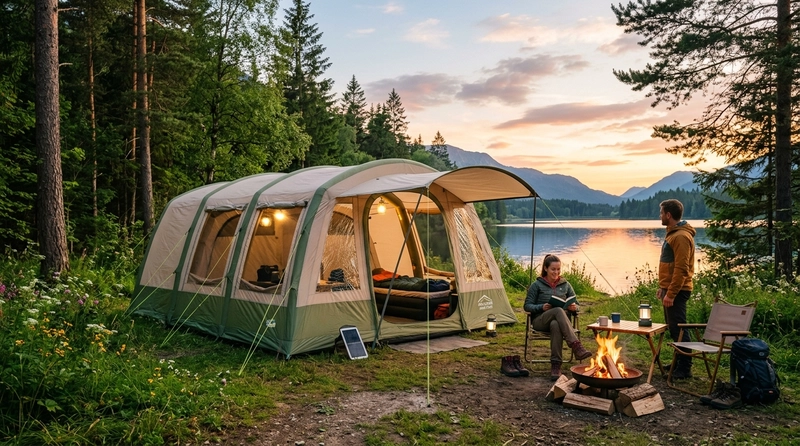
Car Tent on Roof for Varying Terrains
Picking a car tent on roof isn’t just about picking the flashiest or most feature-packed model. The landscape where your event or client’s activity takes place plays a huge role. You might be coordinating a promotional event deep in a forest clearing or organizing an outdoor product launch on a dusty parking lot. Each environment demands different considerations in terms of durability, setup, and compatibility.
Rooftop tents designed for rocky or uneven terrain offer stronger, reinforced frames and tougher fabric options. However, these tend to be heavier and might require more robust mounts. On the other hand, smoother urban areas can allow lighter, simpler rigs that are easier to transport and set up.
Remember, every added kilogram on your car’s roof impacts fuel consumption and handling, which matters when your teams are moving from one spot to another. Distributors and buyers should weigh the trade-offs between durability and ease of use depending on the likely locations. How much time will be spent on setup? What tools will the client have on hand? Thinking through these practical points will save headaches on event day.
Balancing Weight Restrictions and Vehicle Compatibility
One of the first hurdles you’ll face is ensuring the car tent on roof you pick fits the strength and design limits of the underlying vehicle. Roof racks have specific weight ratings—typically somewhere between 75 and 220 pounds for dynamic loads—and the combined weight of the tent plus any occupants must not exceed this.
Light trucks and utilitarian SUVs often have sturdier racks suited for heavier tents. Compact cars might need a lightweight option or special support bars. Some vehicles even have factory-installed roof rails, which can make installing a rooftop tent easier, but double-check the manufacturer’s specs to avoid voiding warranties or risking damage.
You’ll find some manufacturers customize mounting systems for popular car models to streamline installation, but this can complicate matters if your event fleet includes many makes or model years. Keeping an inventory of cross-compatible mounting kits makes your supply chain more flexible. Always test tents on actual fleet vehicles before committing to large orders, as differences in rack geometry or roof strength can create unexpected issues.
Deployment Time and Ease of Use on Busy Event Days
The true value of a car tent on roof emerges during setup and teardown. Event schedules rarely run smoothly: sudden weather shifts, tight windows, and last-minute location changes mean you want a product that’s quick and intuitive to deploy.
Tents with pop-up mechanisms and telescoping poles reduce setup time dramatically compared to those requiring dozens of clips or manual pole arrangements. But lighter, fast-setup tents might compromise on waterproofing or sturdiness in strong winds. So, balancing quick deployment against performance in a specific climate is essential.
For busy teams, simplicity trumps bells and whistles. If your clients signal they usually have small crews, or non-technical staff on the ground, pick models that minimize tools and methods during setup. Sometimes, the best tent is one that can be operated solo, without needing a second pair of hands.
Maintenance also plays a role here. Models with easily cleaned fabrics and replaceable parts extend lifespan and reduce downtime between events. This isn’t the kind of equipment you want held up by missing parts or lengthy repair cycles.
| Index | Product Model |
|---|---|
| 4632 | advertising inflatable tent |
Storage Considerations for Seasonal Use and Transport
When event equipment sits in a warehouse for months at a time, or moves frequently by road or air, storage size, weight, and packaging make a difference. Car tents on roof often require large volume storage, and how they pack down may vary widely.
Generally, box-style tents pack tighter than soft-shell hardshell models, but the latter tend to be easier and quicker to deploy. For distributors servicing a variety of clients across regions, ensuring the tent system compacts to a manageable size can reduce shipping costs and handling effort.
Another factor is whether the tent is modular—some systems allow the cover, mattress, or frames to be packed separately, easing replacement or scaling for different event sizes. In contrast, integrated units can reduce setup errors but limit customization.
Think about seasonal storage, too. Fabric tents are vulnerable to mold and mildew if left damp or stored improperly during off-season. It’s smart to advise clients to use waterproof covers and ventilated storage or consider materials like ripstop nylon that dry quickly and resist damage.
Weatherproofing and Ventilation Trade-Offs
Outdoor events expose gear to rain, wind, heat, and insect invasions, so choosing a car tent on roof with thoughtful weatherproofing matters. Heavier-coated fabrics like PVC or polyester blends with PU coating tend to hold up well in rain and humid conditions but can trap heat inside.
Clients setting up in hot, sunny areas sometimes prefer tents with mesh panels or vents to promote airflow, even if it risks slight leaks in a downpour. For longer-term setups or colder climates, prioritizing insulation and wind resistance can trump ventilation.
Zippers and seams are often where tents fail during harsh weather. Reinforced, UV-resistant coatings and water-sealed seams extend the usable life of the product. Yet, these features typically add weight and cost.
Purchasing decisions have many nuances: a marketing event scheduled for a rainy coastal city might lean towards waterproofing and wind stability, while a festival booth in a dry desert location values ventilation and sun protection most. Offering a range of options aligned with typical event environments prepares a planner for anything.
Managing Client Expectations Around Roof Load and Vehicle Handling
Beyond pure product specs, your clients will appreciate guidance on how adding a car tent on roof changes how their vehicle handles in everyday use. A rooftop tent raises the vehicle’s center of gravity, potentially affecting stability on curves or in crosswinds.
Acceleration and braking distances will increase due to the added weight, which can be critical if their teams drive in urban traffic or mountainous areas. Fuel economy will also dip somewhat—depending on the size and design of the tent.
Training or informational materials explaining safe driving practices with rooftop tents installed are a helpful add-on that event suppliers should consider providing. Helping clients anticipate these changes reduces liability and contributes to smoother event logistics.
For distributors and buyers, knowing these practical limits means you can better advise customers on selecting the most suitable tents and reinforcing safe use practices. It’s not enough to pick a stylish tent—you want equipment that integrates sensibly into your client’s workflows and transportation.
—
Picking a car tent on roof means balancing multiple factors: terrain, vehicle compatibility, usability, storage, weatherproofing, and safety. Understanding the trade-offs involved in each decision ensures event planners and distributors get gear that functions well in the real world, not just looks good on paper.