Size for a Car Tent Garage
When planning to invest in a car tent garage, size is one of the most important factors to focus on. You might think a standard garage size will fit any vehicle, but the dimensions vary widely depending on vehicle type and use. For example, a tent designed for a compact car won’t comfortably shelter a full-sized pickup or an SUV.
It’s also crucial to consider if you want extra space for storing tools, working under the vehicle, or even fitting multiple vehicles. Some event planners or equipment distributors overlook this and end up with a tent that’s too small, leading to cramped conditions or inadequate protection from the elements.
Measuring the vehicle length, width, and height with any roof racks or accessories installed will yield a clearer picture of what size tent garage you really need. Additionally, check the clearance height: some tents drop down into a peaked roof, which may not accommodate taller vehicles without modification.
Material Choices and Weather Resistance
Event sites and outdoor storage locations come with unpredictable weather. While you want a car tent garage that offers protection from rain, sun, and wind, not all materials hold up equally well. Polyethylene tarps are budget-friendly and lightweight, but they tend to degrade faster under UV exposure and might not repel water consistently after extended use.
PVC-coated fabrics, on the other hand, provide better durability and water resistance but add weight and cost. Consider your client’s typical usage cycles—how often will they set the tent up and take it down? Will it be left up semi-permanently or only during events? Frequent folds in heavy PVC might lead to creasing or cracks over time.
If the tent is primarily for short-term event protection, lighter materials suffice. For long-term vehicle storage, investing in stronger fabrics and reinforced seams will minimize maintenance and replacement expenses.
Setup Complexity vs. Portability
A car tent garage should balance being sturdy with ease of setup. Professional buyers often wrestle with the decision between frame complexity and transport convenience. A heavier-duty steel frame provides more wind resistance, keeping the tent secure during stormy conditions but may require more labor or multiple people to assemble.
Conversely, tents with pop-up or fiberglass poles are easier to handle and trailer but may not be as robust under sustained adverse weather, making them less reliable for long stays. Think about the event scenarios: will staff have the time and manpower to construct a heavier setup? Or is quick deployment with fewer hands the priority?
Transport size is also a factor. Large frame components take up space in delivery vehicles and might increase shipping costs or complicate logistics for distributors. Clients who move their tents frequently between locations often appreciate options that pack down compactly, even if that comes at the expense of ultimate durability.
| Ref | Product Model |
|---|---|
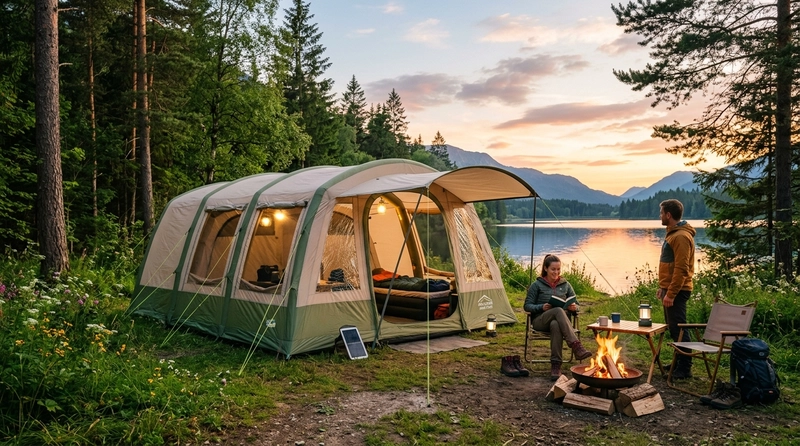
| 9942 | inflatable tent |
Ventilation and Lighting Considerations
It’s easy to overlook air circulation and lighting when purchasing a car tent garage, but they directly impact usability. A completely enclosed, non-ventilated tent can become excessively hot inside, especially on warmer days, creating uncomfortable environments for staff or causing damage to temperature-sensitive equipment stored alongside vehicles.
Mesh panels, adjustable windows, or roof vents allow airflow without sacrificing protection. These features also help reduce condensation build-up on vehicle surfaces, which is crucial if the tent covers classic cars or vehicles stored for longer periods.
Lighting is another practical must-have. Many tents come with clear window panels that let in natural light, but if events extend into dusk or happen indoors, you’ll want integrated or optional lighting solutions. Strategically placed LED strips or battery-powered lamps can improve visibility inside the garage, facilitating inspections or maintenance tasks.
Securing Your Car Tent Garage on Various Surfaces
It’s one thing to set up a car tent garage on firm ground, but many outdoor events or storage areas don’t offer ideal terrain. Gravel, concrete, grass, and even asphalt all require different anchoring tactics to keep the tent stable.
Standard stakes work well on grass or dirt, but they won’t hold on hard surfaces. Some distributors provide weighted bags or water barrels to serve as anchors; these add stability but increase transport weight and setup time. For concrete or asphalt spaces, bolt-down kits might be an option, but they require permission and additional tools.
Knowing where your client plans to deploy the tent ahead of time allows you to recommend the correct anchoring system. If a tent shifts in the wind or storms, it’s not just a nuisance—it risks damage or injury. This trade-off between portability and security is essential for thoughtful purchasing decisions.
Longevity and Maintenance Tips for Car Tent Garages
A car tent garage is an investment, and understanding the maintenance required can stretch its lifespan significantly. Regular cleaning to remove dirt and debris preserves waterproof coatings. After storms, check for any tears or fabric stress points because small damage quickly escalates under outdoor conditions.
Frames benefit from periodic inspection for rust, especially if outdoor exposure is frequent. Applying rust inhibitors or carrying out minor repairs prevents costly replacements. Replacing removable tarps or canopy sheets is often straightforward if the frame remains intact.
Encouraging clients to store tents properly when not in use—keeping them dry and packed away from direct sunlight—will also reduce material degradation. Education on maintenance might seem basic, but it ensures the equipment lives up to its expected service life, saving money over multiple event cycles.
Maintaining this balance between initial cost, durability, and upkeep demands experience, making guidance from seasoned suppliers invaluable in the decision process.